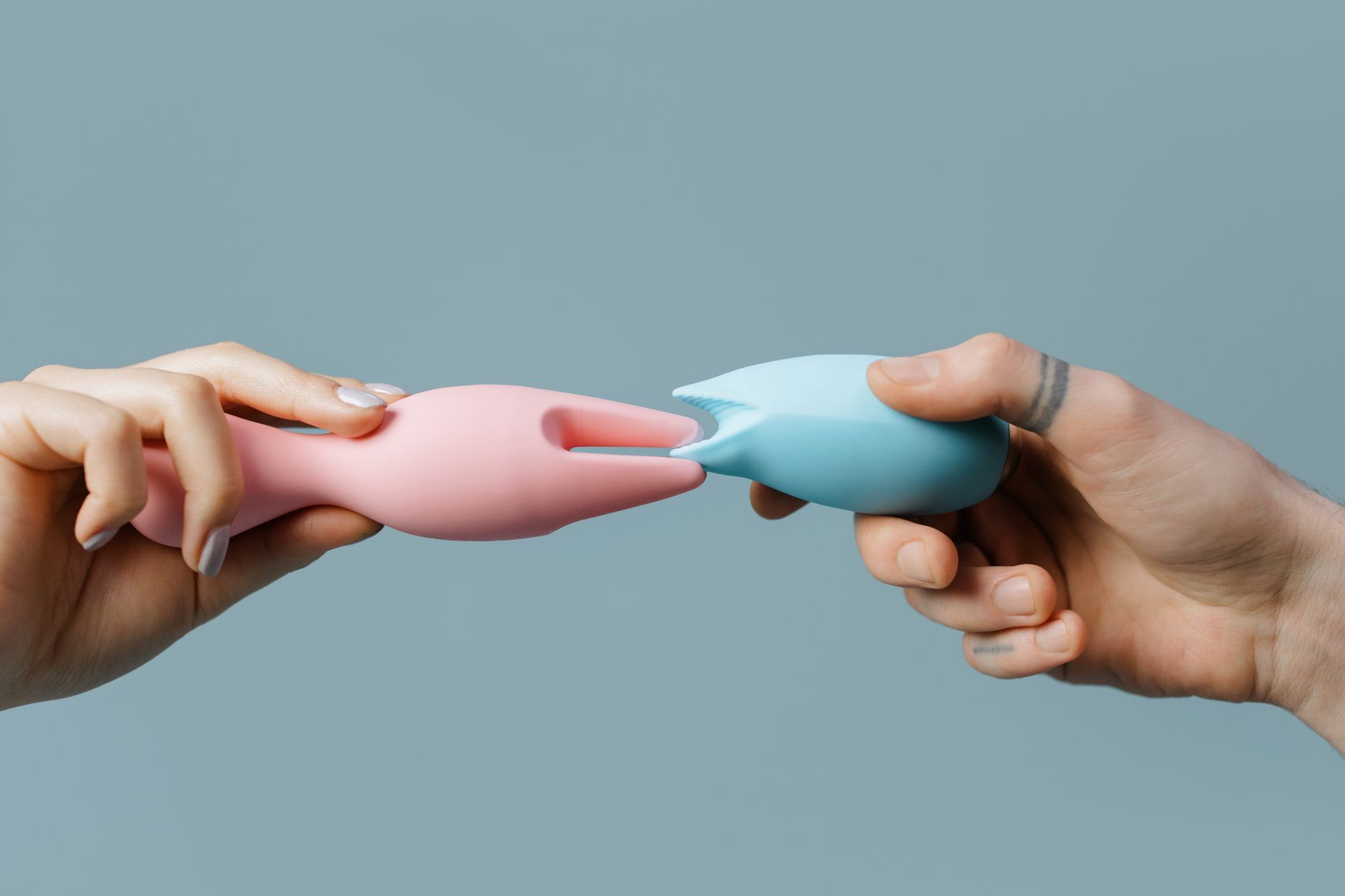
Here's what nobody tells you about vibrator numbness
You're not broken. Your nerves aren't damaged. What's happening is totally preventable, and it has almost nothing to do with the toy itself.
Clitoral tissue is densely packed with nerve endings. Bombard those nerves with constant, high-intensity stimulation, and your nervous system does exactly what it's designed to do: it adapts. It stops firing. That's desensitization, and it's reversible. But most people don't know how to reverse it, so they assume vibrators are the problem and stop using them entirely. Then they lose the pleasure they were building.
Why lemon clitoral vibrators actually protect against this
Not all vibrators are built the same way. Traditional bullet vibrators use rapid percussion to generate sensation. They're relentless. Lemon vibrators, especially air-suction models, work differently. They use gentle suction cycles that mimic the sensation of oral pleasure without the mechanical hammering. This matters because suction stimulates nerves through pressure change, not repetitive impact. Your tissue doesn't adapt to pressure change the same way it does to percussion.
That difference is the entire game.
When you use a lemon clitoral vibrator correctly, you're building sensation gradually across weeks, not maxing out your nerve response in session one. The suction action compresses and releases, creating micro-cycles of stimulation and recovery. Your nervous system doesn't perceive this as "do nothing" because it's constant input. But it also doesn't fatigue the way high-frequency vibration does.
The exact protocol to build deeper sensation
Here's what I recommend to clients who want to protect their pleasure and actually deepen it over time.
Week one: Light patterns only. Most lemon vibrators have multiple intensity settings. Start at pattern one or two. Use it for 10 to 15 minutes, three times a week. No exceptions, no "I'll just try level five." Your job is to let your tissue recognize the sensation without overloading it. This feels like you're being underpowered, but you're actually priming your nervous system. You're teaching it that this is a source of reliable pleasure.
Week two: Same pattern, longer duration. Bump the time to 20 to 25 minutes. Keep the intensity where it is. Your nervous system is now distinguishing between pressure phases. You're starting to feel texture. Some people notice a deepening of sensation without adding any power.
Week three: Add variety within the same intensity. Most lemon toys have pulse patterns built in, not just steady hum. Try a pulsing mode at the same intensity level. Alternate between steady and pulse across different sessions. This trains your nervous system to respond to different types of input. You avoid the adaptation trap because you're varying the signal.
Week four and beyond: Slow intensity progression. Only now do you move to pattern three or higher. But here's the key: move up only once you feel like the current level isn't producing the sensation it did two weeks ago. That's your signal to progress. If it still feels good, stay there. You're not in a race.
Following this schedule, most people report deeper, more intense orgasms by week 4 or 5. And crucially, they stay that way because you're not overloading the system.
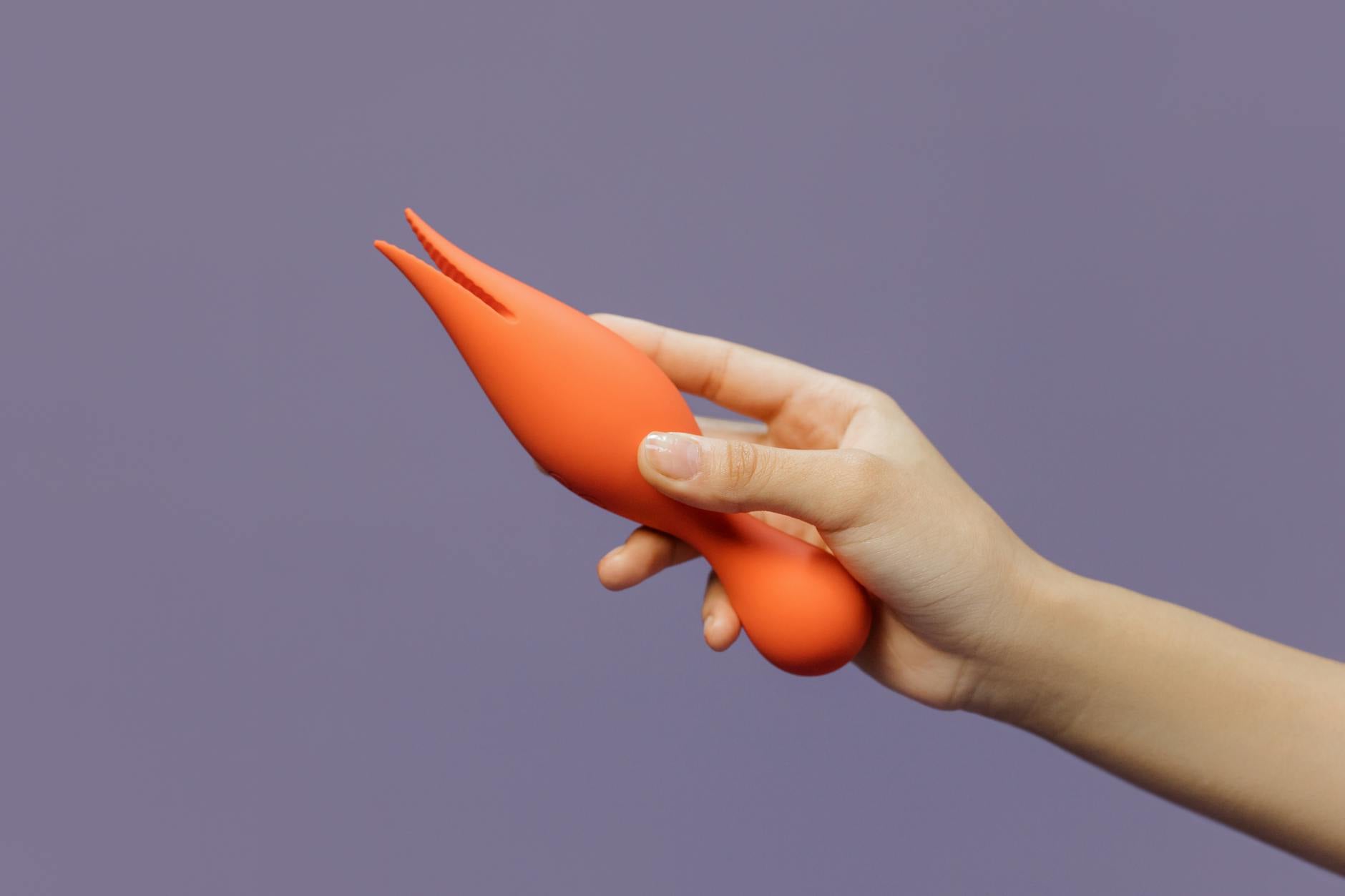
Photo by cottonbro studio on Pexels
The mistake that kills sensation: switching toys mid-protocol
I see this all the time. Someone starts with their lemon vibrator, gets bored by week two because it feels "too gentle," and switches to a stronger toy. Then they wonder why they feel numb.
You've just reset the entire process. Your nervous system has been learning a specific input. Switching toys introduces a completely different signal. It's like learning piano and switching to guitar halfway through. You're starting over, and now your tissue has been exposed to two different stimulation patterns without deep adaptation to either one.
The commitment matters. Stick with one toy for six weeks minimum. Let your nervous system fully adapt to that input signal. Then, if you want to try something new, you have a baseline. You know what deep sensation feels like with this toy. You can make informed choices about alternatives.
When you need to reset if you've already lost sensation
If you're already experiencing numbness, don't panic. You can rebuild this.
Stop using the vibrator entirely for two weeks. Your nervous system needs a reset. Use your hand only, light touch, slow rhythm, five to ten minutes. This reawakens the nerve endings without overstimulation. After two weeks, go back to your lemon vibrator at pattern one, following the four-week protocol I outlined above. You're starting from a lower baseline, but you rebuild faster the second time because your nervous system remembers the response pattern.
Many people find that they actually achieve stronger sensation after a reset than they did initially because they now understand what not to do.
The role of lubrication in deeper sensation
Here's something that confuses a lot of people: more lubrication doesn't always mean better sensation. Too much reduces the pressure differential that lemon toys need to work effectively.
You want enough lube to protect tissue and allow smooth movement, but not so much that the suction feels diluted. A water-based lube, applied sparingly, is ideal. If you find yourself using a huge amount, you're probably compensating for going too fast or too intense too soon.
The lube is there to protect, not to amplify. Sensation comes from the pressure change inside the toy and against the tissue. Adding lube is about comfort and safety, not about creating deeper pleasure.
How emotional state affects what your body can feel
Here's the part that separates lasting pleasure from temporary fixes. Your mind shapes what your body can perceive. If you're anxious about numbness, rushing because you're worried you're running out of time, or performing pleasure instead of feeling it, your nervous system reads all that. Stress hormones actually reduce tissue sensitivity and make adaptation faster.
This is why the four-week protocol is deliberately slow. You're not just building sensation. You're training your mind to trust the process. You're learning to be present instead of goal-focused. That mental shift is doing as much work as the toy is.
When clients tell me they've rebuilt deep sensation, they also tell me they're less anxious about sex, more connected to their partner (if they have one), and more curious about their own body. That's not coincidence. The physiological work and the emotional work are entangled.
Using lemon clitoral vibrators with a partner while protecting sensation
If you're using a lemon vibrator with a partner, the protocol becomes slightly different because you're adding another variable: someone else's timing and expectations.
Talk about the plan ahead of time. Tell your partner you're building sensation gradually and that this matters more than intensity. Set a goal together. "Let's use the low patterns for three weeks and see what happens." Most partners are relieved to have permission to go slow. They're often worried they're not enough, so a framework that says "we're deliberately pacing this" feels good to both of you.
Use the toy during foreplay, not as the main event initially. This reduces performance pressure. It also lets your partner see what's happening, which often makes them curious instead of threatened. If they're skeptical about toys, check out our guide on navigating that conversation.
How this connects to sensation changes after medication or menopause
Some people experience reduced sensation after starting birth control, antidepressants, or during menopause. This is different from numbness from overuse, but the recovery protocol is similar. Start low, progress slowly, and prioritize pressure-based stimulation (like lemon suction toys) over percussion-based toys (like bullets or wands).
If you've experienced sensation changes due to medication or hormones, you might also find help in our piece on reconnecting with sensation after hormonal shifts. The underlying principle is the same: patience, consistency, and allowing your nervous system to relearn pleasure.
The three-month marker: what changes
Around the twelve-week mark, something shifts. People report that sensation feels integrated into their body instead of localized to the toy. Orgasms feel fuller. They also require less intensity and less time to build. Your nervous system has genuinely adapted to the input in a healthy way.
At this point, you can experiment with higher patterns if you want to. You can vary toys. You can play with your partner. You have a baseline of deep, resilient sensation. You won't lose it by varying stimulation because it's rooted in your nervous system's memory, not in constant bombardment.
This is sustainable pleasure. Not the kind that requires you to keep escalating to chase the feeling, but the kind that stays reliable and deepens over time.
FAQ: Deeper sensation and lemon vibrators
Why do I feel numb after using my lemon vibrator, even though I follow the intensity gradually?
You might be using it too often. Even at low intensity, daily use can cause adaptation. Drop to three times a week, or take a full week off if numbness persists. Also check your lubrication level. Too much lube can dilute the pressure differential that creates sensation. Use just enough to feel comfortable, not a generous amount.
Can I use two different lemon vibrators on a rotation to prevent numbness?
Not initially. For the first six weeks, stick with one toy so your nervous system learns a specific signal deeply. After that, rotation is fine. But switching too early restarts the adaptation process and often causes the numbness you're trying to avoid.
How long does it take to rebuild sensation if I've already experienced numbness?
About four to six weeks using the reset protocol I described. Stop for two weeks to let your nerves recover, then restart at the lowest setting with consistency. You'll rebuild faster than the initial process because your nervous system has muscle memory.
Is numbness permanent, or will it come back if I use the vibrator the wrong way again?
It's not permanent. But yes, you can cause it again by returning to high intensity too quickly or using the vibrator daily. Think of it like training. Consistent, moderate effort builds capability. Overtraining causes burnout. Same nervous system, same rules.
Do air-suction lemon vibrators really cause less numbness than traditional vibrators?
Yes, because suction works through pressure change rather than rapid percussion. Your nervous system adapts to repetitive impact faster than to pressure variation. That said, even lemon toys can cause numbness if used incorrectly. Intensity and duration matter more than the mechanism.
Should I use my lemon vibrator every day to build sensation faster?
No. More frequency doesn't equal faster progress. In fact, it often does the opposite. Your nervous system needs recovery time between sessions to consolidate the pleasure response. Three to four times a week at low-to-moderate intensity builds deeper sensation than daily use at any intensity.
The bottom line
Deeper clitoral sensation isn't about finding the right vibrator or the right technique. It's about understanding how your nervous system learns pleasure, then working with that biology instead of against it. Lemon clitoral vibrators, especially air-suction models, are excellent tools for this because they stimulate without hammering. But the tool is only half the equation.
The other half is patience, consistency, and permission to move slowly. Weeks matter. Variety within the same intensity matters. Recovery time matters. Your mind matters. When you honor all of that, sensation doesn't just return. It deepens in ways you probably didn't know were possible.
Start low. Stay there for a while. Progress gradually. Notice what changes. That's not boring. That's the entire practice.
If you're navigating other shifts in your pleasure or sensation, whether from stress, medication, or life changes, we've covered how to reconnect with pleasure after loss of desire. The framework there complements this one. Same underlying principle: show up consistently, adjust for your body, and trust the process.