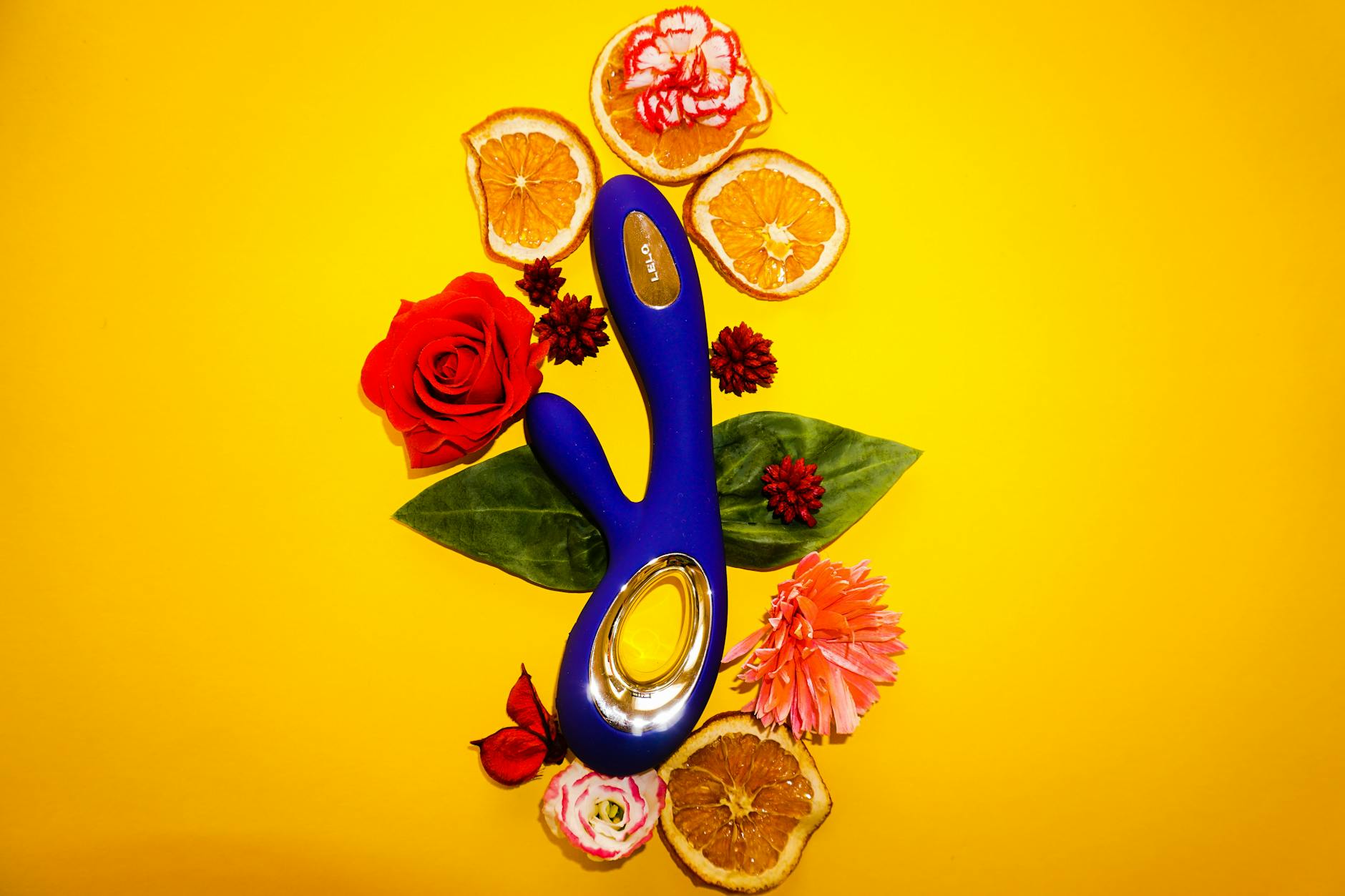
How to Use Lemon Vibrators When Lubrication Changes After Perimenopause
Let's be real: perimenopause sneaks up on your lubrication before it touches anything else. One month your body shows up exactly as expected. The next, arousal takes longer, feels lighter, dries faster. You're not broken. Your hormones are just rewriting the script, and nobody handed you the revised pages.
The good news is that lemon vibrators and other clitoral vibrators work differently than friction-based toys, which means they adapt to this shift beautifully. You don't need to abandon pleasure. You need to understand what's happening, adjust your tools, and keep going.
What perimenopause actually does to lubrication
Estrogen doesn't plummet overnight in perimenopause the way it does after menopause. Instead, it spikes and crashes erratically. During those drops, your vaginal tissues thin slightly, blood flow to the genital area becomes less consistent, and natural lubrication production dips. Some months feel normal. Others feel like your body's lubrication dial got turned down three notches.
This isn't permanent, and it doesn't mean your arousal has vanished. It means your arousal is expressing itself differently. The clitoral nerve endings are still there. The capacity for pleasure is intact. The moisture just needs external backup.
Most people respond to this by reaching for lube (smart) or stopping altogether (a loss). I want to introduce a third option: repositioning how you use lemon vibrators and clitoral vibrators to work with reduced lubrication rather than against it.
Why lemon vibrators handle dryness better than other toys
A lemon clitoral vibrator works through suction and air-pulse technology, not friction. That matters enormously here. Friction-based vibrators can feel uncomfortable or even irritating when natural lubrication is lower because they require constant gliding movement. The suction action of a device like the Lem doesn't. It creates a seal and uses gentle pressure changes, which means it works effectively whether you've got full lubrication or need to supplement.
The suction pattern also pulls blood flow to the clitoral tissue, which paradoxically helps your body's own lubrication system. More blood flow = more natural moisture production, even in perimenopause. So using a lemon vibrator can actually improve the situation over time, not just mask it temporarily.
Plus, the design of lemon clitoral vibrators means you're getting intense, focused stimulation without needing excessive friction. That's the opposite of what dries you out faster.
The lube conversation that actually matters
Here's what I tell clients: water-based lube isn't a failure. It's a tool. And in perimenopause, it's not optional.
But not all lubes work equally well with clitoral vibrators. Silicone-based lubes feel richer and last longer, but they can degrade silicone toys over time. If your lemon vibrator is silicone (and most are), you need water-based lube only. That might feel thinner initially, but modern formulas are vastly better than the sticky stuff from ten years ago.
Here's the practical sequence: apply water-based lube directly to the suction cup of your lemon clitoral vibrator, not to your body. This gives you precise control and keeps the seal intact. Let it sit for ten seconds. Then apply.
If you're using a lemon vibrator with a partner, apply lube to the external area as well for comfort during any other touching or entry. The key is consistency, not a specific brand. Try a few and stick with one.
The arousal timeline shift
In perimenopause, arousal takes longer to build. Not impossible, just different. Where you might have gotten fully turned on in five minutes at 28, you're now looking at 15 to 20 minutes of buildup by 45.
This is worth stating separately from lubrication because it's psychological too. Your brain still needs the same attentional work, the same fantasy or connection, the same permission to sink in. Lube doesn't fix that part. Patience does.
Budget time. If you're using a lemon vibrator solo, give yourself 20 minutes of foreplay before even picking it up. Read something that turns you on. Move your body. Touch your breasts, your thighs, your neck. Build sensation deliberately. Your clitoral vibrator will be exponentially more effective when you've actually warmed up.
Settings and intensity when sensation feels muted
Many people report that their clitoral sensitivity changes in perimenopause. Some feel everything more intensely. Others notice a muted quality to sensation. If you're in the muted camp, the temptation is to jump straight to the highest intensity setting on your lemon vibrator.
Don't. Start at pattern 1 or 2 and stay there for five to ten minutes. Let your tissue respond and wake up. Then move up. You'll often find that starting low actually gets you to stronger sensation faster because you're building arousal gradually instead of shocking your system.
If certain patterns on your clitoral vibrator feel completely flat, rotate through a few. A lemon vibrator typically has 8 to 10 distinct patterns. What feels nothing on setting 3 might light up on setting 5. You're not being picky. You're troubleshooting.
Using lemon vibrators with a partner when things feel different
This is the conversation that most couples skip and then resent later. If you're in a partnered relationship and your lubrication or arousal is shifting, tell your partner directly. Not in the moment, not during sex. Over coffee, before clothes come off.
"My body's changing how it lubes and gets turned on. I want to use lube from now on, and I want to spend more time warming up before we do anything. This isn't about you. This is about making sure I feel good."
That conversation then opens a door: the lemon clitoral vibrator door. Some partners will be genuinely curious. Others will feel threatened (which is a different conversation, and you might reference how to use lemon vibrators when your partner is skeptical about toys). Either way, you've stated a boundary and an intention.
If you're using a clitoral vibrator during partnered sex, lube becomes even more essential because you're managing both your comfort and whatever's happening internally. Water-based lube on your lemon vibrator and the surrounding area prevents any dragging sensation and keeps you in the pleasure zone instead of managing discomfort.
The long game: rebuilding your baseline
Here's something they don't talk about much: using a lemon vibrator consistently during perimenopause can actually help regulate your arousal response over time. Not by changing your hormones (we can't), but by creating a habit of pleasure that your brain learns to anticipate.
This is the relationship coach in me talking. Pleasure is partly neurological. If you're using your clitoral vibrator regularly, your brain builds a stronger connection between stimulation and response. Your body remembers what good sensation feels like. That memory works in your favor.
The people I work with who maintain an active solo practice during perimenopause report smoother transitions into and through menopause. They know their bodies. They know what works. They haven't handed all their pleasure-seeking authority over to hormones or circumstance.
You don't have to use a lemon vibrator every day. But using one three or four times a week, consistently, shifts something. Your nervous system relaxes. Your arousal response steadies. It's not magic. It's neuroplasticity.
When to bring in professional support
If dryness is severe enough that it causes pain during any sexual activity, talk to a healthcare provider. Not because you're broken, but because there are topical treatments (low-dose vaginal estrogen creams) that can help without systemic side effects. A gynecologist trained in perimenopause can often resolve the physical part in weeks.
If arousal feels completely absent rather than just slower, that's worth exploring too. Sometimes perimenopause dryness is just dryness. Sometimes it's a symptom of something else: depression, relationship disconnection, or a medical issue that deserves attention.
Your lemon clitoral vibrator isn't a replacement for medical care. It's a complement to it. The best version of this transition uses both.
The real thing nobody tells you
Perimenopausal dryness is temporary. You will not stay here forever. Some people move through perimenopause in a few years. Others take longer. But the extreme dryness, the radical shifts, the sense that your body's been hijacked—that lightens.
Meanwhile, you get to keep having pleasure. You get to use lemon vibrators and other tools that work with your body instead of demanding it perform the way it used to. That's not settling. That's pragmatism. That's self-respect.
Common questions about perimenopause and clitoral vibrators
Is it normal for arousal to feel slower in perimenopause?
Completely normal. Fluctuating estrogen changes blood flow to your genital tissue, which can slow arousal buildup. It's not a reflection on your partner, your desire, or your capacity for pleasure. It's a timing shift. Budget more time for foreplay, use lube, and give yourself grace. Most people find that with those adjustments, pleasure returns fully.
Can I use a lemon vibrator if I'm using hormone replacement therapy?
Yes. HRT and clitoral vibrators work independently of each other. Some people find that HRT helps with lubrication naturally, which then means they need less external lube with their lemon vibrator. Others find they still need both. It's not a situation where you use one or the other. You use what helps.
Should I use more lube with a lemon vibrator than with other toys?
Not necessarily more, but consistent application matters. Because a lemon clitoral vibrator works through suction, the seal needs to be maintained. A light coat of water-based lube creates that seal better than dry tissue in perimenopause. So you're not using more overall, but you're being more deliberate about placement. Apply to the suction cup, wait a moment for it to set, then use.
If I use a lemon vibrator more often, will my natural lubrication improve?
Often, yes. Regular stimulation increases blood flow to genital tissue, which can improve the body's own lubrication production. But this takes weeks, not days. Think of it as a retraining rather than an instant fix. The lube is your bridge while that's happening.
What if my lemon vibrator feels too intense when I'm dry?
Start at the lowest setting and stay there. Intensity is subjective, and perimenopause sensitivity can swing wildly. Your clitoral vibrator has multiple patterns and speeds for a reason. Find the one that feels good, not the strongest one. Once arousal builds and your body's producing more natural lubrication, you can experiment with other settings.
Can I use my lemon vibrator during partnered sex if I'm in perimenopause?
Absolutely. Some couples find that integrating a clitoral vibrator into their routine takes pressure off partner-based stimulation and gives both people a chance to enjoy the experience more. Use water-based lube, communicate about placement, and treat it as something you're exploring together, not a sign that something's missing.
Moving forward
Lubrication changes in perimenopause aren't an ending. They're a redirected beginning. Your body isn't closing a door on pleasure. It's asking you to adapt, to use better tools, to spend time warming up, to stay curious. Lemon vibrators meet that moment perfectly because they work with your physiology, not against it.
The goal isn't to get back to how things were. It's to build something that works now. That's actually a gift, if you're willing to open it.
If you're navigating perimenopause and want to explore how to use your lemon clitoral vibrator most effectively for your body, or if you're trying to reconnect with pleasure during this transition, we're here. Get in touch and let's figure out what works best for you.