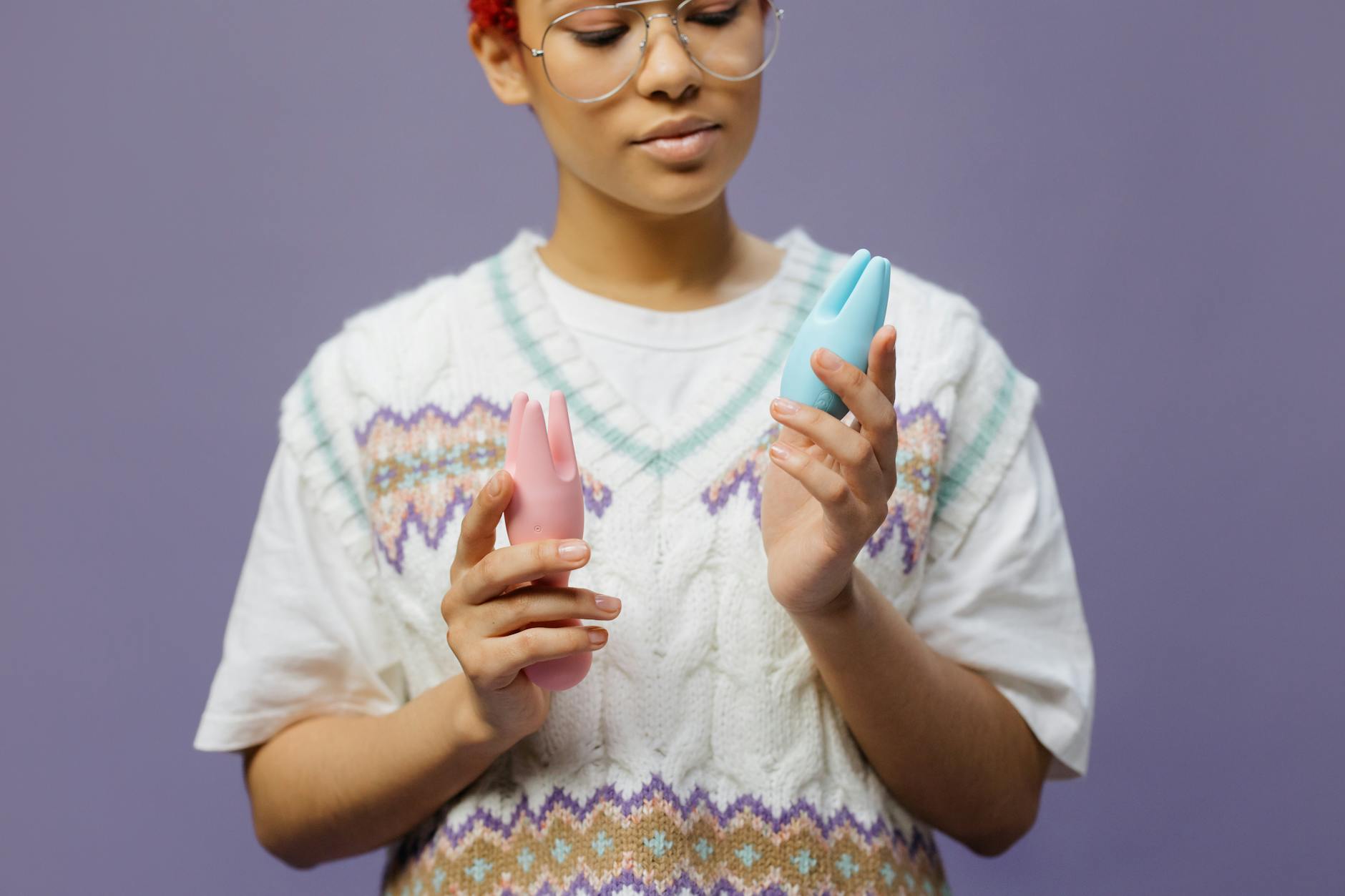
Here's the thing: when natural lubrication decreases, most standard vibrators become either too intense or less effective. They rely on friction, which on drier tissue can feel abrasive or numb things out. That's where the design of lemon clitoral vibrators changes everything.
Reduced natural lubrication happens for lots of reasons. Hormonal shifts. Birth control changes. Stress. Certain medications. Aging. None of those reasons make your body wrong. But they do mean that the tools designed for higher-lubrication scenarios might not serve you anymore. Understanding why requires knowing how different vibration styles actually work on your body.
How friction-based vibrators struggle with less lubrication
Most traditional vibrators rely on rapid back-and-forth or up-and-down motion. The speed creates stimulation through physical contact, and that contact works best when there's moisture to reduce surface tension. When natural lubrication is lower, friction increases. Instead of gliding, the vibrator can feel scratchy or create the sensation of numbness from repeated contact in the same spot.
You might notice that you need to use water-based lubricant, which many people do, but there's still something off about the sensation. Even with added lube, friction-based vibrators keep you dependent on external moisture to feel good. The minute the lubricant warms up or absorbs, you're back to friction.
That's not a flaw in you. It's a mismatch between the tool and the environment.
Why suction-based stimulation works differently
Suction operates on a completely different principle. Instead of moving back and forth across tissue, it creates a gentle seal and pulse pattern that draws blood flow and nerve endings toward the source of stimulation. The mechanism doesn't require the same level of glide or surface lubrication.
Think of it like the difference between rubbing your arm fast and then gently cupping it. One creates heat through friction. The other creates a different kind of sensation through pressure and suction. When tissue has less natural moisture, that pressure-based approach feels more responsive because you're not fighting friction. Your nerve endings respond directly to the suction, not to the speed of movement across dry surface.
Lemon sexual toys specifically use this suction design at a clitoral level, which means the stimulation targets one of the most nerve-dense areas of your body with precision and without relying on lubrication.
The nerve response difference
Your clitoris has roughly 8,000 nerve endings concentrated in a small area. When tissue is well-lubricated, traditional vibrators stimulate some of those nerves through rapid surface contact. When tissue is drier, those same vibrators overstimulate the most accessible nerve endings while leaving deeper sensations harder to access.
Suction-based lemon clitoral vibrators change the activation pattern. The gentle pulse and draw creates a more distributed nerve response across that dense cluster. Instead of a surface-level buzz, you feel a deeper, more integrated stimulation. Many people describe it as more targeted, more intense in a good way, and easier to orgasm from.
This is partly why people with less natural lubrication often report that lemon vibrators feel revelatory. It's not that the toy is objectively better. It's that the design finally matches your body's current state.
Lubrication and comfort during use
Here's a practical reality: you might need some lubricant with a suction-based lemon vibrator, but it's a different relationship than with friction tools. With friction vibrators, the lubricant is essential for comfort. With suction toys, it's often optional and mainly helps the seal feel smoother, not urgent.
If you do add lubricant, water-based works great because it doesn't break down the silicone material of most lemon clitoral vibrators. Silicone lubes feel richer but can degrade silicone toys over time. Even a small amount of water-based lube means you can use the toy longer without the seal drying out, but honestly, many people find they don't need it at all once they hit a rhythm.
The freedom from absolute lubrication dependency changes the dynamic. You're not chasing moisture. You're responding to sensation.
Positioning and pressure when lubrication is lower
With traditional vibrators and lower lubrication, positioning can become tricky. You need the right angle to avoid skin-on-skin friction in uncomfortable spots. That often means holding the toy in one specific way, which limits exploration and gets fatiguing.
Suction-based lemon adult toys are more forgiving with positioning because the seal and suction do the work, not the angle of approach. You can adjust position, apply different amounts of pressure, and the sensation stays responsive. That flexibility matters more when you're not relying on glide to make everything feel okay.
Many people with reduced lubrication find that they can explore more freely with lemon vibrators because they're less worried about creating friction discomfort. That psychological shift alone changes how orgasms feel.
The hormonal piece
If your reduced lubrication is tied to hormonal changes like perimenopause or menopause, the science goes deeper. Estrogen affects tissue thickness and elasticity, not just moisture. Lower estrogen means thinner tissue, which means both less lubrication and less cushioning under the skin.
Friction-based vibrators can feel harsh on thinner tissue. Suction-based tools press gently and create stimulation without the mechanical pressure that friction requires. That difference is especially important if you're also dealing with tissue sensitivity or minor discomfort that you've learned to work around.
For How to Use Lemon Vibrators When Lubrication Changes After Perimenopause, this science is the foundation. Tissue state drives tool fit.
Sensation and the role of expectation
Here's something worth naming: when you've been using friction-based vibrators and reduced lubrication makes them uncomfortable, it's easy to think your body is the problem. You might pull back from pleasure entirely because friction toys no longer work and you assume that means you can't enjoy vibration anymore.
Switch to a suction-based design and suddenly pleasure is back. That's not your body changing again. That's your body finally being matched with appropriate stimulation. The sensation gap is real and it's worth trusting.
For many people, this is the moment they realize they never lost capacity for pleasure. They just lost alignment between their body and their tools.
When to add water-based lubricant anyway
Even with suction toys, some situations benefit from lubricant. If you're using the toy for extended periods, a light coating helps the seal stay consistent. If you're exploring blended stimulation (clitoral and penetrative together), added lubrication everywhere makes transitions smoother. If you're using the toy with a partner and comfort is the priority, lubricant takes pressure off.
But the key difference is that with lemon clitoral vibrators, lubricant becomes optional rather than essential. You're choosing it for comfort or longevity, not for the vibrator to actually function. That shift in autonomy matters.
Building back into sensation
If reduced lubrication has made you hesitant about pleasure or vibrators in general, starting with a lemon vibrator offers a different entry point. The gentler, pressure-based approach can help you rebuild confidence in your body's capacity for pleasure without the frustration of friction-based tools not working.
Many people find that when they reconnect with pleasure after loss of desire, switching to a tool designed for their current reality is the turning point. Not because the old tool was bad. Because it wasn't designed for this version of your body.
Your pleasure is worth that specificity.
Common questions about lemon vibrators and lubrication
Do lemon vibrators work without any lubricant at all?
Yes, most people find they work well with just the natural moisture present. The seal creates its own kind of glide. Some people prefer adding a touch of water-based lube, but it's genuinely optional, not a requirement.
If I have reduced lubrication, should I avoid friction vibrators entirely?
Not necessarily avoid, but they might need more added lubricant to feel good, and even then, the sensation might feel different than you want. A suction-based lemon clitoral vibrator often offers a more satisfying alternative for your current body state.
Can medication affect how a lemon vibrator feels?
Yes. Some medications (antihistamines, certain antidepressants, hormonal birth control) reduce natural lubrication. When that happens, you're often using the vibrator on drier tissue. How to Use Lemon Vibrators When Orgasms Feel Different After Medication Changes digs into that specifically.
Is using a lemon vibrator with reduced lubrication less safe?
No. If anything, suction-based toys are gentler on tissue because they don't rely on friction. Just check in with comfort. If something hurts (not just feels intense, but actually hurts), stop and reassess.
Will lemon vibrators help if my lubrication dropped after stopping hormonal birth control?
Often, yes. Hormonal changes after stopping birth control can mean less natural lubrication in the short term. A lemon vibrator's suction design works well during that adjustment period. How to Reawaken Sensation After Stopping Birth Control covers this transition specifically.
Can I use a lemon vibrator if I have a yeast infection or other inflammation?
If your tissues are already sensitive from infection or inflammation, adding any vibrator probably isn't the call right now. Let things settle first. Once you're clear, lemon vibrators are often a good re-entry because they're gentler than friction-based options.
The thing about reduced natural lubrication is that it's usually temporary or manageable once you find the right approach. A lemon clitoral vibrator is often that approach because the design finally honors what your body actually needs right now. That's not a compromise. That's alignment.