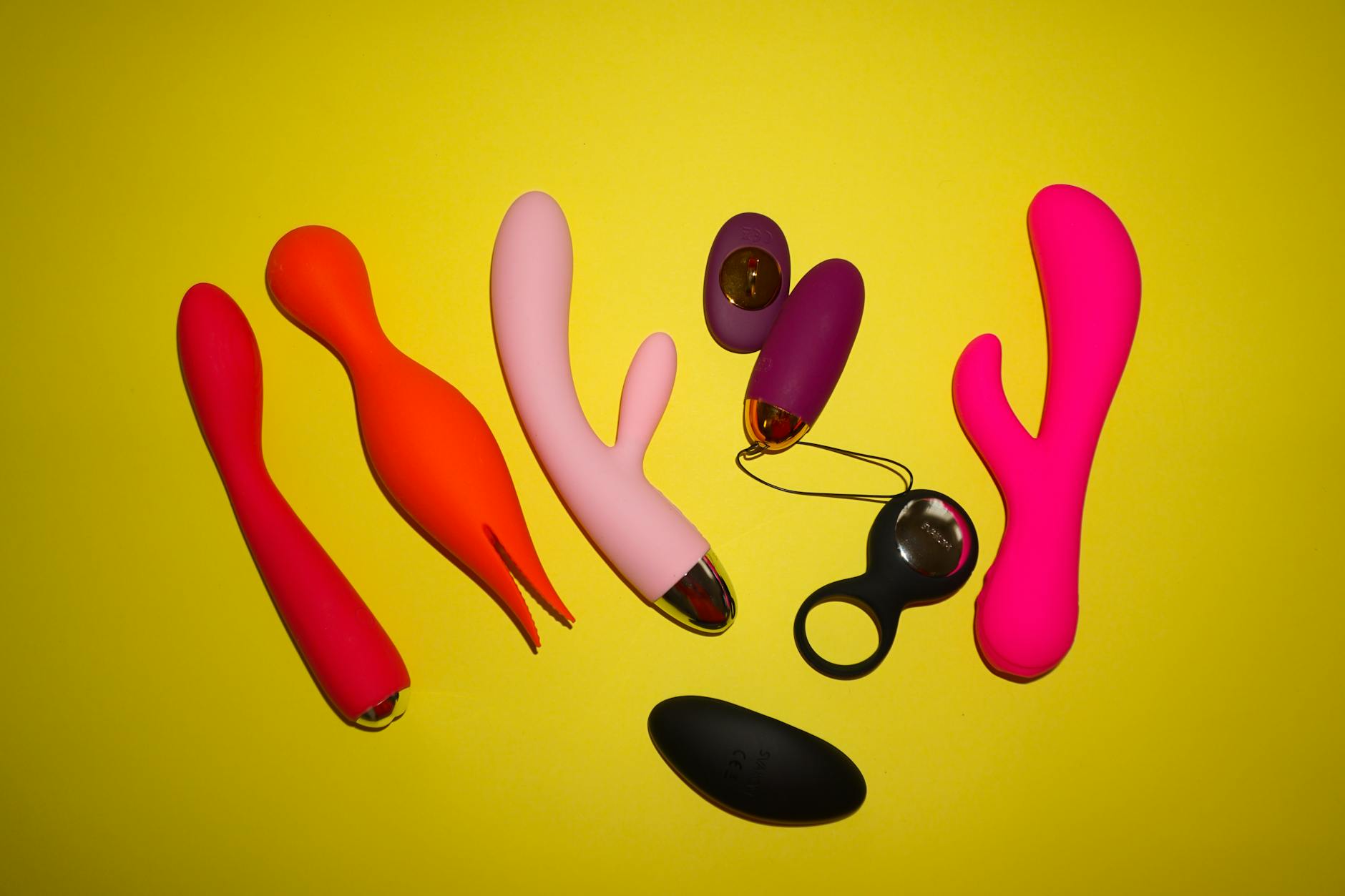
Let's start with what nobody tells you
Endometriosis and pelvic pain don't just hurt. They rewire your relationship to pleasure itself. Your body becomes a source of dread instead of joy. The nervous system learns that sensation equals danger. And then everyone around you acts confused when you don't want to "just try to relax," as if relaxation is a switch you can flip.
Here's the thing: rebuilding pleasure after pelvic pain is absolutely possible. But it requires patience, the right approach, and tools that work with your body instead of against it. Lemon clitoral vibrators, with their gentler suction-based stimulation, can be part of that recovery if you know how to use them.
Why pelvic pain changes everything
Endometriosis and chronic pelvic pain create what I call "intimacy trauma." Your brain has learned to brace when you approach arousal because arousal historically came with pain. The pelvic floor tightens. The nervous system activates its protective response. Blood actually leaves the clitoral area as your body defaults to fight-or-flight.
This isn't psychological weakness. This is physiology. Your tissues have been inflamed, sometimes for years. Your nervous system has legitimate reasons to guard against sensation.
The lemon vibrator isn't a magic cure. But it offers something valuable: clitoral stimulation that doesn't require deep penetration or intense friction, which are often the triggers for people with endometriosis or pelvic pain.
The nervous system reset: timing and pressure
Three things matter before you even touch a vibrator.
1. Pain-free windows. Endometriosis pain often cycles. Some days are manageable, some are not. Start exploring pleasure during the days when your baseline pain is lowest, not during flares. This teaches your nervous system that arousal can coexist with comfort. This is foundational.
2. Pressure starting at zero. The lemon vibrator's suction-based design is ideal because you control the intensity. Start with the gentlest setting, even if it feels too light. The goal is not to orgasm. The goal is to teach your body that vibration equals safety. Spend weeks, if needed, just getting used to the sensation without chasing climax.
3. Breath and awareness. Before turning anything on, lie down in a comfortable position and do a 2-minute check-in. Where is your pelvic floor right now? Is it relaxed or braced? Can you breathe into it? Most people with pelvic pain have learned to hold tension constantly. If you notice tension, spend a few minutes on deep breathing before introducing stimulation.
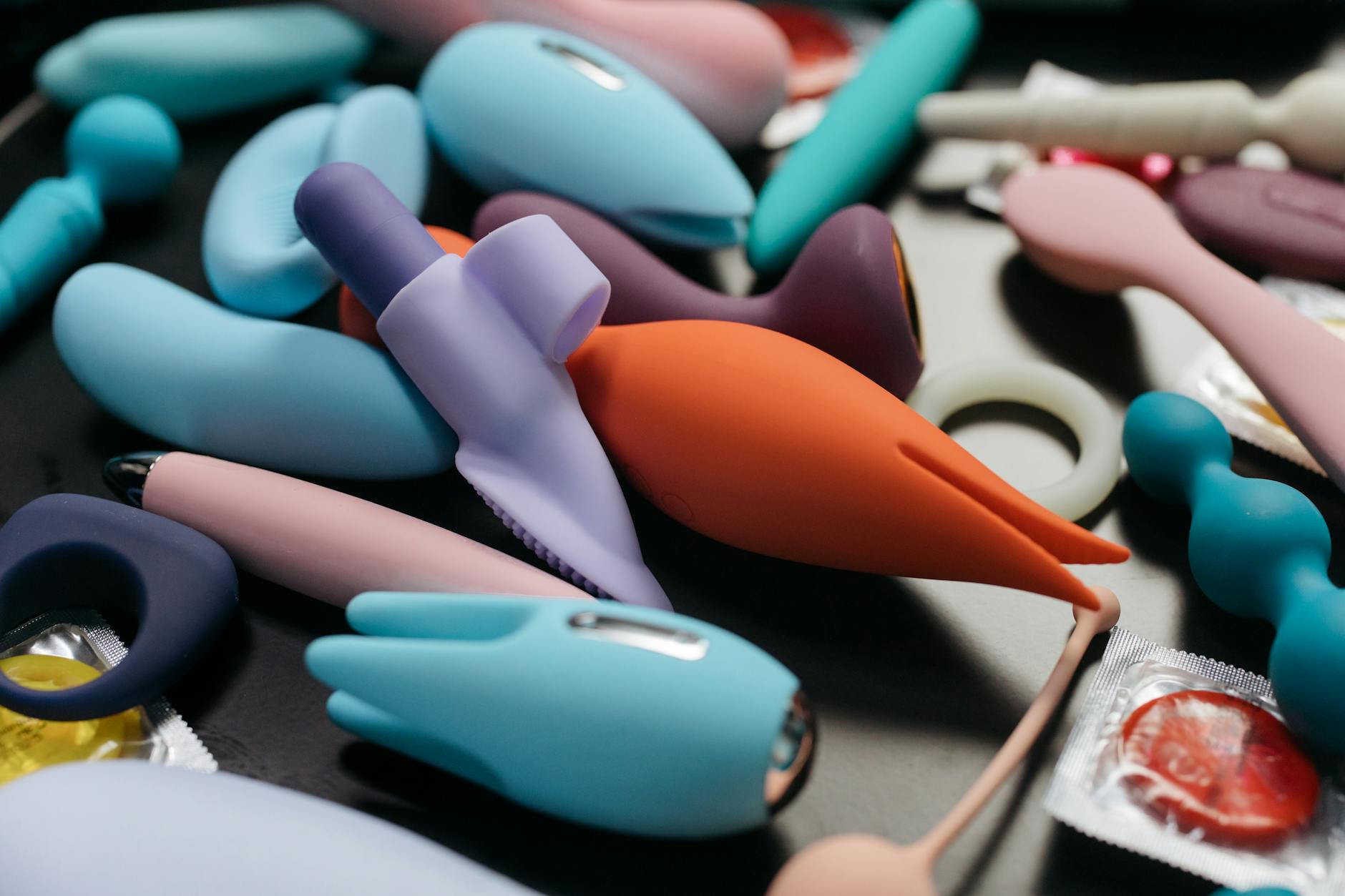
Photo by cottonbro studio on Pexels
Building the safety map: what works, what doesn't
Every person with pelvic pain has a different trigger map. For some, deep pressure inside feels wrong. For others, any sensation on the external genitals brings a protective flinch. You need to map your own.
Start with external clitoral stimulation only. The lemon vibrator is a clitoral tool first. Use it on the lowest setting and focus on the outer clitoral area, above the clitoris itself. Some people find direct clitoral contact too intense early in recovery. That's normal. The suction motion of a lemon vibrator can provide stimulation without direct friction, which is why it works for bodies coming out of pain.
Notice what happens. Do you feel arousal, or just numbness? Do your muscles tighten, or stay soft? Does your mind go quiet, or do you start catastrophizing? There are no wrong answers here. You're just gathering information. This awareness is half the healing.
If you feel pain, stop immediately. This isn't about pushing through. Pain is information. It means your nervous system isn't ready for that type of stimulation yet. That's fine. Back off and try again in a few days with even lighter pressure.
The role of lubrication and comfort
Endometriosis often causes tissue dryness alongside pain. Even during arousal, lubrication may not come easily. Water-based lubricant becomes non-negotiable. It's not a failure sign. It's a tool that removes friction and makes pleasure possible.
Apply lube generously to the area before you start. Use a brand designed for sensitive skin (avoid anything with warming sensations or extra stimulants unless you specifically want that). The goal is to remove the variable of friction so you're only dealing with vibration and pressure.
Beyond lubrication, consider the environment. Pelvic pain often comes with sensory sensitivity. A quiet room, low light, and comfortable temperature matter. You're asking your nervous system to gradually shift from "protect" to "explore." Minimize other stimuli competing for attention.
When to involve a partner (and when not to)
If you're in a relationship, this phase can be lonely if your partner doesn't understand. You might feel pressure to perform pleasure you don't yet feel. Or you might feel shame about your body's limitations. How to use lemon vibrators when your partner is skeptical about toys can help with communication.
For now: solo exploration is your starting point. You need to rebuild trust with your own body without an audience or expectation. Once you've spent a few weeks mapping what feels safe, you can invite your partner in to hold space while you explore. That's different from them driving the experience.
When you do include a partner, their job is not to stimulate you. Their job is to be present, responsive, and patient. If pleasure happens, great. If it doesn't, that's not a failure. The rebuilding itself is the win.
Tracking what shifts
Keep a simple log. Not for obsessive reasons, but because recovery is slow and you'll lose track of progress. After each session, note:
Did your nervous system feel safer or more guarded? Was arousal possible at any point? Did your pelvic floor relax or stay tight? How did your mood shift afterward?
Over weeks, you'll see patterns. Maybe arousal starts to feel possible on days 10-15 of your cycle. Maybe you can tolerate vibration for 5 minutes before tension returns. Maybe external stimulation feels okay but anything near the pelvic floor brings a flinch. These patterns are your body speaking. Listen.
Progress doesn't look like: "I had an orgasm." Progress looks like: "I felt safe for 10 minutes," or "My body didn't brace this time," or "I felt something other than numbness."
The difference between healing and pushing
There's a dangerous line between patience and resignation. If months pass with no shift toward comfort, if pain during arousal is constant, if you feel increasingly hopeless about pleasure, that's not a sign you need to try harder. That's a sign you need professional support.
A pelvic floor physical therapist trained in pain recovery can assess whether there's structural tension contributing to your pain. They can teach you nervous system retraining. A sex therapist can help you process the intimacy trauma that pelvic pain creates. Your OB-GYN should know what you're experiencing and can rule out conditions that need different intervention.
Lemon clitoral vibrators are tools within a recovery process, not replacements for that process.
The long view
Recovery from pelvic pain is not linear. You'll have weeks where arousal feels possible and weeks where it vanishes again. That's not failure. That's healing in a body that's been protecting itself for good reason.
Your pleasure matters. Your body's signals matter. And rebuilding intimacy with yourself, at whatever pace feels safe, is one of the most important things you can do for your long-term wellbeing and your relationships. The lemon vibrator is just a tool. You're the one doing the healing.
FAQ
Can I use a lemon vibrator if I'm in an active endometriosis flare?
No. During acute pain flares, your nervous system is in protective mode. Adding vibration during a flare can reinforce the pain-pleasure association. Wait until your baseline pain drops. A flare is the time to rest, use heating pads, and practice gentle breathing. The lemon vibrator is for days when your body feels more comfortable.
Will using a vibrator make my pelvic pain worse long-term?
Not if you start slowly and respect your body's signals. The issue is pushing too hard too fast and retraumatizing the nervous system. Gentle, gradual exposure to pleasure during low-pain windows actually helps retrain your nervous system to associate sensation with safety rather than danger. The key is respecting your body's pace.
How long before I can feel pleasure again?
This varies widely. Some people feel shifts within weeks. Others take months. Your recovery timeline depends on the severity of your condition, how long you've experienced pain, your nervous system sensitivity, and whether you're getting professional support alongside toy use. There's no standard timeline, so resist comparing your progress to anyone else's.
What if I feel numbness instead of pleasure?
Numbness is common after chronic pelvic pain. Your body has shut down sensation as a protective mechanism. This is not permanent. With consistent, gentle exposure to stimulation during safe moments, sensation can return. Patience matters more than intensity. Keep going, just very slowly.
Should I tell my doctor I'm using a vibrator?
Yes, especially if you're seeing a pelvic floor physical therapist or sex therapist. They need the full picture of what you're doing to support your recovery. They might have specific guidance based on your condition. Your doctor's job is to support your health and wellbeing, including sexual wellbeing. If they respond judgmentally, that's a sign you might need a different provider.
Can my partner help me explore with a lemon vibrator if I have pelvic pain?
Yes, but your partner's role is different from usual. They're not the one controlling sensation. You are. They might hold the vibrator while you guide, or they might simply be present in the room. The emphasis is on you staying in control of pressure, intensity, and when to stop. Your comfort and safety come before any form of pleasure.