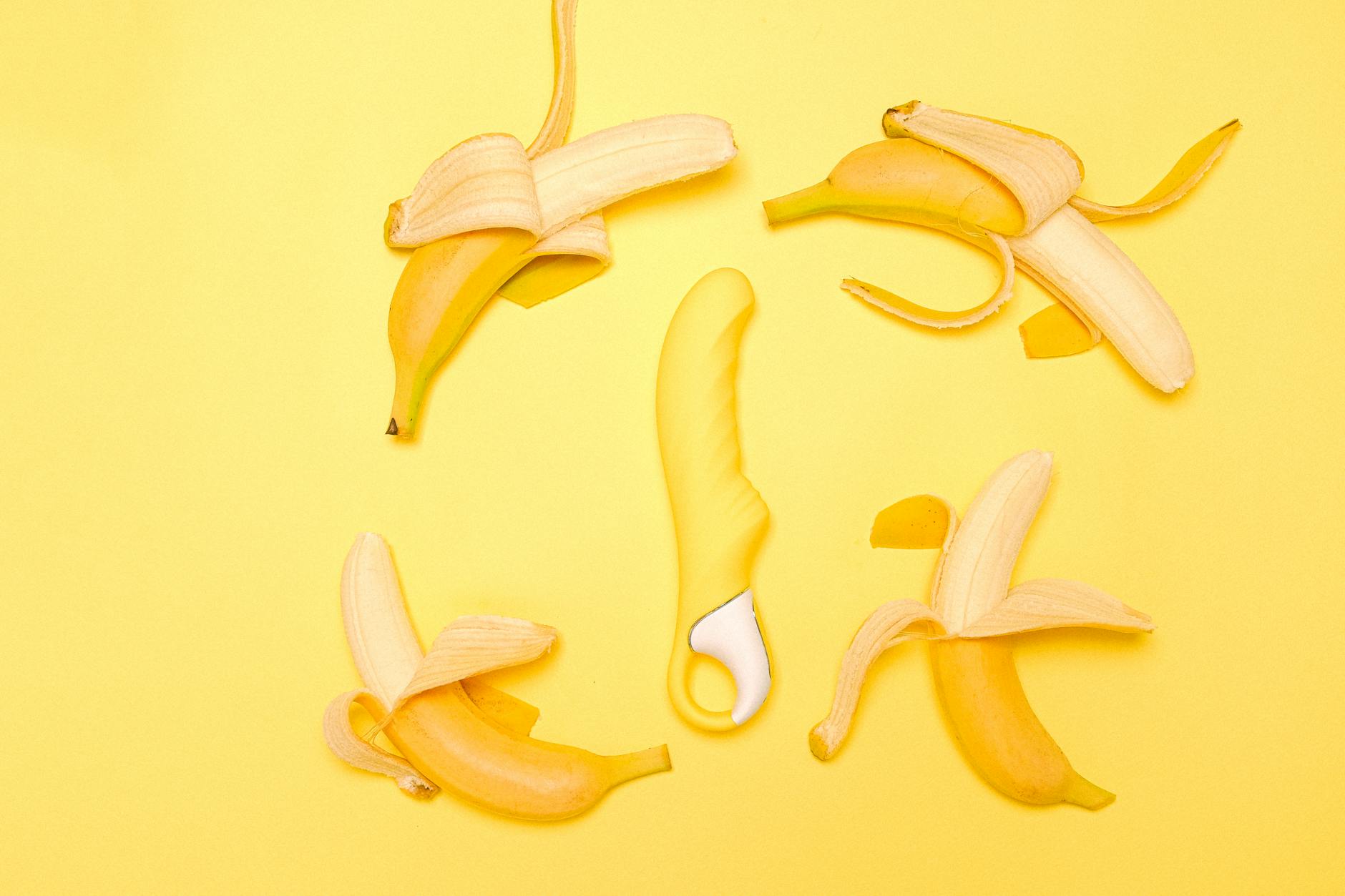
When sex hurts, everything changes
Painful sex rewires your nervous system. Your body learns to brace, to anticipate hurt, to shut down before sensation even arrives. What started as a physical problem becomes a psychological one too. The fear of pain can matter more than the pain itself.
But here's the thing. Pain during intercourse doesn't mean pleasure is off the table. It means you need a different entry point, one that bypasses the patterns your body has learned.
What happens to pleasure when sex becomes painful
Dyspareunia is the clinical term, but the lived experience is simpler. During penetrative sex, certain movements trigger sharp or burning sensations. Over time, your body learns this is a threat space. Your pelvic floor tightens preemptively. You stop relaxing. Arousal becomes harder because your nervous system is in protective mode, not receptive mode.
The tricky part is that this protective response is completely rational. Your body isn't broken. It's doing exactly what it's supposed to do. Which means that rebuilding pleasure isn't about forcing yourself to be brave. It's about creating safety first.
Clitoral stimulation, particularly with a tool like a lemon vibrator, works because it completely sidesteps the tissue that's been causing pain. You're not addressing the original problem medically (that's a conversation with your doctor). You're creating a new neural pathway for pleasure that doesn't activate the same protective response.
Why clitoral vibrators feel different after pain
When you've experienced painful sex, the thought of touching your own body can feel loaded. There's anticipatory anxiety. You might expect to feel pain even when you're alone, even when nothing invasive is happening.
A clitoral vibrator like the Lem works in three specific ways that matter for recovery.
First, the sensation is different. Suction and gentle pulsing feel nothing like penetration. Your nervous system recognizes this as distinct. You're not re-activating the same fear response because the stimulus is genuinely different.
Second, you have complete control. No one else is involved. No worrying about pacing, about whether your partner is uncomfortable, about proving you're "normal." Solo play after painful sex is about reclaiming agency over your own body.
Third, the intensity builds gradually. Starting at low patterns and working up, rather than jumping into full stimulation, teaches your nervous system that sensation can build safely. No surprises. No sudden intensity that makes your body clench.
The nervous system piece most people skip
When painful sex happens repeatedly, your vaginal muscles and pelvic floor become hypervigilant. They're always half-clenched, waiting for hurt. This tightness itself can become a source of pain, creating a cycle that's hard to break.
Clitoral vibrators help because they're not asking your pelvic floor to relax all at once. You're introducing pleasure through a completely different area of your body. This gives your nervous system a chance to learn that sensation can also mean safety.
Many of my clients report that the first time they experience full-body relaxation after months of pain is during solo play with a clitoral vibrator. Their nervous system finally gets proof that pleasure and safety can exist together again.
That shift is the foundation for everything that comes next, whether that's partnered sex or just reconnecting with your own body.
Building a recovery ritual that works
After painful sex, you need structure. Random attempts to get back to where you were feel chaotic and likely to trigger old fears. A ritual feels intentional.
Here's what I recommend to clients rebuilding pleasure:
Start with a time block. Twenty to thirty minutes when you won't be interrupted and you don't have anywhere to be after. No rushing.
Begin with sensation that has nothing to do with your genitals. Warm water, soft fabrics, your own hands on your arms and legs. Spend five minutes remembering what it feels like for your body to enjoy touch without any goal.
Move to your clitoral vibrator. Start at the lowest setting. Spend at least ten minutes at that level. The point isn't orgasm. The point is learning that low-intensity pleasure exists and that it feels good.
If you want to increase intensity, do it slowly. Move to pattern two only when pattern one feels comfortable. No pressure to climax. This is about rebuilding a sense of safety in your own body.
Repeat this weekly, or more if you want. The repetition teaches your nervous system that this is a safe space. Pleasure that's predictable and controlled becomes easier to access.
When to bring a partner back in
If you have a partner, they need to understand that your recovery timeline is your timeline, not a shared project. This isn't about them proving they're patient or supportive. It's about you regaining trust in your own body.
Many couples try to jump back into partnered sex too quickly because they think it shows they've moved past the problem. You haven't. Rushing this is how you build new trauma on top of old trauma.
Wait until you can experience clitoral pleasure regularly, without anticipatory anxiety. Wait until your body relaxes without you having to consciously command it. Then, if your partner is involved, the conversation is specific. External touch only. No pressure toward anything that resembles the sex that was painful. Start slow and stop immediately if you feel your body tighten.
It can take months. That's not a failure. That's recovery working the way it's supposed to.
When medical help matters
If the pain is severe, or if it persists while you're doing this work, see a pelvic floor physical therapist. Some painful sex comes from muscle tension that releases with specific exercises. Some comes from tissue changes that respond to topical treatments. Some is psychological, some is physical, most is both.
A good pelvic floor therapist can tell you which is which and give you targeted work that actually addresses what's happening in your body. That medical piece and the pleasure piece work together, not against each other.
You don't have to choose between healing and pleasure. The clitoral vibrator is part of both.
Why the Lem works specifically for this
The lemon clitoral vibrator uses suction technology, which is fundamentally different from traditional vibration. Suction stimulates without the aggressive friction that can feel threatening to a nervous system that's been traumatized by pain.
It's gentle. It's precise. It allows you to start at intensities that feel genuinely safe. These aren't small differences. They're the difference between a tool that helps recovery and one that might reactivate fear.