Let's start with the honest part
You've been using vibrators for years. At first, they worked. Now? You barely feel them. You're not broken, and your body isn't betraying you. What's actually happening is your nerve endings have adapted to repetitive stimulation in the exact same way, at the exact same frequency, every single time.
This is called habituation, and it's the reason traditional vibrators stop working for so many people. The good news: lemon vibrators work on a completely different mechanism. Instead of friction-based vibration, they use suction and pulsing patterns that your nervous system hasn't learned to tune out.
How numbness actually happens
Clitoral desensitization isn't about your body losing the ability to feel pleasure. It's about your nerves getting bored. The clitoris has roughly 8,000 nerve endings packed into a space smaller than a pea. When you use the same toy at the same intensity with the same rhythm repeatedly, those nerves stop firing as strongly.
This happens with all vibrators eventually, but it happens faster with direct-contact devices. The traditional vibrator presses against tissue and delivers consistent, predictable stimulation. Your brain learns the pattern. Your body stops responding.
Hormonal changes make this worse. After 40, during cycle shifts, or post-surgery, estrogen drops and tissue becomes thinner and more sensitive to irritation. That irritation can feel like numbness because your body is actually protecting itself. Repetitive friction on thinner tissue isn't comfortable anymore, so arousal shuts down as a defense mechanism.
Why lemon vibrators bypass desensitization
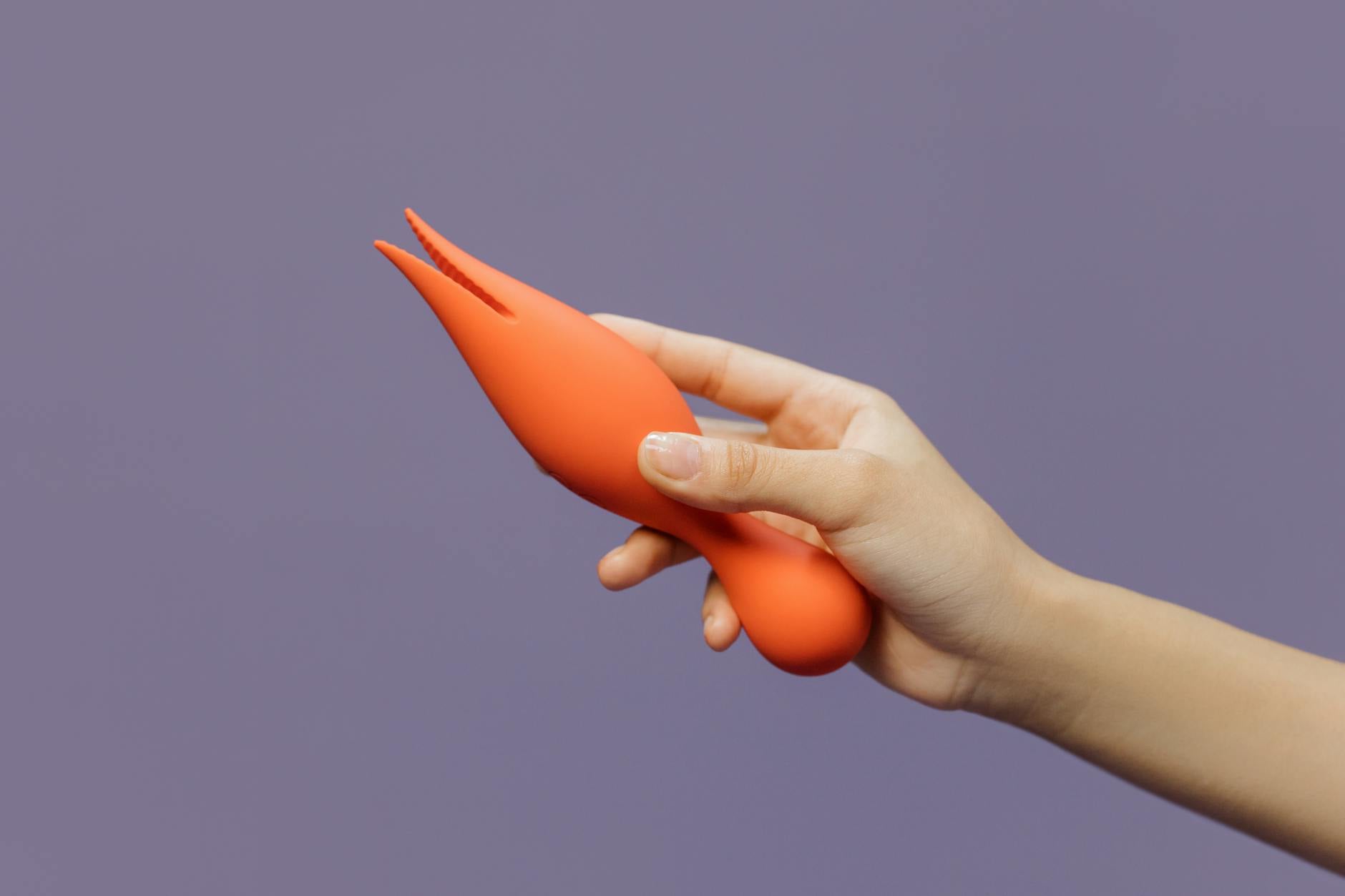
Lemon clitoral vibrators use suction instead of traditional vibration. This is crucial. Here's why it works:
The mechanism is different. Suction stimulates nerve endings from a different angle than friction does. Your nervous system experiences it as novel, which means your brain stays engaged and your nerves keep firing strongly. It's not just a faster vibration. It's a different type of stimulation entirely.
The sensation can't be tuned out as easily. Because suction creates a pulsing pressure rather than a grinding motion, the pattern feels less predictable to your body. Your nerves don't habituate to it the way they do to consistent buzzing.
It works on tissue that's sensitive or thin. If your tissue is thinned from hormonal changes or surgery, suction-based lemon adult toys don't require the same direct friction. The suction lifts tissue slightly and stimulates the nerve cluster without the mechanical wear of a vibrator pressing against the surface.
The science behind reawakening sensation
Desensitization isn't permanent. Your nerves can recover. Studies on tactile habituation show that when you change the type of stimulation, sensation rebounds remarkably quickly. We're talking days to a couple of weeks, not months.
What you need is novelty. Your nervous system is built to respond to new input. That's why people often report that after switching from traditional vibrators to a lemon sucker, sensation comes roaring back within the first few uses.
The other piece is intensity management. When you've been numb, the temptation is to crank up the power on whatever toy you're using. That makes sense logically, but it often backfires. Higher intensity on a traditional vibrator just means faster adaptation. With lemon vibrators, you can start at lower intensities and still feel everything because the stimulation mechanism is so different.
What numbness actually looks like (and isn't)
Here's what I hear in my practice: "I used to come in five minutes. Now I need 45 minutes and a specific fantasy and sometimes it doesn't happen at all." That's numbness. "I want to feel pleasure but I'm anxious about my body." That's different. "My partner won't touch me anymore." That's disconnection, not physical numbness.
Before you assume your sensation is gone, honestly check whether the issue is desensitization or something else. Are you feeling less physical sensation, or less emotional connection? Are you not coming because you can't feel it, or because you're stressed? Those need different solutions.
True numbness is specifically when stimulation that used to feel good feels like... nothing. Not uncomfortable, not painful. Just absent. That's habituation, and that's where lemon vibrators genuinely excel.
The practical reset: how to use them
If you're switching from traditional vibrators to lemon clitoral vibrators after dealing with numbness, take this approach.
Start lower than you think. Even at pattern one or two on a lemon vibrator, you'll probably feel more than you've felt from a traditional toy at medium or high. Your body is going to be shocked at how much sensation is available again. Go slower than your instinct tells you to go.
Use it for exploration, not performance. The point isn't coming. The point is waking up your nervous system. Spend time with lower patterns. Notice what you feel. Let your body remember that pleasure is available.
Build novelty into your routine. Numbness comes back if you get stuck in the same pattern again. Once sensation returns, rotate between a couple of different toys or switch up the patterns you use. Your nerves stay engaged when there's variety.
Pair it with different types of stimulation. If you've been using a vibrator solo, add partner touch. If you've always used it during penetration, try it solo first. Change the context alongside changing the tool.
When numbness is actually a medical issue
Sometimes numbness points to something that needs attention. Medications like SSRIs, blood pressure meds, and some autoimmune treatments can affect sensation. Nerve damage from surgery or injury is real. Diabetes, multiple sclerosis, and other conditions can change how nerves fire.
If numbness came on suddenly or is accompanied by other neurological changes, that's worth discussing with your doctor. But if you've gradually lost sensation over years from using the same toys, that's habituation, and lemon vibrators actually work remarkably well for it.
The bigger picture: pleasure is a skill
Numbness often feels permanent because we assume sensation is just something that happens to us. It's not. Your capacity for pleasure is something you actively maintain. It requires novelty, attention, and sometimes a different tool.
That's not a flaw. That's actually how bodies work. We adapt to our environment and our habits. The solution isn't blaming your body. It's being willing to change the inputs you're giving it.
Lemon vibrators work for numbness specifically because they're novel and they operate on a completely different principle than what you've probably been using. They restart your nervous system's engagement with pleasure. And honestly, for a lot of people, they also feel better than traditional vibrators even when sensation isn't an issue.
FAQ: Numbness and getting sensation back
How long does it take for numbness to go away after switching toys?
Most people report increased sensation within the first three to five uses. Full recovery from desensitization usually takes a couple of weeks if you're also rotating stimulation types and avoiding falling back into the same pattern. Your nervous system rebounds quickly once you remove the repetitive stimulus that caused the adaptation.
Can I use lemon vibrators to fix numbness if I've been using regular vibrators for years?
Yes. Habituation is reversible, even after years. Your nerves haven't lost the ability to feel. They've just learned to tune out a specific type of stimulus. A completely different stimulation mechanism like suction resets that adaptation pattern. Many people who've dealt with numbness for a decade report that sensation returns shockingly fast once they switch to a lemon clitoral vibrator.
Is numbness the same as losing desire or attraction?
No. Numbness is physical desensitization. You can have strong desire and still feel numb because your nervous system isn't receiving adequate stimulation. You can also lose desire without numbness. They're separate things. Before assuming your numbness is about your relationship or your sexuality, isolate the actual sensation piece. That helps you know whether you need a new tool, a different approach, or a conversation.
What if I have numbness in one area but not others?
Partial or localized numbness is common and usually means certain nerve pathways are more adapted than others. You might feel sensation on the outer clitoris but not the glans, or vice versa. Lemon vibrators work well for this because you can control intensity and position. Start with the areas that are still responsive, then gently explore numb areas once sensation is activated elsewhere.
Can I get numbness again after it goes away?
Yes, if you fall back into the same pattern that caused it. Once you've recovered sensation, the goal is variety. Rotate between different toys, change patterns, and mix solo pleasure with partnered touch. Your nervous system stays engaged when it's getting different input. This is one reason why having multiple tools in your collection actually helps prevent numbness from returning.
What if sensation doesn't come back after switching to lemon vibrators?
If you've been using a lemon clitoral vibrator for three to four weeks and sensation still isn't returning, something else might be happening. Medication side effects, hormonal imbalances, nerve damage, or psychological factors can all cause numbness. That's worth a conversation with your doctor. But in most cases of pure habituation, sensation rebounds remarkably quickly with a tool that works on a different principle.
The bottom line
Numbness isn't about your body failing you. It's about adaptation. Your nervous system is designed to tune out repetitive, predictable stimuli. That's actually smart. It's also reversible.
Lemon vibrators work for numbness because they deliver stimulation in a way your nerves haven't learned to ignore. They're novel, they're different, and they often feel like discovering pleasure all over again.
Your sensation isn't gone. It's just waiting for something new.