Let's be real about what changes at 40 and beyond
Your body doesn't stop being sexual. It stops being the same body. And that's not a loss. That's information you can actually use.
Somewhere between 35 and 55, hormones shift in ways nobody explains clearly. Estrogen thins tissue. Testosterone drops. Blood flow patterns change. Your pelvic floor gets less support. And yes, sensation absolutely feels different when you reach for a clitoral vibrator than it did at 25.
Here's what I want you to know before you read another word: different is not broken. Different is data.
What actually happens to your clitoris and sensation
Let me break down the physiology without the jargon.
The clitoris has about 8,000 nerve endings. That number doesn't change. What does change is blood flow and tissue thickness. As estrogen declines, the vulva thins slightly. The clitoris itself becomes less engorged with blood during arousal, which means it takes longer for sensation to build and the peak feels less sharp.
But here's what doesn't change: the nerve density, the neural pathways that signal pleasure to your brain, or your capacity to orgasm. I've worked with hundreds of women over 40, and I can tell you that many report their most intense orgasms come after 40, not before.
Why? Because they've stopped performing. Because they know what they want. Because they're willing to ask for it.
The lemon vibrator advantage after 40
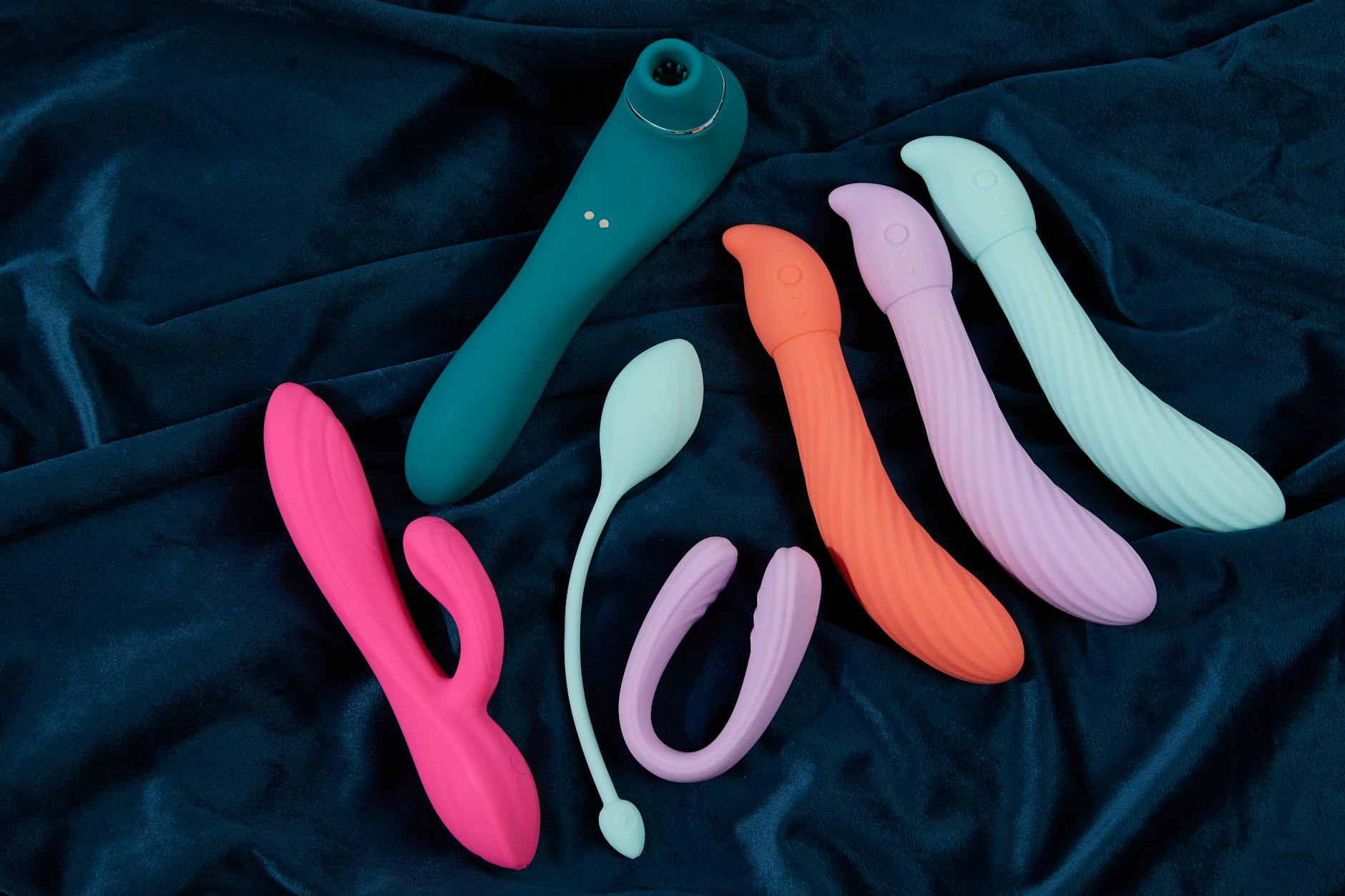
If you're shopping for clitoral vibrators and you're over 40, air-suction toys like the Lem deserve serious consideration. Here's why they're often better than traditional vibrators at this stage of life.
Most clitoral vibrators work by direct mechanical vibration. They buzz against tissue that's now thinner and sometimes more sensitive to pressure. Some women find this intensity sharp or even uncomfortable. It's not that you've lost sensation. It's that sensation now includes discomfort where there used to be only pleasure.
Air-suction technology creates a gentle seal and pulse without the same direct friction. It works with your tissue rather than against it. The sensation is diffuse instead of pinpointed. Many women find this matches what their body actually wants now far better than a traditional vibrator does.
The lemon vibrator at Hello Nancy, for instance, uses three suction patterns at varying intensities. You can start low and work your way up. You're not locked into one sensation.
How to actually figure out what works for your body now
Three things matter more than the toy itself.
Start with arousal time. When you were 25, maybe foreplay meant five minutes. Now budget 15 to 25. This isn't weakness. It's how your nervous system is wired now. Your clitoris needs longer to engorge with blood. Your brain needs more transition time. Work with this, not against it.
Use lubrication, always. I know this feels obvious, but women over 40 often skip it because they assume they should be wet by now. You might not be, and that's not a malfunction. Thinner tissue benefits from external lubrication regardless. Water-based is your friend here. Silicone lubes feel richer but can degrade silicone toys like lemon vibrators.
Start at low intensity and work up. Your sensitivity has shifted. That doesn't mean you're numb. It means the threshold where sensation becomes unpleasant is closer now. The Lem has patterns 1 through 3. Start at 1. You can increase any time. You can't un-feel a jolt you didn't expect.
The pleasure patterns that shift after 40
Desire might feel different too, and I want to name that directly.
Testosterone drops for people with ovaries as estrogen does. Testosterone is a major driver of libido, not just for men but for everyone. If your desire has quieted, that's not imagination. That's hormones. And it's also not permanent, especially if you're interested in addressing it.
But here's the thing: lower libido doesn't mean sex becomes less important. Sometimes it means it becomes more important because you're more selective. You're not interested in obligatory sex anymore. You're interested in sex that actually feels good.
This is where many women report that pleasure deepens. You're not having more sex. You're having sex you actually want. And that changes everything.
When sensation shifts into discomfort
If penetration or clitoral stimulation is painful now when it never was before, that's not normal aging. That's genitourinary syndrome of menopause, or GSM, and it's treatable in weeks.
A menopause-informed GP can prescribe topical estrogen cream. It's not systemic hormone replacement. It's a small amount of estrogen that stays local and rebuilds tissue thickness. Most women feel a difference within two to three weeks. It's one of the easiest fixes in medicine and one of the most under-offered.
If pain isn't your issue but pleasure has completely vanished, low-dose testosterone therapy is worth discussing with a specialist. It's prescribed more freely in Australia and the UK than in the US, but it's available and often profound.
Rebuilding pleasure when your body has changed
Your body didn't break. It evolved. That means your approach can evolve too.
If you have a partner, separate the conversations. "My body is responding differently to stimulation" is a different topic than "I want us to reconnect." Mixing them makes both harder. The first is information. The second is intention.
If you're alone, this is actually easier. You get to explore what you want now without anyone else's rhythm in the room. Many women tell me this period of life is when they learned to have the best orgasms of their life because they had permission to be purely selfish about sensation.
Clitoral vibrators, especially lemon vibrators and air-suction designs, make this exploration feel less lonely. You're not starting from scratch. You're upgrading the tools.
FAQ: Common questions about pleasure after 40
Why does my clitoral vibrator feel too intense now when it didn't before?
Tissue thins with lower estrogen, which can make direct vibration feel sharper. You're not losing sensation. You're gaining information about what pressure level actually feels good now. Air-suction vibrators often feel better because they pulse instead of vibrate directly.
Can I still have orgasms after 40 the same way I did before?
Orgasms might feel slightly different because blood flow and tissue thickness change, but many women report deeper, more full-body pleasure after 40. The capacity is absolutely there. The sensation has just shifted.
Is it normal for arousal to take longer at 40?
Completely. Your nervous system needs more transition time. Budget 15 to 25 minutes for foreplay instead of five. This is how your body works now, and that's fine.
Does using a clitoral vibrator mean something's wrong with my body?
No. Clitoral vibrators at any age help you reach and sustain pleasure more reliably. After 40, they're especially useful because they can be calibrated to match your current sensitivity. That's smart, not broken.
Should I try testosterone therapy if my desire has dropped?
If your desire has completely flatlined and it's bothering you, it's worth a conversation with a menopause-informed provider. Testosterone therapy helps some women dramatically. It's not right for everyone, but you should know it's an option.
What lube should I use with my clitoral vibrator after 40?
Water-based. It's compatible with all materials, won't degrade silicone like lemon vibrators, and washes off easily. Reapply as you go. Your body might produce less natural lubrication now, and that's just how tissue works at this stage.
The part nobody talks about
After 40, you stop performing sex and start experiencing it. Your body gets less obedient and more honest. That honesty is uncomfortable at first. Then it becomes the thing that makes pleasure actually possible.
Your clitoral vibrator isn't a backup because your body is failing. It's an upgrade because you finally know what you actually want.
If you're ready to explore what works now, start here: get a toy designed for your current body, budget the arousal time it needs, use lubrication, and give yourself permission to start low and work up. Hello Nancy has clitoral vibrators and lemon vibrators built for this exact transition. Your pleasure is still there. It's just wearing a different shape now.
Ready to talk through what might work best for your body? Reach out at /contact. That's what we're here for.