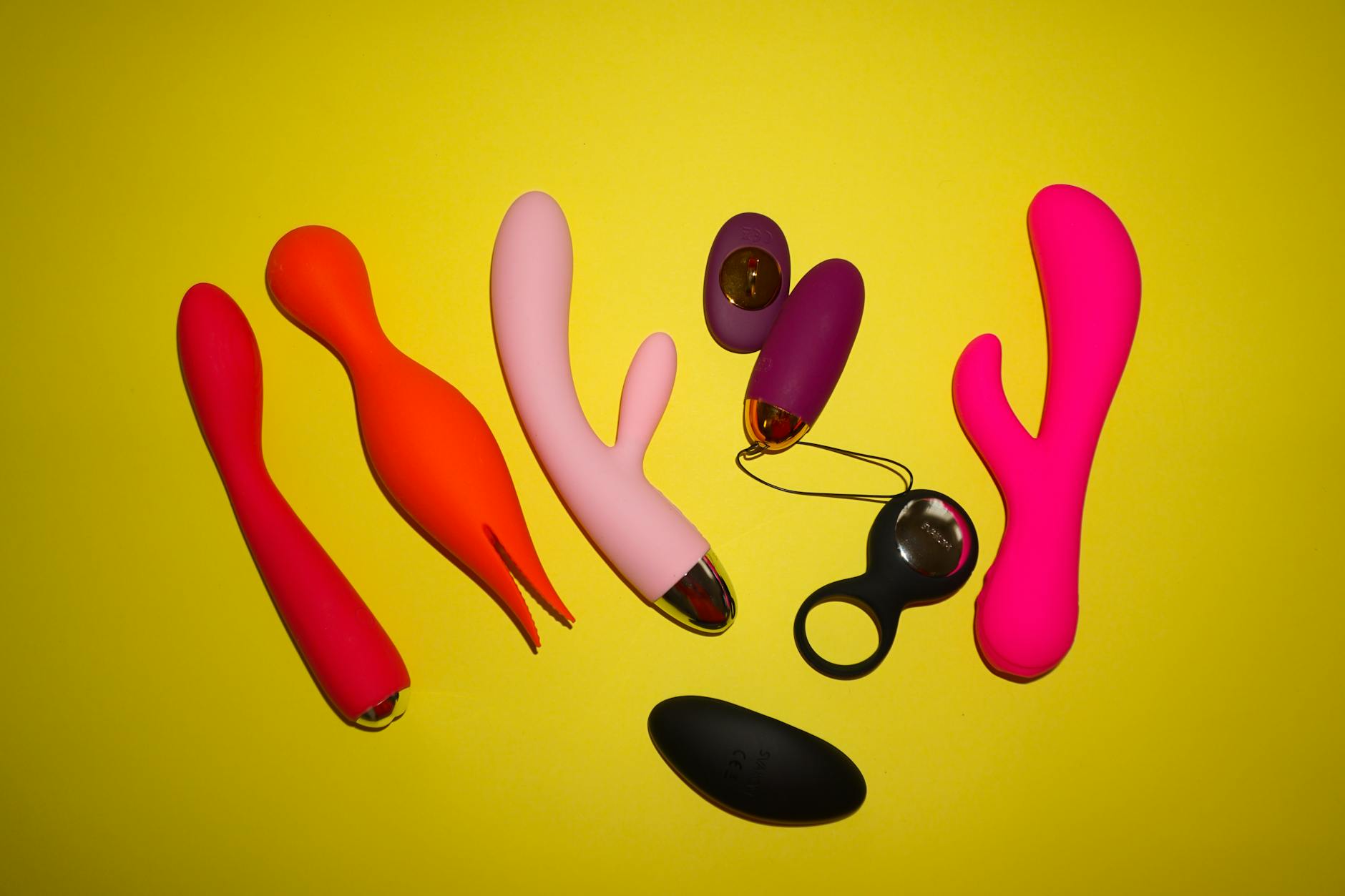
The real conversation hiding beneath the surface
Here's what I hear in my office at least twice a week: "I want to use a vibrator. My partner thinks that means I'm not satisfied with them."
The vibrator itself is rarely the actual problem. What's happening is deeper, and once you understand it, you can fix it.
Why your partner might be resisting
When someone pushes back on introducing lemon vibrators or any clitoral vibrator into your sex life, they're usually feeling one of three things.
The first is inadequacy. "If you need that, I'm not enough." This one is almost universal. It comes from a cultural script that says good sex should come from a partner's body alone, and if it doesn't, someone failed. That script is garbage, but it lives in most of us whether we admit it or not.
The second is loss of control. Sex is one of the few areas where your partner gets to be competent, powerful, maybe even needed. A lemon clitoral vibrator doesn't need them. It's independent. That can feel destabilizing.
The third is practical anxiety. They're worried the vibrator will become a permanent third party in your bed. They're imagining they'll always have to pull out a toy to make things work. Spoiler: that's not how it works, but the worry is real.
None of these feelings are silly or immature. They're just not about the toy.
Start with the conversation, not the vibrator
Before you bring a lemon vibrator into the bedroom, bring it into conversation. Seriously.
I mean sitting down, not mid-argument, when you're both fed and not tired, and saying something like: "I've been thinking about trying a vibrator, and I want you to know this isn't because anything's wrong with us. It's because my body responds to different kinds of stimulation at different times, and I want to explore that. What comes up for you when I say that?"
Then listen. Don't defend. Don't fix. Just listen to what they're actually afraid of.
If they say "I'll feel like I'm not enough," the answer isn't "You are enough." The answer is: "Your pleasure and connection matter deeply to me. That's separate from me wanting to experience different sensations sometimes. Both things are true."
If they say "I don't know how to use it," that's fixable. You can teach them. Or you can use it solo first.
If they say "It feels clinical" or "weird," ask them to use it with you while you're together, even if you're both just watching. Familiarity kills a lot of resistance.
The bridge move: introduce it as something for you, not something you need
This is the language shift that changes everything. Instead of "I want to use a vibrator because I want to orgasm," try: "I want to explore what my body likes. I'm curious. This is for me."
There's a massive psychological difference. One sounds like they're not working. The other sounds like self-discovery.
A lemon clitoral vibrator, in particular, works differently than most toys. It uses suction and pulsing patterns instead of just vibration. If your partner hasn't tried one, they might not realize it feels nothing like what their body provides. It's not competition. It's a different instrument entirely.
I often suggest using it solo first. Tell your partner you're going to explore it by yourself, and then you'll tell them what it feels like. Take that pressure off them to perform or facilitate immediately. Most resistance softens when someone feels they didn't have to choose between the toy and your relationship.
Reframe what "using it together" actually looks like
Your partner might be imagining you with a lemon vibrator while they stand there feeling useless. That's a depressing image, which is why they're resisting.
Here are three actual ways couples use clitoral vibrators together that feel connected instead of alienating:
Scenario one: Foreplay prep. You use the lemon vibrator for five or ten minutes while your partner touches you elsewhere. Hands on your thighs, your breasts, kissing your neck. The toy is doing one job. They're doing everything else. You're still together.
Scenario two: Arousal boost. If you take longer to warm up than your partner does, using a clitoral vibrator while they're getting into position means you both arrive at penetration at roughly the same time. This actually synchronizes you, not distances you.
Scenario three: Aftercare. You use the toy after they've finished or come off. They're still in bed, still close, maybe holding you. The vibrator isn't replacing them. It's extending something already good.
Each of these keeps your partner in the picture. That matters.
When your partner wants to use the lemon vibrator on you
This is often a turning point. The moment someone realizes they can hold the toy and create sensation on their partner's body, the whole dynamic flips.
Let them explore it. Show them the intensity settings. Let them feel the patterns on their own hand first so they know what they're working with. Then guide them on your body. "A little slower here." "Try that pulsing pattern."
When your partner is actively using the lemon vibrator on you, they're not watching from the sidelines. They're involved. They're learning your body in a new way. They're the one creating pleasure, just with a different tool.
That's usually when resistance evaporates.
The harder conversation: what if they stay resistant?
Sometimes you do all of this work and your partner still won't budge. That's information, and it's worth paying attention to.
Resistance that doesn't soften after honest conversation often means something bigger is going on. Maybe the relationship has lost trust. Maybe there's resentment you haven't named. Maybe one partner feels invisible or unheard in other areas, and the vibrator is the lightning rod for that feeling.
That's not a vibrator problem. That's a relationship problem, and you might need help from a therapist to move through it. And that's okay. It's actually good information.
But if your partner's resistance is just fear or unfamiliarity, most of this shifts once they feel safe and included. Give that process time. Pushing too hard usually backfires.
The long view
Honestly though, the couples I work with who get through this initial resistance usually find that introducing a lemon clitoral vibrator strengthens their intimacy instead of threatening it. Because they had to have the hard conversation first. They had to talk about pleasure, about bodies, about what they each need.
That conversation doesn't happen without the vibrator as a catalyst. And those conversations, once you start having them, tend to open other doors too.
Your partner isn't threatened by the toy forever. They're threatened right now because it's unfamiliar and it triggered an old script about what their role should be. Give that fear air, listen to it, include your partner in the exploration, and watch what happens.
People also ask
Why does my partner feel insecure about me using a vibrator?
Most partners' insecurity comes from an internalized belief that they should be enough on their own. This idea is baked into how we talk about sex culturally, but it doesn't match how bodies actually work. Different types of stimulation create different sensations. A vibrator isn't a referendum on your partner's competence or desirability. It's a tool for sensation. The insecurity usually lifts once your partner realizes the vibrator doesn't replace them. It actually can enhance your shared pleasure when introduced with communication and care.
Can my partner use the lemon vibrator on me?
Yes, absolutely. Many couples find this is the turning point where resistance shifts. When your partner holds the vibrator and controls the sensation they're creating on your body, it feels collaborative instead of isolating. They're learning what patterns and intensities you respond to. They become part of the experience rather than watching from the side.
How do I bring up vibrators with a partner who's never been open to them?
Start with a private conversation outside the bedroom, when you're both calm and unhurried. Say something like: "I've been curious about trying a vibrator because I want to explore what my body enjoys. This is about my own pleasure and curiosity, not because anything's wrong with us." Then listen to what comes up for them without defending. Often their resistance is about fear, not about you or the relationship. Once you understand what they're afraid of, you can address that fear directly.
Should I use a vibrator solo before introducing it to my partner?
It can help, honestly. Using a lemon clitoral vibrator on your own first removes the performance pressure. You get to discover what you like without anyone watching or evaluating. Then when you talk to your partner about it, you can describe the experience with specificity and enthusiasm, which usually softens their resistance. Plus, you'll know what you're doing, which makes the first partnered experience less awkward.
What if my partner never becomes comfortable with vibrators?
That's possible, and it's worth taking seriously as information about your relationship. Deep resistance that doesn't soften after honest conversation often signals that something else is happening underneath. Maybe there's lost trust, unspoken resentment, or one partner feeling excluded from other parts of the relationship. Sometimes that needs a therapist to untangle. But many times, what feels like permanent resistance is just unfamiliarity, and it shifts with time, inclusion, and honest communication.
Can using a lemon vibrator with my partner actually improve our sex life?
Yes. In my experience, couples who navigate this conversation well often find their overall intimacy strengthens. Because introducing a vibrator requires you to talk about pleasure, bodies, and what you each need. Once you start having those conversations, they tend to spill into other areas. You become more attuned to each other. You're more honest. That foundation makes everything better, including partnered sex. The vibrator is just the catalyst.
If you and your partner are stuck on this one, you don't have to figure it out alone. A therapist trained in sex-positive work can help you both feel heard and move past the initial resistance. What matters most is that you keep talking, keep listening, and keep including your partner in the discovery. That's how you build something stronger on the other side.