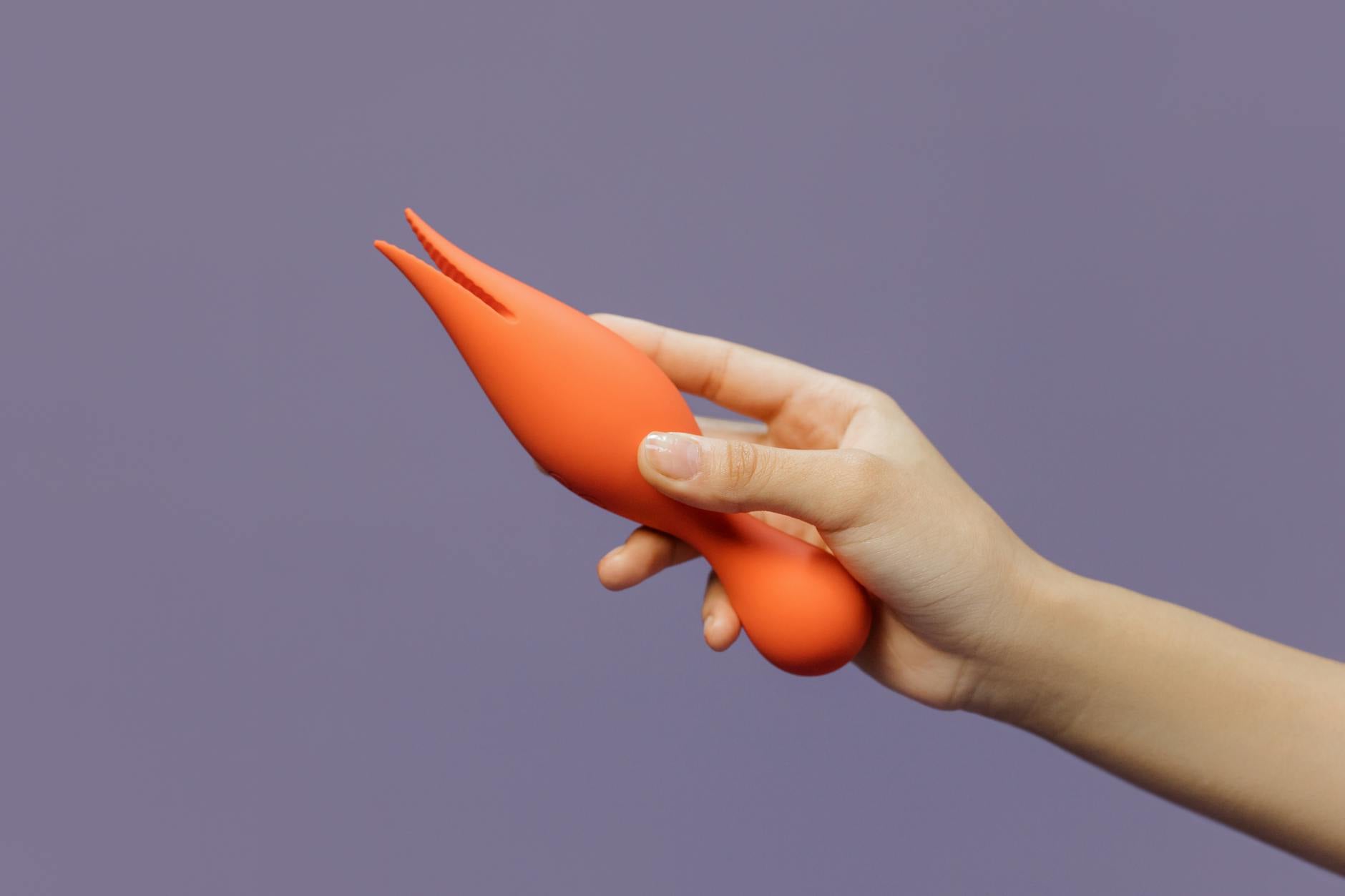
Let's start with the thing nobody talks about
Your medication isn't broken. Your pleasure isn't broken. But the bridge between them? That often shifts. Antidepressants, blood pressure medications, thyroid treatments, and hormonal changes can all dampen arousal, delay orgasm, or flatten sensation. If you started a new medication and suddenly noticed that pleasure takes longer, feels duller, or doesn't arrive at all, you're not alone. And you're not stuck.
Here's what I tell people in my office: the problem isn't the medication doing its job. The problem is that nobody warned you this might happen, and so you're interpreting your body's changes as your own failure. They're not.
How medications actually affect arousal
Three main systems get touched. First, blood flow. Many medications narrow blood vessels or reduce nitric oxide production. This means blood reaches the clitoris more slowly, and the swelling and sensitivity that normally signal arousal take longer to build.
Second, neurotransmitters. SSRIs (the most common antidepressants) increase serotonin, which is great for mood. But serotonin also dampens dopamine and noradrenaline, the chemicals that drive desire and genital response. It's a trade-off most people make gladly. The side effect of delayed or missing orgasms is real, though.
Third, hormones. Medications that alter cortisol, thyroid function, or estrogen levels change the baseline tone of your nervous system. You might feel chronically slightly off, which makes it hard to slip into the headspace pleasure requires.
The good news: none of this is permanent, and tools like lemon vibrators are specifically designed to work around these shifts.
Why lemon clitoral vibrators help when sensation is muted
Most vibrators rely on direct vibration. They're effective, but they also require a lot of buildup when your body is slower to respond. Lemon vibrators use air-suction technology instead. This creates gentle, rhythmic pressure that stimulates the clitoris without requiring the kind of consistent arousal and sensitivity that medications can dampen.
Think of it this way: direct vibration is like knocking on a door. Suction is like a series of soft pulls. When sensation is delayed or muted, the pull actually works harder because it engages deeper nerve tissue in the clitoris, which doesn't desensitize the way surface tissue does.
A lemon vibrator also means you're not working as hard. When you're using something less effective and waiting longer for results, you get frustrated and tense. Tension makes arousal harder. Frustration kills pleasure. A lemon clitoral vibrator short-circuits that cycle.
Timing and setup matter more than intensity
Here's the practical shift. With medication-related delays, you want to give yourself permission for slower, longer warm-up. This isn't about accepting reduced pleasure. It's about meeting your body where it actually is right now, not where you wish it was.
I recommend starting your session 20-30 minutes before you plan to use a lemon vibrator. Read something that turns you on. Watch something that works for you. Touch yourself slowly without the toy. Let your brain lead for a bit before your body catches up.
When you do reach for your lemon sucker, start with the lowest intensity setting. Most people with medication-related arousal shifts find they need gentler initial pressure than they did before. Your tissue is still responsive. It's just not lighting up as fast. The lowest setting gives your nervous system permission to gradually wake up instead of demanding immediate reaction.
Lubrication becomes non-negotiable
Many medications also affect lubrication, especially those that touch hormones or blood pressure. This isn't a sign that pleasure isn't happening. It's just a practical reality.
Use a water-based lubricant every time, even if your body produces natural lubrication. The lube isn't just for comfort. It creates an ideal seal for the suction cup on your lemon vibrator, which means the technology works the way it's designed to. No seal, no suction effect.
Apply lube generously to the cup and to your skin. Reapply mid-session if things get dry. This isn't wasting time. It's engineering your own pleasure.
The pacing reset
Medication-related arousal changes often feel like your body betraying you because you're still moving at your old speed. Your old speed was fine when your chemistry could match it. Right now, it can't.
Consider extending sessions. Instead of a five-minute quickie, aim for 15-20 minutes with your lemon vibrator. The first half is probably warm-up. The second half is where response starts to build. If you stop at the old five-minute mark, you quit right before things start happening. Of course you feel frustrated.
My clients often tell me that once they reframed 20 minutes as "time being generous to my body" instead of "proof I'm slow," pleasure returned. The medication didn't change. The pressure did.
When to talk to your doctor
Not all medication-related arousal changes respond to better technique. Some do. Some require adjusting your dose, switching medications, or adding a second medication to counteract the side effect. None of this is shameful. It's basic maintenance.
If you've tried extending warm-up time, using better tools like lemon clitoral vibrators, and adjusting pacing, and sensation is still completely absent after 4-6 weeks, bring it up with your prescriber. You don't need to be embarrassed. Sexual function is a legitimate health concern, and good doctors treat it that way. Ask specifically about dose adjustment or switching to a medication in a different class (like bupropion, which has fewer sexual side effects than most SSRIs).
Some people find that being on the same medication for 8-12 weeks lets their body adapt. Arousal slowly returns as your nervous system adjusts. Others find they need intervention. Both are fine.
The mental piece you can't skip
Here's the part that matters as much as the physical tools. When pleasure stops working the way it used to, your brain often decides it's broken forever. It's not. But your brain doesn't know that. So you approach sessions with dread instead of curiosity. Dread makes everything harder.
Give yourself permission to treat this season differently. You're not returning to normal. You're building a new normal that works with your current body. A lemon vibrator is part of that. So is time. So is patience.
If you're in a relationship, this is also a conversation worth having. "My body is responding differently than it used to, and I'm working on figuring out what helps" is a lot less lonely than white-knuckling it alone and assuming something's wrong with you.
People also ask
Can medications permanently damage my ability to have orgasms?
No. Arousal changes from medication are a side effect, not permanent damage. Once you adjust your approach, reduce your dose, or switch medications, sensation usually returns within weeks. Some people need a few months. Some find that staying on the medication and using better techniques like lemon vibrators gets them back to pleasure. Your nervous system is flexible.
How long does it usually take to feel pleasure again after starting a medication?
It varies wildly. Some people adapt within 2-3 weeks. Others take 2-3 months. The most important thing is not to assume you've adapted when you actually just stopped trying. Keep using your lemon clitoral vibrator regularly. Changes in arousal often happen gradually, and you might not notice until you compare sensation now to sensation three months ago.
Should I stop my medication to fix the arousal problem?
Absolutely not without talking to your doctor. The medication is probably helping with something serious. The arousal shift is a side effect you can work around, not a reason to stop treatment. Work with your prescriber on dosing, timing, or alternatives before considering stopping anything.
Do lemon vibrators work better than regular vibrators for medication-related arousal issues?
For most people, yes. The suction technology engages different nerve tissue than direct vibration does. When sensation is muted, that difference matters. That said, everyone's body is different. What works brilliantly for one person might be just okay for another. Hellolem's return policy exists so you can try and find what actually works for you.
Can I use a lemon vibrator if I'm on multiple medications that affect sensation?
Yes. In fact, if you're on multiple medications that touch arousal, you're probably dealing with compounded delays and numbness. This is exactly the situation where better tools help most. Use lubrication, extend your warm-up time, start with low intensity, and be patient with yourself.
Will my pleasure ever return to exactly how it was before medication?
Maybe, maybe not. But you might find that pleasure becomes more intentional, more textured, and honestly sometimes better. Because you're being thoughtful instead of reflexive. Because you're meeting your actual body instead of ghosting your old one. That's not worse. It's different, and sometimes different gets better.