Let's start with what's actually happening
Honestly, the thing nobody tells you is this. Your body isn't breaking. It's just changing how it talks to you.
As we age, three main shifts happen at the cellular level. Skin becomes thinner and loses elasticity. Blood flow to the genitals takes longer to ramp up during arousal. And nerve sensitivity rewires itself, which sounds bad but often means your nervous system is actually more refined, more selective about what it finds worth responding to.
The result? Many people report that sensation feels duller, slower to build, or less intense than it did at twenty-five. Some describe it as needing "more" to get the same feeling. But here's the part that gets left out of every mainstream conversation about aging and pleasure. Your capacity for orgasm doesn't disappear. The pathways are still there. What's changed is the speed and the type of stimulus that unlocks them.
Why sensation actually dulls over time
Three things are happening simultaneously.
Nerve density decreases slightly. The clitoris doesn't lose sensitivity completely, but the density of nerve endings that detect light touch does decline. This is why the feathery, barely-there stimulation that worked at thirty might feel like almost nothing at forty-five or fifty.
Arousal requires more time and mental engagement. Hormonal changes (whether from aging, medication, or life stress) mean your body needs a longer ramp-up period. The pre-arousal phase isn't shorter. It's just less automatic. You have to actually be present for it to happen.
Blood flow becomes less spontaneous. Your genitals need active circulation to swell and become fully responsive. After thirty-five or forty, this doesn't happen as quickly during fantasy or anticipation alone. It needs direct physical stimulation to get going.
None of this is permanent damage. It's a recalibration.
Why lemon vibrators actually work better as sensation shifts
This is where the design of air-suction technology becomes genuinely important.
Traditional vibrators work by rapid micro-movements on the skin surface. When nerve density decreases, those vibrations can feel less distinct. Your nervous system essentially has fewer sensors picking up the signal. It's like trying to hear a whisper in a room with fewer people listening.
A lemon clitoral vibrator uses suction and gentle pulsing instead. Rather than vibrating across the surface, it draws the clitoral tissue into a small chamber and releases it rhythmically. This does two things that matter as you age.
First, it stimulates deeper nerve structures, not just surface sensors. The clitoris is actually much larger than the visible glans, extending down and around internally. Suction engages those deeper structures in a way vibration alone often can't. Second, the sensation is distinct and impossible to ignore. Your nervous system registers it clearly because it's a different type of input than the fine vibration you might have gotten numb to over decades.
This is why so many people in their forties, fifties, and beyond report that they find stronger sensation with Hello Nancy's Lem vibrator than they did with wand vibrators they've used for years.
The physical adjustments that shift everything
Four practices make the biggest difference.
Start with longer warm-up time. I'm not talking about foreplay with a partner, though that matters. I mean time alone, building anticipation. Fifteen to twenty minutes of touching other parts of your body, thinking about what you want, letting blood circulation build gradually. Then add the lemon vibrator. Your body needs permission to take its time.
Use the lowest settings first. The Lem has multiple intensity patterns. Many people assume jumping to high intensity makes sense when sensation feels muted. Actually, the opposite is true. Start with pattern one or two. Let your nervous system register the sensation clearly before you increase intensity. You're training your attention, not fighting your body.
Keep lubrication standard. Tissue does become drier with age, especially if hormone levels have shifted. This isn't shameful or unusual. Water-based lubricant makes the suction work more effectively and the whole experience more comfortable. Apply it generously.
Pay attention to your pelvic floor. The pelvic floor muscles tighten over time, especially if you've spent years doing kegel exercises. A tight pelvic floor can actually block sensation. Try spending time learning to relax these muscles fully, not just contract them. This takes practice, but it pays off enormously.
The mental shift that matters more than the physical one
Here's what I see most often in my practice. People over forty have spent two decades or more calibrating their pleasure around someone else's timeline or their own internalized pressure to respond quickly. By the time sensation naturally starts shifting with age, there's already a story in place. "I'm broken now. I can't feel things like I used to."
That story becomes the ceiling.
The actual physiological change is real. But it's maybe thirty percent of what's happening. The other seventy percent is learned helplessness, comparison to your younger self, and the belief that pleasure is supposed to be effortless. When sensation slows down, many people interpret that as failure instead of transition.
What I recommend instead. Separate the narrative from the biology. Your body isn't failing. It's asking you to pay closer attention, to be more intentional, to slow down. Those aren't punishments. They're often the conditions under which people report their most satisfying orgasms ever.

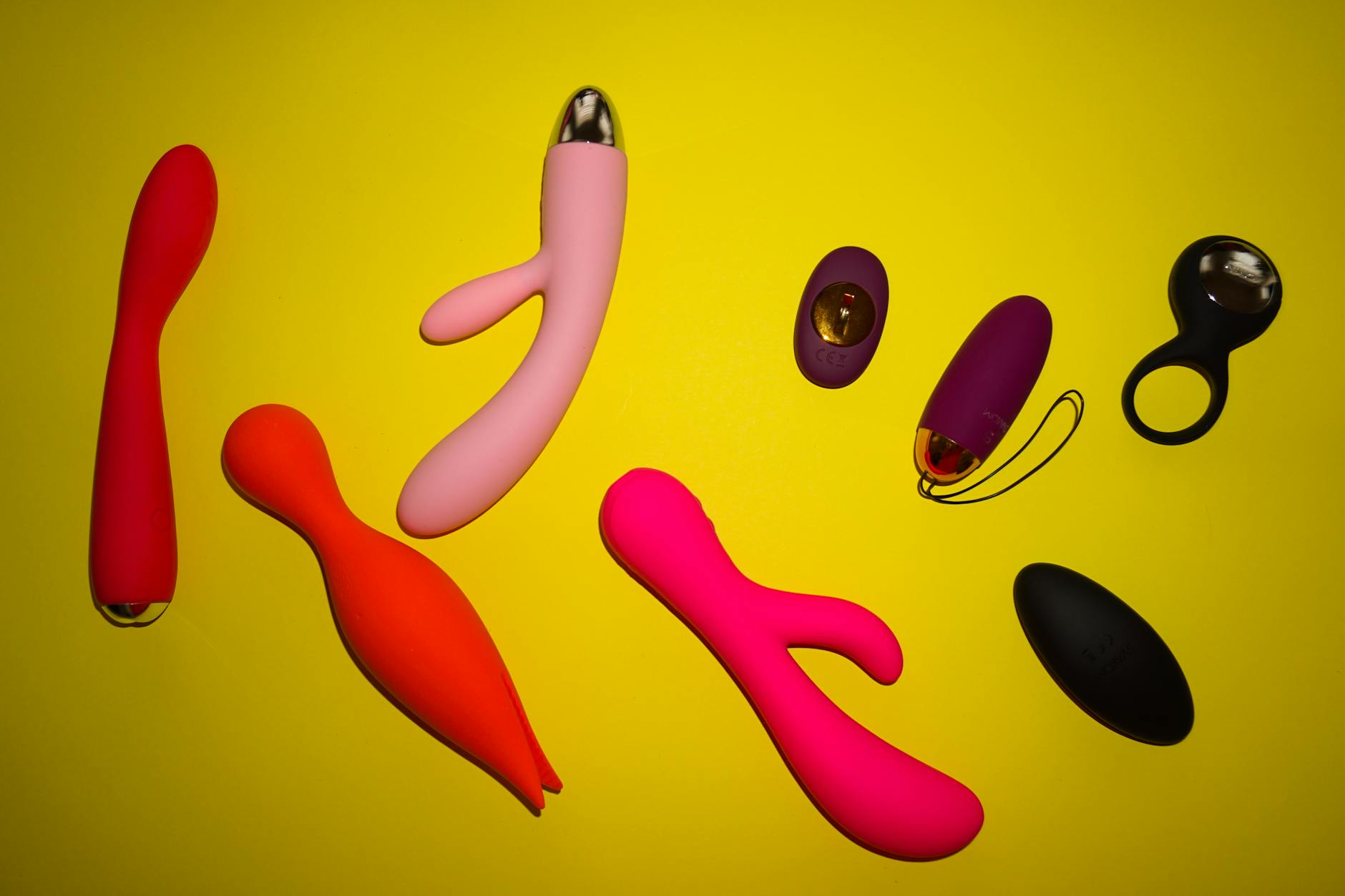
Photo by cottonbro studio on Pexels
When sensation doesn't return even with changes
Sometimes physical and mental adjustments still don't restore the sensation you want. This is worth taking seriously.
Certain medications suppress sexual response. Antidepressants, blood pressure meds, and hormonal contraceptives are common culprits. If you're on something that was prescribed recently and sensation dropped noticeably after starting it, talk to your doctor. Often there are alternatives that don't have the same side effect.
Certain medical conditions also dampen sensation. Diabetes, thyroid dysfunction, and hormonal imbalances can all contribute. If you've changed your sensation profile significantly and nothing seems to help, it's worth a checkup with a doctor who actually listens about sexual health. Not all doctors do, but they exist.
And sometimes, especially if you're dealing with something like neuropathy or nerve damage, a lemon clitoral vibrator genuinely might not be the right tool. That's okay. The point isn't to force a particular toy to work. The point is finding what does work.
Using a lemon vibrator with a partner as you age
Most conversations about aging and sex assume you're solo. But many people navigate this shift with a long-term partner.
The most useful conversation to have is simple and honest. "My body is responding differently now, and I want us both to understand what that means." You're not asking for pity. You're naming a fact. Then you can explore together. Maybe your partner uses the lemon vibrator on you. Maybe you use it solo and your partner is present while you do. Maybe it becomes part of partnered sex instead of replacing it.
The key is separating the physical shift from any relationship anxiety that might be riding on top of it. When sensation changes, people sometimes panic that it means attraction has faded or intimacy is ending. Usually, it just means you both get to learn something new about each other's bodies.
Common questions about aging and sensation
Does sensation ever fully return to what it was when I was younger?
Not exactly. But "different" doesn't mean worse. Some people report that orgasms feel more intense or more full-body in their fifties than they did in their twenties. The sensation of clitoral stimulation might feel less isolated and more integrated with overall body pleasure. Is that "returning?" No. Is it sometimes better? Frequently yes.
Can medications help restore sensation that's faded with age?
Yes, sometimes. Hormone replacement therapy can help if your sensation shift is directly tied to estrogen or testosterone decline. Certain medications like sildenafil, often prescribed for blood flow, can sometimes improve sensation too. The conversation to have is with a doctor who takes sexual health seriously, not with assumptions about what's possible.
Is it normal that orgasms feel different now, even when I can have them?
Completely normal. Orgasms shift texture, intensity, and duration over time. Some people describe them as less explosive but more sustained. Others say they feel more localized or more full-body depending on the day. All of this is within the normal range of variation.
If I haven't had much sensation for years, can a lemon vibrator actually help?
Sometimes, yes. The suction mechanism engages different nerve pathways than vibration does, which means it can sometimes restore sensation where vibration failed. But it's not guaranteed. More importantly, if sensation has been absent for years, that's worth investigating with a doctor. Numbness that persistent often has a fixable cause underneath it.
How long does it usually take to feel stronger sensation after starting to use a lemon clitoral vibrator?
It varies wildly. Some people feel a difference in the first session because the sensation type is just so different from what they've tried. Others need weeks of consistent use before their nervous system registers that this new input is worth paying attention to. Be patient. Your body isn't broken. It's just learning.
Is decreased sensation a sign that I should stop trying or accept that this part of my life is over?
No. Absolutely not. Decreased sensation is a shift, not a stop sign. With the right approach, tools like lemon vibrators, and genuine attention to what your body is telling you, many people find that their sexual life deepens and intensifies in their forties and beyond.
The thing nobody says out loud
Your body at forty-five or fifty-five isn't your body at twenty-five. That's not a tragedy. That's evidence that you've lived.
The cultural narrative around aging tells you that pleasure gets worse. More often, in my experience, it gets more honest. You stop performing. You stop doing things that don't actually feel good just because they're supposed to. You get pickier about what's worth your time. And when you finally find something that works, like lemon vibrators do for so many people, the satisfaction is deeper because it's earned through attention and patience, not luck.
Your pleasure matters at every age. Not despite your age. Because of everything you've learned about yourself up to now.
If you're navigating aging and sensation shifts and want to talk through what might work for you, reach out. That's what we're here for.