Let's be honest about conflict and touch
After a real fight, sex feels impossible. Not because desire vanishes, but because your nervous system is stuck in defense mode. You're still carrying the argument in your shoulders. Your partner's touch might feel unsafe, even though you love them. The gap between "I want to reconnect" and "I can actually receive touch right now" is real, and it's huge.
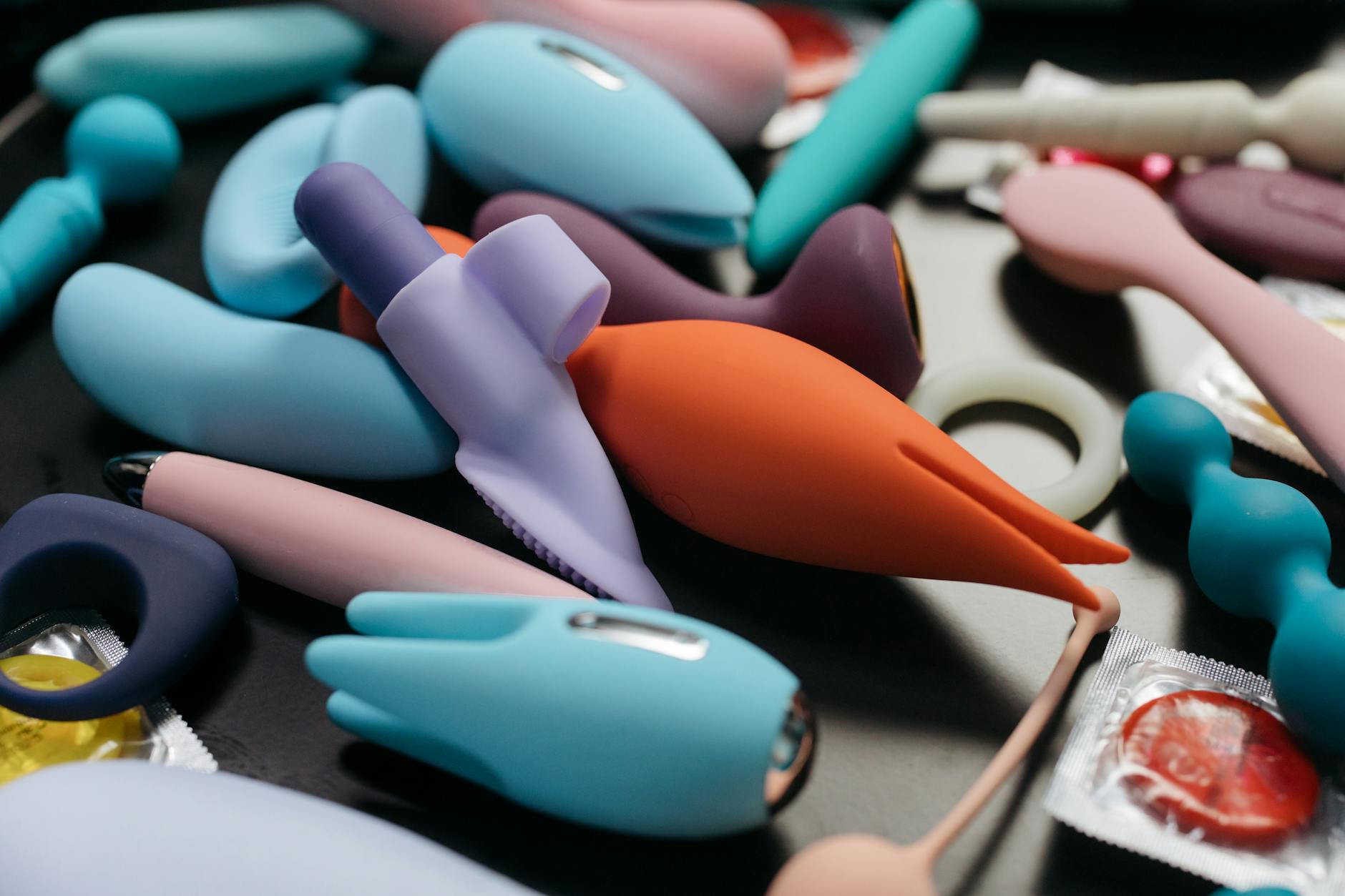
Here's what most couples don't realize: rebuilding physical intimacy after conflict doesn't start with penetration or orgasm. It starts somewhere smaller. It starts with permission to feel good again, without the weight of the fight attached to it. Lemon vibrators, specifically clitoral vibrators like the Lem, can be that permission slip. They're neutral. They don't carry the argument. They can help reset your body's response to pleasure when everything else feels loaded.
Why touch breaks down after conflict
When couples fight, the nervous system enters a state of protective tension. You're not being dramatic. There's actual neurobiology here. Your amygdala (the threat detection center) is overactive. Your prefrontal cortex (the logical, connection-oriented part) is offline. Your partner's hand on your shoulder doesn't feel like reassurance. It feels like a reminder of disconnection.
Many couples try to push through this and have sex "to get past it." Sometimes it works. Often, it just layers resentment on top of the original hurt because you're having obligatory, tense sex instead of genuine reconnection.
The fix isn't more conversations or more willpower. It's a nervous system reset. Solo pleasure with a lemon clitoral vibrator can do that. When you're using the Lem or another quality vibrator alone, you're activating the parasympathetic nervous system (the rest-and-digest mode) without the pressure of performing for someone else or managing their feelings.
How solo pleasure resets the couple
I work with couples in this exact place all the time. Here's what I see happen: after a conflict, one partner uses a clitoral vibrator solo for a few days. Not as a substitute for their partner. As a reset button. They experience pleasure without defense. Their body remembers what good feels like. The nervous system shifts from "threat" to "safety."
Then, when they and their partner come back together, the texture of touch has changed. You're not trying to force intimacy on top of unprocessed hurt. You're coming back to each other from a place where your body already knows pleasure is possible.
The conversation that comes before pleasure
Let's be clear: using a clitoral vibrator after conflict isn't about avoiding the conversation. It's about creating the conditions where the conversation actually lands. You can't have a genuine reconnection talk when you're still in fight-or-flight mode. Your nervous system is too flooded.
So the timeline looks like this: conflict happens. You take some space (could be hours, could be a day or two). You name what happened without blame: "I felt unheard in that conversation." Your partner says: "I hear you. I want to reconnect." Then you say: "I need a day to settle before we can be intimate." That's when solo pleasure becomes useful.
When you come back, your nervous system is calmer. Your body remembers what feels good. The next conversation (or the first moment of reconnection touch) happens from a different place.
Using a lemon vibrator as a bridge back to your partner
Many couples I work with worry that solo pleasure will create distance. The opposite is true, if you approach it honestly.
Here's the reframe: your partner doesn't own your pleasure. They're a co-creator of it. After conflict, using a clitoral vibrator solo isn't rejection. It's preparation. You're priming your nervous system to receive touch again. You're telling your body: "It's safe to feel good. It's safe to be vulnerable." Those are the exact conditions you need to reconnect with your partner.
Then, when you're ready, you can invite them into that pleasure. Some couples use a lemon vibrator solo first, then have their partner watch, or participate by holding it, or simply be present. The specific logistics matter less than the foundation: you're rebuilding touch from a place of individual safety first.
What patterns to watch for
Using solo pleasure as actual avoidance is different from using it as a reset. Watch for these red flags.
If you're using a vibrator every day to avoid touching your partner or being touched, that's avoidance. If you're using it because conversations keep breaking down, that's a sign the conflict needs outside help (a couples therapist). If the vibrator becomes the only way you can feel good, that's worth examining with a partner.
But if you use it for a few days after a fight, your body calms down, and then you're able to reconnect? That's the tool working as intended.
The specific mechanics of reconnection touch
Let's talk about what happens when you come back together.
After you've used a clitoral vibrator solo and your nervous system has reset, the first touch with your partner might not be sex at all. It might be: holding hands in bed. A long hug. Your partner's hand on your thigh while you're watching something together. Let the nervous system guide the pace.
When you do move toward sex, go slow. Your body might not be fully ready, even if your brain thinks it is. If you had penetrative sex before the conflict, consider starting with oral sex or hand contact instead. Something that feels less "loaded" than what created the original distance.
Some couples find that incorporating a lemon clitoral vibrator into their reconnection sex helps. The vibrator becomes neutral ground. Your partner can use it on you, or you can use it while they're present. It doesn't replace their touch. It adds a different sensation. It's a concrete way of saying: "We're building this together. I want you here."
When reconnection takes longer
Sometimes the fight is bigger. Sometimes there's betrayal or a pattern of the same conflict repeating. In those cases, a vibrator isn't the tool. Therapy is. A couples therapist can help you rebuild trust, which is the real foundation of reconnected touch.
But in the common scenario where two people had a fight, both want to reconnect, but your nervous systems are stuck in defense mode, a simple reset with a lemon vibrator and a clear conversation about timeline can shift everything.
The thing nobody says about vulnerability
After conflict, letting your partner back in sexually requires genuine vulnerability. You have to risk being hurt again. That's terrifying. Using a vibrator solo first isn't weakness. It's the nervous system doing exactly what it's supposed to do: building safety incrementally.
When you can feel pleasure solo, you're proving to yourself that pleasure is possible even after hurt. That's not avoidance. That's resilience. And that's what allows you to open up again to your partner.
FAQ: Reconnection After Conflict
How long should I wait after a fight before trying to be intimate again?
There's no universal timeline. Some couples reconnect within hours. Others need a few days. The question isn't "how long should I wait" but "has my nervous system actually settled." You'll know because you can think about your partner without the argument resurfacing. Your chest doesn't tighten. If you're still in that place of defensive tension, more time helps. If you're ready, even after 24 hours, that's fine too. Listen to your body, not a schedule.
Is using a vibrator after conflict cheating or disloyal?
No. Your pleasure is yours. Using a clitoral vibrator to reset your nervous system after conflict isn't about your partner. It's about you. In fact, most partners appreciate knowing that you're taking care of yourself so you can reconnect more genuinely. The couples I work with are usually relieved when their partner says, "I need a day to use my vibrator and settle down," because it's honest. It means reconnection won't feel forced.
Can my partner and I use a lemon vibrator together to reconnect?
Absolutely. Some couples find that introducing a vibrator together during reconnection sex helps because it's novel and can break the pattern of the conflict. Using a lemon clitoral vibrator as part of your reunion sex can make it feel intentional and different from what came before. Just make sure you both want it. Don't use a vibrator to compensate for unresolved conflict.
What if my partner feels insecure about me using a vibrator solo?
This is a conversation, not a problem. Your partner might worry that the vibrator means they're not enough, or that you're secretly unhappy. Neither is true. A vibrator is a tool. It's not a replacement for your partner's presence or touch. That said, their feeling matters. You might explain: "I'm using this to help my nervous system reset after conflict so I can actually be present with you again." Some partners even find it helpful to watch, if you're comfortable with that. There's no single right way to integrate this conversation. It requires honesty from both of you.
How do I bring up using a vibrator if we've never talked about it?
Start small. The conversation doesn't have to be formal. "After we fight, my body gets stuck in defense mode. I've been thinking about using a vibrator solo for a day or two to help myself calm down so we can reconnect more genuinely. Would that feel okay with you?" Most partners will appreciate the honesty. If there's real resistance, that might be worth exploring together or with a therapist, because anxiety around pleasure and solo touch often connects to deeper beliefs about bodies and loyalty.
What if reconnection doesn't work even with a vibrator and reset time?
If you're doing the nervous system reset work, having conversations, and you still can't reconnect physically or emotionally, couples therapy is the right tool. A therapist can help you figure out if the issue is conflict style, unprocessed hurt, or a mismatch in needs. A vibrator is a reset tool. It's not a replacement for addressing real relationship problems.
The simple truth
Conflict is normal. Distance after conflict is normal. But disconnection doesn't have to be permanent. Using a lemon clitoral vibrator to give your nervous system permission to feel good again isn't about bypassing your relationship. It's about coming back to it from a calmer, safer place. That's when real reconnection happens. Not from willpower. From genuine readiness to be vulnerable together again.