Let's name what's actually happening
You and your partner have become roommates. You're managing logistics, splitting mental load, maybe even laughing at the same jokes. But you're not touching. Not really. The kiss goodnight has become a habit. Sex, if it happens, feels like an obligation neither of you wants to initiate.
This isn't about being out of love. It's about what therapists call emotional distance. The kind of gap that opens when you stop being vulnerable, when conversation stays surface-level, when you haven't sat with your own desire in so long that you've almost forgotten it exists.
Here's what I see in my practice: couples don't drift because of sex. They drift because of everything else. And then sex becomes the thing they're too awkward to fix.
Why emotional distance kills physical desire
Desire needs safety. It needs you to feel seen and believed, not managed or judged. When emotional distance grows, the nervous system tightens. You stop reaching across the couch. You turn away during the shower. Your body is protecting itself because your brain knows that vulnerability has become risky.
This is not weakness. This is smart wiring.
The second piece: when you've been distant for weeks or months, touching becomes a referendum on the entire relationship. Will they reject me? Is this weird now? Have we forgotten how? Those stakes are too high for casual affection to survive. So you both keep your hands to yourselves and call it normal.
But here's the thing I tell couples in my office. The physicality you've lost is exactly the thing that softens the walls around emotional distance. Not sex as obligation or proof. But pleasure as a way of saying "I want to be close to you" without words.
What lemon vibrators offer that penetration doesn't
When emotional distance is present, penetrative sex can feel like pressure. Another performance, another thing to do right. But a clitoral vibrator changes the dynamic completely. It moves the focus away from partnered arousal and toward individual sensation. And strangely, that makes room for real connection.
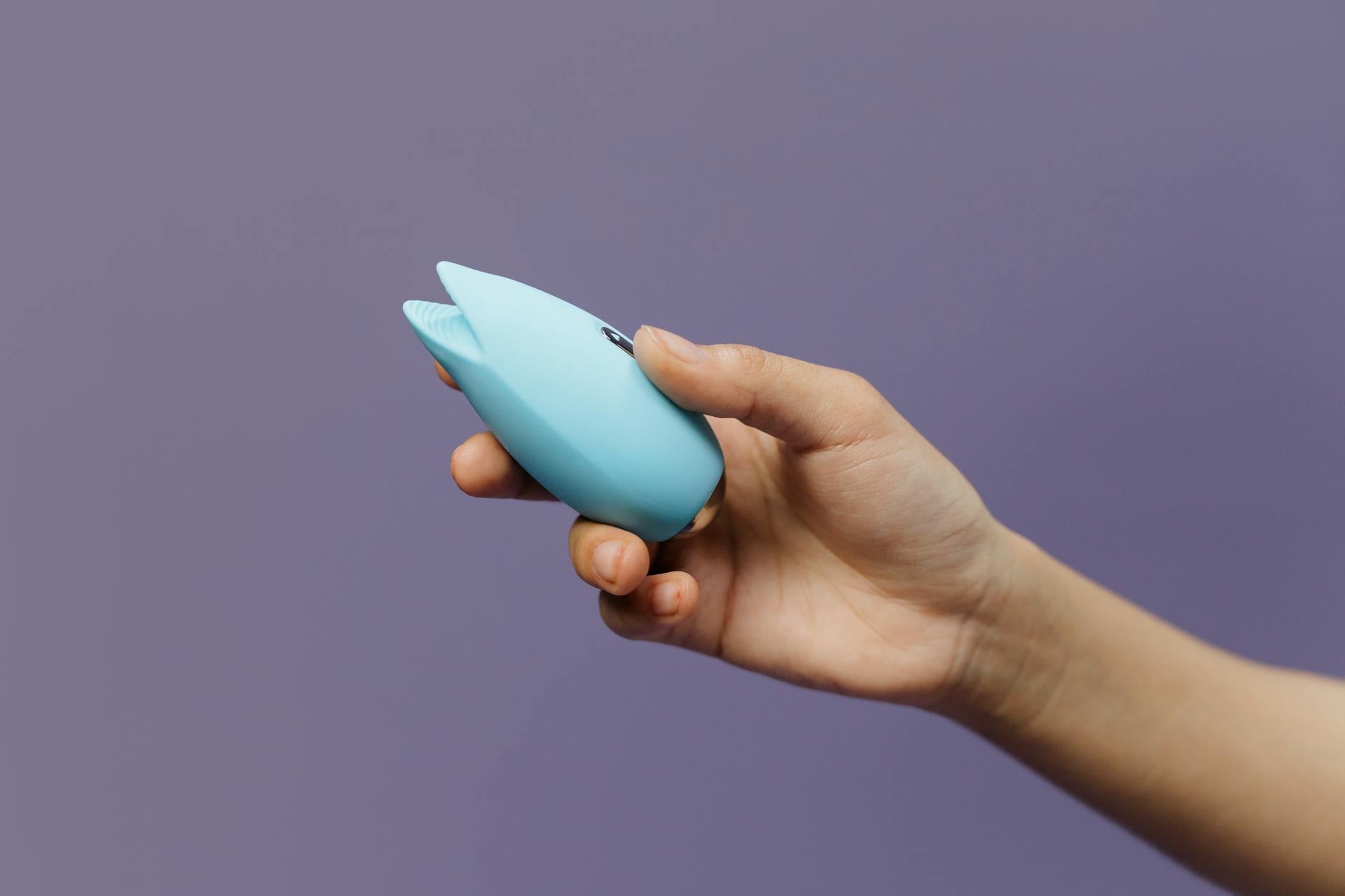
Here's why I recommend tools like the Lem specifically. A lemon clitoral vibrator is something you use together without performance pressure. One partner can hold it. The other can focus entirely on their own pleasure, their own body, their own breath. There's no choreography to memorize. No fear of disappointing your partner because the intensity is literally in your hands.
For couples rebuilding distance, this is gold. You're relearning touch without the anxiety that comes with intercourse. You're proving to each other that pleasure is still there, that desire hasn't actually died. It's just been sleeping.
The conversation that has to happen first
You cannot use a lemon vibrator with a partner you haven't been honest with. And I mean really honest. Not "I think we should try something new" (which feels like criticism). But something more like: "I miss feeling close to you. Not just sex. Touch. I've been scared to say that because I wasn't sure what you'd think."
That conversation is harder than using any toy. I know.
Start somewhere small. Not during sex. Maybe during a walk, or in the car, or sitting on the edge of the bed with the lights off. Say what you're noticing without blame: "I've realized we've been distant. I don't think either of us planned it. I think we both got afraid."
Then say what you want: "I want to feel you again. I want us to explore pleasure without it being so high-stakes."
If your partner responds with defensiveness, pause. This is information. They're probably feeling the distance too. Let them name it. Sometimes admitting distance makes room for repair.
How to introduce a lemon vibrator after becoming distant
If you've had the conversation, the next step is low-pressure. Show your partner the vibrator. Not during a romantic setup. Just during normal time. Maybe: "I've been thinking about trying something. Would you be curious about this with me?"
Listen for a genuine yes. Not a obligated yes. If they need time to think about it, great. That's honesty.
When you do try it together, follow this rhythm:
1. Start fully clothed. Really. This removes performance pressure completely. You can both focus on the sensation without worrying about how your body looks or what comes next.
2. Let your partner control the intensity. This is key. The receiving partner doesn't need to do anything except feel and respond. The partner holding the vibrator has agency. They're caring for their partner. That's intimate without being vulnerable in the traditional way.
3. Use it as a warm-up, not the whole event. Don't aim for orgasm right away. Just explore. See what speeds feel good. Notice where your partner's breathing changes. This is how you remember each other's bodies.
4. After, talk about what you noticed. Not what was sexy. What surprised you. What you want to try next time. This turns the experience into connection, not just sensation.
Why this works when emotional distance is the problem
When you've been distant, reconnection can't be rushed. But it also can't stay intellectual. You have to prove to your nervous system that it's safe to feel again. Pleasure does that. Not aggressive pleasure. Gentle, exploratory pleasure.
Using a lemon clitoral vibrator together does three things at once. It reminds you both that desire still exists. It gives you permission to focus on sensation without the pressure of penetration. And it creates a reason to touch each other again, to be present with each other, to be curious instead of defended.
I've had couples tell me that introducing a vibrator was the conversation that finally cracked the wall open. Not because the vibrator was magic. But because using it together meant admitting "I want this" and "I want this with you." That's the vulnerability that actual connection requires.
What comes next
One session with a lemon vibrator doesn't undo months of emotional distance. But it's a start. It's proof that reconnection is possible. After that first time, do it again. Let it become normal. Let it become the thing that reminds you both that you're not just co-parenting or co-managing life. You're partners who still want each other.
Some couples find that once they've relearned touch with a vibrator, penetrative sex feels natural again. Others never go back. Both are fine. The point isn't returning to how it was. The point is finding a way forward that feels good for both of you.
Emotional distance is fixed by choice. By showing up. By saying the hard things. A lemon vibrator is just a tool that makes that showing up a little easier.
People also ask
Does using a vibrator mean my partner isn't enough for me?
Not even close. A vibrator is a tool, like a massage chair or a hot shower. It doesn't replace your partner. In fact, when a couple uses a vibrator together, it usually deepens connection because you're literally on the same team. You're both invested in each other's pleasure. That's the opposite of distance.
What if my partner is uncomfortable with vibrators?
Honor that. Ask why. Sometimes discomfort comes from insecurity ("Will you need me?"). Sometimes it comes from shame about sexuality. Sometimes it's just unfamiliar. If they're truly not interested, forcing it won't help. But you can explore other ways to rebuild touch that feel safer for both of you. The goal is reconnection, not a specific tool.
Will a vibrator turn me off to my partner's touch?
No. In fact, the reverse is often true. When you're using a lemon clitoral vibrator, you're learning what your body likes. That knowledge makes partnered touch better, not worse. You know what to ask for. Your partner knows how to touch you. Everyone wins.
Should we use a vibrator only together, or can we use it solo?
Both. Solo use helps you reconnect with your own pleasure, which is foundational. Using it together rebuilds partnered intimacy. There's no rule here. What matters is that you're comfortable and honest about it.
How do I know if my partner actually wants to reconnect?
This is the real question, isn't it. Look for genuine yes. Not compliance. A partner who truly wants reconnection will be curious. They might be nervous, but they'll show up. If they consistently avoid the conversation, avoid touch, dismiss your needs, that's a different problem that needs real help. Consider talking to a couples therapist. Sometimes distance is a symptom of something deeper that requires professional support.
How often should we use a vibrator if we're rebuilding intimacy?
There's no magic frequency. Start with what feels natural. Maybe once a week. Maybe more. The goal isn't frequency, it's consistency. You're rebuilding a pattern of vulnerability and touch. Let that develop at its own pace. If you find yourself avoiding it again, name that too. Avoidance is information.
The real work
Lemon vibrators are wonderful tools. But they're not the thing that actually fixes emotional distance. You are. Your willingness to be honest. Your willingness to admit you want connection. Your willingness to be curious about your partner again instead of just managing them. A vibrator just makes that easier. It's the framework that lets you practice vulnerability in a lower-stakes way.
If you're feeling distant, you're not broken. Couples drift. That's normal. But staying drifted isn't. So reach across. Say the thing. And if a vibrator helps you remember how to touch each other, then that's exactly what it's there for.