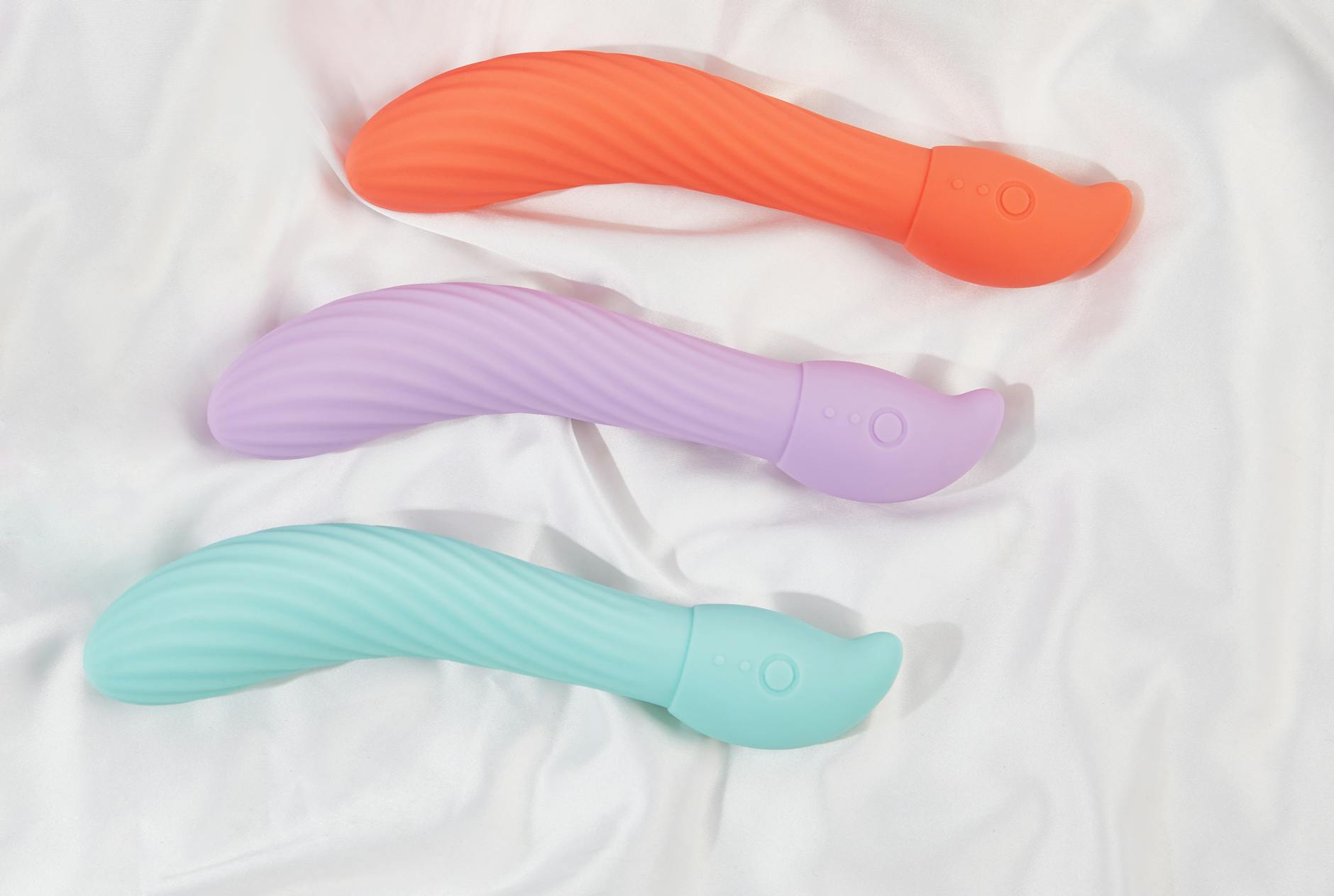
Let's start here: low desire is not a character flaw
You're not broken. You're not selfish. Your body isn't betraying you. Low desire comes for predictable reasons: stress, hormonal shifts, relationship friction, burnout, medication side effects, or sometimes just the weight of ordinary life compressing everything else into background noise. The question isn't why your desire disappeared. The question is how to work with what's actually happening right now.
Lemon suction toys like the Lem work differently when desire is slow to build, and knowing that difference changes everything about how you use them.
Why traditional vibrators can backfire when arousal is low
A conventional vibrator, no matter how good, usually requires some baseline arousal to feel good. Think of it this way: if you're not already partially turned on, intense vibration can feel numb, buzzy, or even uncomfortable. Your nervous system isn't primed yet. The tool shows up, but the body hasn't arrived.
This is exactly where most people quit. They blame the toy. They blame themselves. They assume desire is just gone permanently.
But suction-based clitoral vibrators work on a fundamentally different principle. Instead of rapid vibration numbing tissue, gentle suction creates a vacuum effect that feels more like sustained stimulation. It's less about speed and more about pressure and release. That distinction matters enormously when you're starting from a place of "not feeling much."
How suction changes the arousal equation
Here's the neurological part without the jargon: your clitoris has around 8,000 nerve endings concentrated in a tiny space. Vibration activates them through movement. Suction activates them through sustained pressure and the buildup of blood flow. Those are two different neural pathways. When traditional vibration leaves you cold, suction often wakes something up.
My clients with low desire consistently report that lemon vibrators feel noticeable even before full arousal kicks in. You're not waiting for the body to arrive before the toy makes sense. The sensation is present from pattern one. That changes the whole experience from "forcing myself" to "huh, I can feel that."
The Lem's gentler suction patterns (especially settings 1-3) give you space to warm up without overstimulation. Many people find that starting on the lowest setting actually builds desire rather than requiring desire to already exist.
The time variable: give arousal room to build
Low desire almost always needs more time. Not more pressure. More time.
If you typically opened with 10 minutes of foreplay before, you might need 20 or 30 minutes now. That's not a flaw in the process. It's just how your nervous system works right now. Stress, hormones, relationship stuff, or just aging shifts the timeline. Accepting that shift is half the battle.
With a lemon suction toy, use the first 10-15 minutes on the lowest setting without expecting anything. Let your body register the sensation. Focus on breathing. Let your mind settle. This isn't edging or performance. It's just showing up to what's actually happening.
Most people find that by minute 15 or 20, something shifts. The sensation starts to feel better. Arousal begins building. It's not the sudden spike you might remember from years ago. It's a slow climb. Let it climb.
Starting without expectation, and how that rewires everything
This is where I see the biggest shift in my therapy practice. When low desire is the baseline, the worst thing you can do is pressure yourself into immediate arousal. That pressure becomes part of the problem. Your body learns: sex equals performance stress. So sex becomes something to avoid.
Lemon clitoral vibrators actually help break that pattern because they're less demanding. You don't need to be halfway to an orgasm for them to feel good. You don't need to meet some invisible threshold. At setting one, on the lowest suction intensity, the toy simply feels pleasant. That's the entire goal for the first few sessions.
After a week or two of "pleasant," arousal often rebuilds on its own. Your nervous system relaxes. Your body stops bracing against the pressure. Then, incrementally, you explore settings 2, 3, and higher. The speed of that progression is entirely up to you.
Using suction toys with a partner when desire is low
If you're in a relationship and desire has dimmed, the stakes feel higher. Your partner might feel rejected. You might feel guilty. The pressure compounds. This is a moment to separate two conversations:
Conversation one: "My desire is lower right now. That's about stress and my body, not about you or us."
Conversation two: "Let's rebuild this together by removing the performance pressure and just exploring what feels good without a goal."
Introduce the lemon vibrator as a shared experiment, not a fix. Use it together without the expectation that it will lead to sex. Sometimes it will. Often it won't. That's fine. The goal is rebuilding sensation and connection in a low-pressure environment.
Many couples find that when the person with low desire gets to explore arousal on their own timeline, with a tool that doesn't demand performance, desire actually returns. Not because the toy is magic. Because the pressure lifted.
Adjusting for stress, hormones, and other blockers
Low desire doesn't happen in a vacuum. Usually it arrives because something else is happening: a major work deadline, hormonal shifts (whether menstrual cycle, birth control, or life stage), relationship conflict, health changes, medication side effects, or just the cumulative weight of being a person in 2026.
You can't separate the sexual piece from the life context. A lemon suction toy is a useful tool, but it's not a workaround for real stress. If the underlying blocker is relationship tension, a vibrator won't fix that. If it's hormonal, you might need to talk to your doctor. If it's work stress, you might need to actually address the work.
What lemon vibrators do is remove the friction from exploring sensation while you're addressing the root cause. They're a low-barrier way to stay connected to your body and your pleasure while everything else is being sorted.
Many of my clients report that just having that touchpoint with pleasure, even in low doses, helps them feel less broken. It keeps them tethered to themselves when everything else feels chaotic.
Troubleshooting: when even suction feels like nothing
If you try a lemon clitoral vibrator at the gentlest setting and feel nothing at all, that's data. It usually means one of three things:
First, you might need even more time than you think. Some people need three weeks of gentle exploration before sensation really registers. That sounds long because we're used to instant results. It's actually normal.
Second, you might benefit from more foreplay that doesn't involve any toy. Sometimes hands, mouth, or a partner's touch wakes things up before you introduce the vibrator. The vibrator comes in after the body has already started responding.
Third, you might need to talk to your doctor or therapist. If desire has flatlined completely and nothing is moving, that's worth investigating with a professional. It could be hormonal, it could be medication-related, it could be depression or anxiety masquerading as low desire.
The reframe that actually works
Here's what I tell people in my practice. Low desire is not a failure of your body. It's information. Your nervous system is telling you something needs to change. Maybe you need rest. Maybe you need to address a relationship issue. Maybe you need to talk to your doctor. Maybe you just need permission to slow down.
A lemon vibrator, at its best, is permission. It says: your pleasure matters even when you're not at peak arousal. Your body is still worthy of attention. Sensation is available to you at whatever pace you're actually at. And desire can rebuild from here, on your timeline, without performance pressure.
That's not nothing. For many people, it's everything.
FAQ
How long does it take for a lemon vibrator to help rebuild desire?
Timeline varies widely, but most people report noticeable shifts within 2-3 weeks of consistent, low-pressure exploration. Some people see changes within days. The key is removing the expectation that desire will return immediately. You're retraining your nervous system to associate pleasure with relaxation, not performance. That takes time. But it works.
Can I use a lemon suction toy if I'm on antidepressants or other medications that affect desire?
Absolutely. In fact, lemon clitoral vibrators are often easier to use when you're on medications that dampen arousal because they require less baseline desire to feel satisfying. That said, if the medication is the primary blocker, talk to your prescriber. Sometimes adjusting timing, dose, or type of medication helps. The toy is a complement, not a replacement for that conversation.
What if my partner pressures me to use a lemon vibrator to "fix" the low desire problem?
That's a relationship issue, not a pleasure issue. A toy cannot fix desire that's being crushed by pressure or resentment. If your partner is pushing you toward sex or solutions before you're ready, that's a sign you need to address the relationship dynamic first. Consider working with a couples therapist. The vibrator comes after the foundation is solid, not before.
Is it normal for a lemon clitoral vibrator to feel uncomfortable at first if desire is low?
Yes, that's common. Low desire often comes with some disconnection from your body. The first few times you use a vibrator, the sensation might feel foreign or even a little overwhelming. Start at the absolute lowest setting, use it for just 5-10 minutes, and stop if it feels bad. Your body will acclimate. This isn't about pushing through discomfort. It's about gentle, consistent exposure until the sensation feels normal.
Can using a lemon vibrator on low settings actually increase my natural desire over time?
Often yes, but not because the vibrator is magical. When you remove performance pressure and reconnect with sensation in a low-barrier way, your nervous system relaxes. A relaxed nervous system is better at producing arousal. So indirectly, yes. The vibrator creates the conditions where desire can return. It doesn't manufacture desire itself.
Should I tell my partner I'm using a lemon suction toy if desire is low in our relationship?
That depends on your relationship agreement. Some couples share everything. Some prefer privacy around solo exploration. There's no universal right answer. What matters is honesty and connection. If you're using the toy as a way to understand your own body so you can eventually reconnect with your partner, that's healthy. If you're hiding it because you're afraid of judgment, that might point to a larger relationship issue worth addressing.