
Here's what nobody tells you about solo pleasure
Masturbation isn't supposed to feel like a chore. But somewhere between your first intentional orgasm and, well, now, it can start to feel automatic. You know exactly what works. You get the job done in six minutes. And that's also the problem.
When pleasure becomes mechanical, you're not actually absent from your body. You're distracted from it. There's a difference.
Why disconnection happens (and it's not what you think)
Most people assume mechanical pleasure means low desire. That's backwards. It usually means you've become so efficient at triggering your orgasm reflex that the rest of the experience has fallen away. You've optimized the destination and lost the journey.
There are three common entry points to this state. First, routine itself. You develop a specific rhythm, pressure, fantasy, or sequence that reliably gets you there. Your nervous system loves this. Efficiency feels good. But your brain and body start to tune out the novelty, which means less actual sensation, less arousal buildup, and less satisfaction even when you do orgasm.
Second, stress or life transition can numb sensation without you realizing it. Grief, work pressure, relationship changes, or hormonal shifts can create a kind of protective numbness. Your body stops sending strong signals. Pleasure feels blurry. You go through the motions because you know you should, not because you actually feel it.
Third, comparison and performance anxiety. If you've spent years optimizing for speed, or if you've internalized pressure about "being good at sex," even solo you might be performing rather than feeling. Your inner critic is narrating the experience instead of your senses.
Why lemon vibrators change the equation
Lemon clitoral vibrators work differently than standard vibrators. They use air-suction technology instead of mechanical buzzing. That distinction matters when you're trying to reconnect with sensation.
With suction, the stimulation feels more like a mouth and less like a motor. Your nervous system reads it as something alive, responsive, and new. Even if you've used lemon vibrators before, if you're approaching the experience from a place of disconnection, using one intentionally can reset your nervous system's baseline.
The suction pattern also makes it harder to phone it in. You can't autopilot through a session the same way. The sensations are richer and more varied, which means your brain has to actually show up.
The reset protocol
If solo pleasure has become disconnected, here's how to rebuild it.
Step one: Remove the goal. I mean this literally. Don't set out to have an orgasm. Set out to notice sensation. That's the whole mission. You're not trying to get anywhere. You're trying to feel the journey.
Budget 30 to 45 minutes for this. Yes, that's longer than usual. That's the point. You're interrupting the efficiency loop.
Step two: Slow down the entry. Spend 10 to 15 minutes just touching yourself without the lemon vibrator at all. Notice where you feel pleasure, where it's numb, where it feels tender or sensitive. Most people skip this step. Don't. This is where you reconnect with your body's actual map, not your imagined one.
Step three: Introduce the lemon at low intensity. The lem vibrator comes with multiple settings. Start at level one or two. Place it against your clitoris without any particular rhythm or expectation. Just notice. Does the sensation feel sharp, dull, warm, cold, radiating? Describe it to yourself silently. This sounds strange, but narration engages your prefrontal cortex, which is what disconnection tries to escape.
Step four: Vary the pattern. Once you've noticed baseline sensation, try different patterns and intensities. Spend two to three minutes on each. You're not looking for the "best" one. You're breaking the habit of always using the same approach.
Step five: Bring fantasy or presence back in, if it helps. Some people reconnect by returning to fantasy that actually turns them on. Others need to be fully present with physical sensation. Neither is wrong. The key is that you're choosing consciously, not defaulting.
The emotional side of mechanical pleasure
Sometimes disconnected pleasure isn't about efficiency. It's about ambivalence about desire itself. If you've internalized the idea that wanting pleasure is selfish, or if you're carrying grief or shame about your body, disconnection can feel safer than full engagement.
That's deeper work than a toy can fix. But a tool like a lemon vibrator can help you practice feeling without the old stories attached. Using lemon adult toys in a new, intentional way can feel like permission to want again.
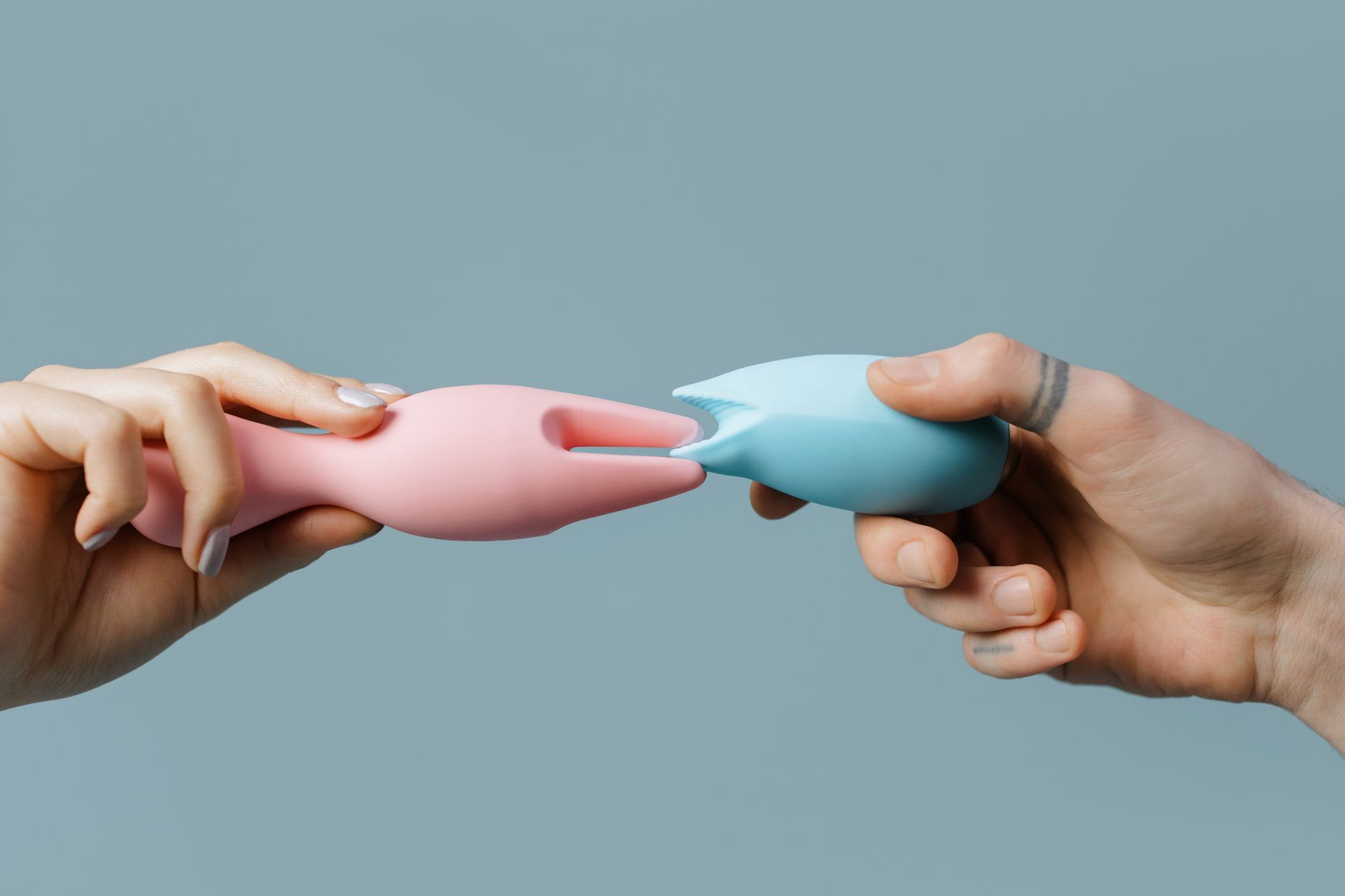
Photo by cottonbro studio on Pexels
How this connects to partnered pleasure
Solo disconnection often leaks into partnered sex. If you don't actually feel your own pleasure solo, you'll struggle to feel it with a partner. The good news is the reverse is also true. Rebuilding authentic sensation alone helps you bring that aliveness back to shared experiences.
When you know what real sensation feels like for you, you can communicate it. You stop performing and start being. That's where actual intimacy lives.
The long game
Reconnecting with solo pleasure isn't about becoming addicted to the lem vibrator. It's about rewiring your nervous system's baseline. Once you've spent a few weeks approaching pleasure as exploration instead of achievement, your body remembers. You bring that presence to future experiences.
Most people find that after two or three weeks of this approach, pleasure stops feeling mechanical. Orgasms get better. The in-between feels better. And you're having sex (solo or partnered) because you want to, not because you think you should.
If disconnection runs deeper, if it's tied to trauma or persistent numbness, that's worth exploring with a therapist. But for the simple case of efficiency-based disconnection, intentional practice with a tool that feels fresh can be genuinely restorative.
FAQ
Can a lemon vibrator really help if I've stopped feeling pleasure?
It depends on the root cause. If you've become numb to solo pleasure because your routine is too predictable, yes. The newness and different sensation of air-suction technology can help reset your nervous system. If numbness is from depression, medication, or trauma, a vibrator is a helpful part of the picture but not the whole solution. Consider talking to a therapist alongside exploring with the tool.
How long does it take to feel like solo pleasure is authentic again?
Most people notice a shift within two to three weeks of consistent, intentional practice. The key is consistency and removing the pressure to orgasm. You're literally rewiring habit pathways. That takes repetition, but it's fast if you're willing to be patient with the process.
Is it normal to feel weird or anxious when I slow down and actually pay attention?
Completely normal. Many of us have learned to numb into pleasure or rush through it. When you slow down, old feelings come up. You might feel exposed, anxious, or sad. That's not a sign you're doing it wrong. Sit with it. Breathe. Keep going. Those feelings are often what disconnection is protecting you from.
Should I use fantasy while I'm reconnecting with sensation?
You don't have to, but you can. Some people find that familiar fantasy helps them ease back into pleasure. Others find that fantasy has become a way to escape their body, and they need to practice being present without it. Experiment. There's no rule.
What if the lemon vibrator still feels mechanical after a few weeks?
Try varying it more. Alternate between the lemon and other touches. Use it in different positions, different rooms, different times of day. Boredom with a tool is different from disconnection from pleasure. If you're consistently bored and numb even with newness, that's a sign to check in with a therapist. Persistent numbness can indicate depression or other shifts worth professional attention.
Can I use this approach if I'm with a partner and want to rebuild solo pleasure?
Absolutely. In fact, rebuilding solo pleasure often helps partnered pleasure. You might tell your partner, "I'm doing some intentional work on sensation and presence. I'm going to take more time alone for a few weeks." Most partners respect that. When you return to partnered sex with better presence and clarity about what you actually feel, both of you benefit.
Final thought
Pleasure isn't supposed to feel like a task. When it does, that's not a flaw in you. It's a signal that something in your approach needs to shift. A lemon clitoral vibrator can help with that shift, but the real work is bringing attention and presence back to your own body. That's where disconnection heals.
Ready to explore reconnection more? Learn how lemon vibrators help when arousal takes longer to build, or discover strategies for presence when you feel disconnected from pleasure after relationship changes. And if deeper patterns are at play, reach out to talk through what might help.