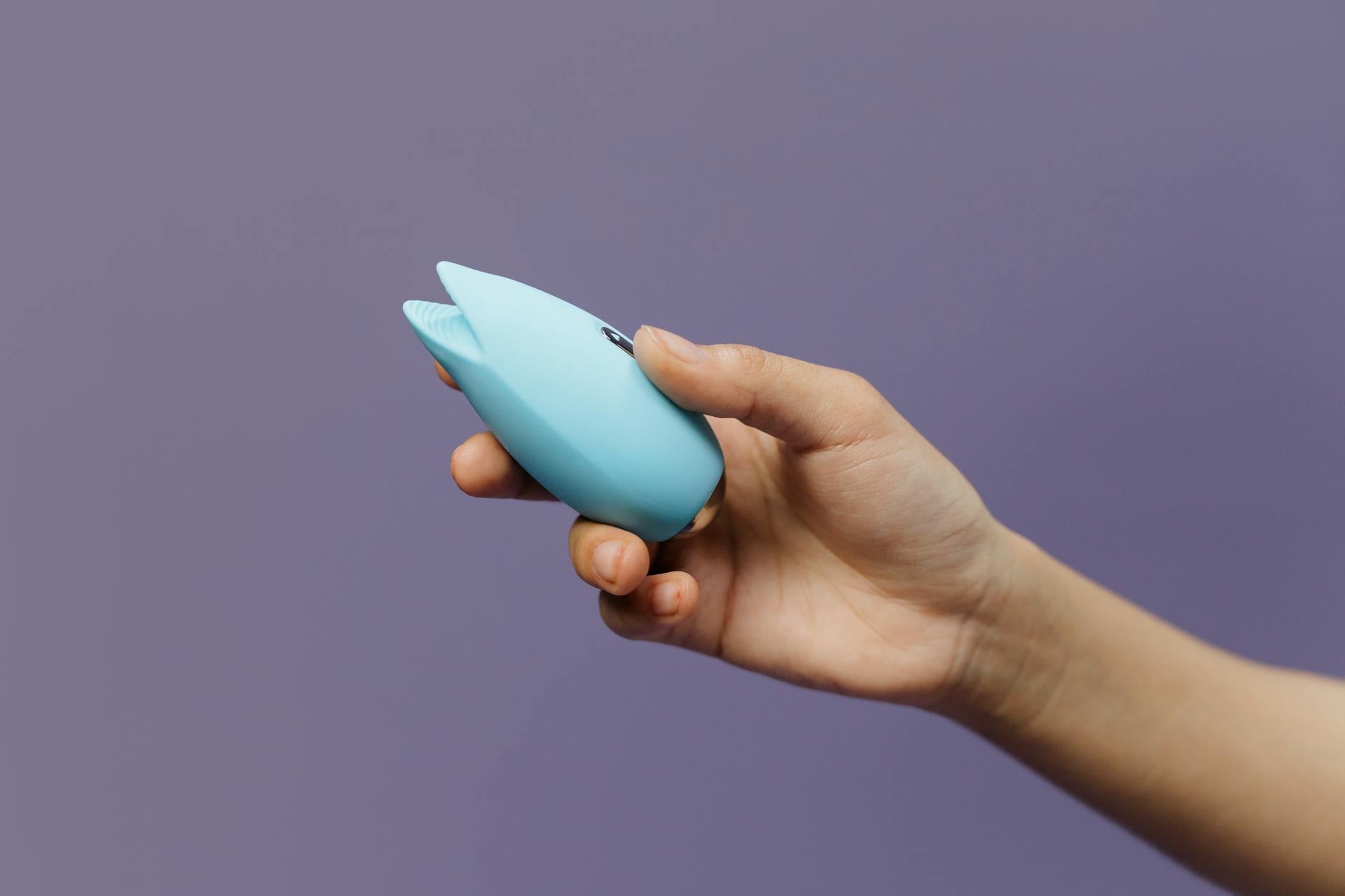
Let's start with what's actually happening
Clitoral overstimulation is real. Your body isn't rejecting pleasure. What's happening is that constant, high-intensity stimulation can numb sensation or create a kind of reversal. The nerve endings get overwhelmed and stop firing the way they should. You might feel pain, intense discomfort, or just... nothing. Your nervous system hits pause.
The good news is that this isn't permanent, and it's not a reason to stop using lemon vibrators or clitoral vibrators entirely. It's a reason to use them differently.
Why sensation overload happens
Your clitoris has roughly 8,000 nerve endings concentrated in a tiny area. That's a lot of sensitivity packed into a small space. When you apply intense stimulation for too long, or start at high intensity without warm-up, those nerves can enter a state where they stop responding clearly. Some people describe it as numbness. Others say the stimulation starts to feel sharp or uncomfortable. Both are signs of overstimulation.
A few things make this more likely to happen:
Pattern fatigue. If you use the same vibration pattern every single time, your nervous system adapts to it. The novelty drops, and the intensity needs to increase to get the same result. That's a dead-end spiral.
No off-ramp. Many people start at medium or high intensity because they're chasing orgasm on a timeline. When you skip the warm-up and go straight to intensity, the nerve endings can fire erratically, which registers as overwhelming rather than pleasurable.
Dehydration and hormones. Tissue thickness and sensitivity fluctuate with your cycle, hydration, and blood flow. Days when you're tired or dehydrated, the same lemon vibrator intensity can feel like too much.
Anxiety underneath. Sometimes what feels like overstimulation is actually your nervous system in a low-key fight state. You're not relaxed enough to let sensation in, so you interpret it as too much.
The reset protocol
If you're currently in overstimulation (sensation feels numb or raw), take a break. Not forever. A few days. Your nerve endings need time to return to baseline. This is not failure. This is maintenance.
When you return to your lemon clitoral vibrator, start here:
Day 1: Indirect stimulation only. Don't touch the clitoris directly. Instead, use the vibrator on the inner labia, the area above the clitoris (over the mons), or the outer vulva. The sensation still reaches the nerve endings, but with a buffer. Spend 5-10 minutes just noticing what you feel. No orgasm agenda.
Day 2: Pulsing, not constant. Use the pulse or burst setting on your lemon vibrator instead of continuous vibration. This gives your nerve endings time to rest between stimulation cycles. Most good clitoral vibrators have a pulse mode built in. The Lem's pulse pattern is gentler than continuous suction, which makes it ideal for this phase.
Day 3: Warm-up first, then low setting. Spend 10-15 minutes on indirect stimulation before moving to the clitoris directly. When you do, start at pattern 1 or 2 if your toy has numbered settings. You're retraining your nervous system to recognize pleasure at lower intensities.
Days 4 onward: Build slowly. Only increase intensity if low feels genuinely boring, not just because you're impatient. The goal is to get back to pleasure. That takes patience.
Practical techniques to avoid overwhelm
Honestly though, the best strategy is not needing a reset in the first place. Here's how to use a lemon vibrator in a way that keeps sensation alive and engaging without tipping into overload.
Rotate patterns every 5-7 minutes. If your toy has multiple vibration patterns, cycle through them. This keeps your nerve endings from adapting to one rhythm. Your clitoris stays responsive.
Use the toy at the edge, not dead-center. Lemon vibrators and other clitoral suckers work by creating suction. You don't need the opening directly over your clitoris to feel it. Positioning it slightly to one side or over the clitoral hood gives you the benefit without the intensity overload.
Introduce variability. Change the angle, the pressure, the speed, the pattern. Stop for 10 seconds. Resume. Your nervous system stays engaged instead of habituating to one sensation.
Reframe intensity as a tool, not a destination. Low intensity can absolutely get you to orgasm. It just takes longer and requires you to stay present. For a lot of people who've spent years chasing high-intensity orgasms, this feels weird at first. But it's often where the most sustained pleasure lives.
Lubrication matters. A good water-based lubricant doesn't just reduce friction. It creates a smoother glide and distributes sensation more evenly across the nerve endings. This actually reduces the likelihood of overstimulation because the intensity is distributed rather than concentrated.
What's actually happening in your brain
Your clitoris is connected to multiple areas of your brain. When sensation becomes overwhelming, it's often because your brain's threat-detection system has kicked in. Overstimulation can feel like danger, so your nervous system shuts down sensation as a protective measure.
This is why context matters so much. If you're tense, anxious, or not fully present, a lemon vibrator that felt amazing last week can feel unbearable this week. Same toy, different nervous system state.
If you notice that sensation feels overwhelming even at low intensity, and it's not a physical overstimulation issue, that might be worth exploring with a therapist or somatic practitioner. Sometimes sensitivity is connected to old pain, trauma, or anxiety patterns that live in the body.
When to see someone
If you're experiencing genuine pain during clitoral vibrator use, not just discomfort or numbness, check in with a gynecologist. Conditions like vulvodynia or dermatological irritation need professional care, not just a reset protocol.
If overstimulation persists even after taking breaks and adjusting your approach, a pelvic floor physical therapist can help. Tension in the pelvic floor can make sensation feel chaotic. They have tools to help you retrain how that area responds.
The permission you actually need
Pleasure doesn't have to be intense to count. A slow, low-intensity session with a lemon vibrator where you're fully present is objectively better than a high-intensity session where you're numb. Your sensitivity is a feature, not a bug. Learning to work with it, not against it, is where the best pleasure lives.
People Also Ask
How long does it take for overstimulated clitoris sensation to return to normal?
Most people notice improvement within 3-5 days of taking a break from clitoral vibrator use. Full sensitivity usually returns within a week or two. The timeline depends on how intense the overstimulation was and your individual nerve responsiveness. If you're still noticing numbness after two weeks, a break followed by the reset protocol above should help.
Can using a lemon vibrator on pulse mode prevent overstimulation?
Yes, absolutely. Pulse mode is gentler than continuous vibration because it gives your nerve endings time to rest between stimulation cycles. If you're prone to overstimulation, building your sessions around pulse patterns and indirect stimulation can help you avoid reaching that overwhelmed point in the first place.
Is overstimulation the same as desensitization from using vibrators too much?
They're related but not identical. Desensitization happens gradually over time and is usually about needing more intensity to feel the same effect. Overstimulation is acute. It happens during or immediately after a session and can show up as numbness, rawness, or discomfort. Both can be addressed with breaks and intentional, varied stimulation. The key is pattern rotation and not defaulting to maximum intensity.
What position works best with a lemon clitoral vibrator when sensation feels sensitive?
Indirect positioning is your friend. Instead of placing the lemon suction directly over your clitoris, try positioning it over the clitoral hood or slightly to one side. You can also use it on the inner labia or the area above the clitoris. This distributes sensation and reduces the concentrated intensity that triggers overwhelm. Many people find that moving the toy around, rather than holding it still, also helps keep sensation balanced.
Can lubrication help with overstimulation sensitivity?
Yes. Water-based lubricant creates a smoother experience and distributes sensation more evenly across your tissue. This actually reduces the chance of overstimulation because the intensity isn't concentrated in one spot. Lubrication also helps your lemon vibrator glide rather than tug, which can feel less intense even at the same speed setting.
Should I stop using clitoral vibrators if I experience overstimulation?
No. Overstimulation is a sign to adjust your approach, not abandon the tool. Most people who experience overwhelm can return to using their lemon vibrator comfortably by taking a reset break, starting at lower intensity, using pulse settings, and rotating patterns. Your clitoral vibrator isn't the problem. How you're using it is the variable you can change.