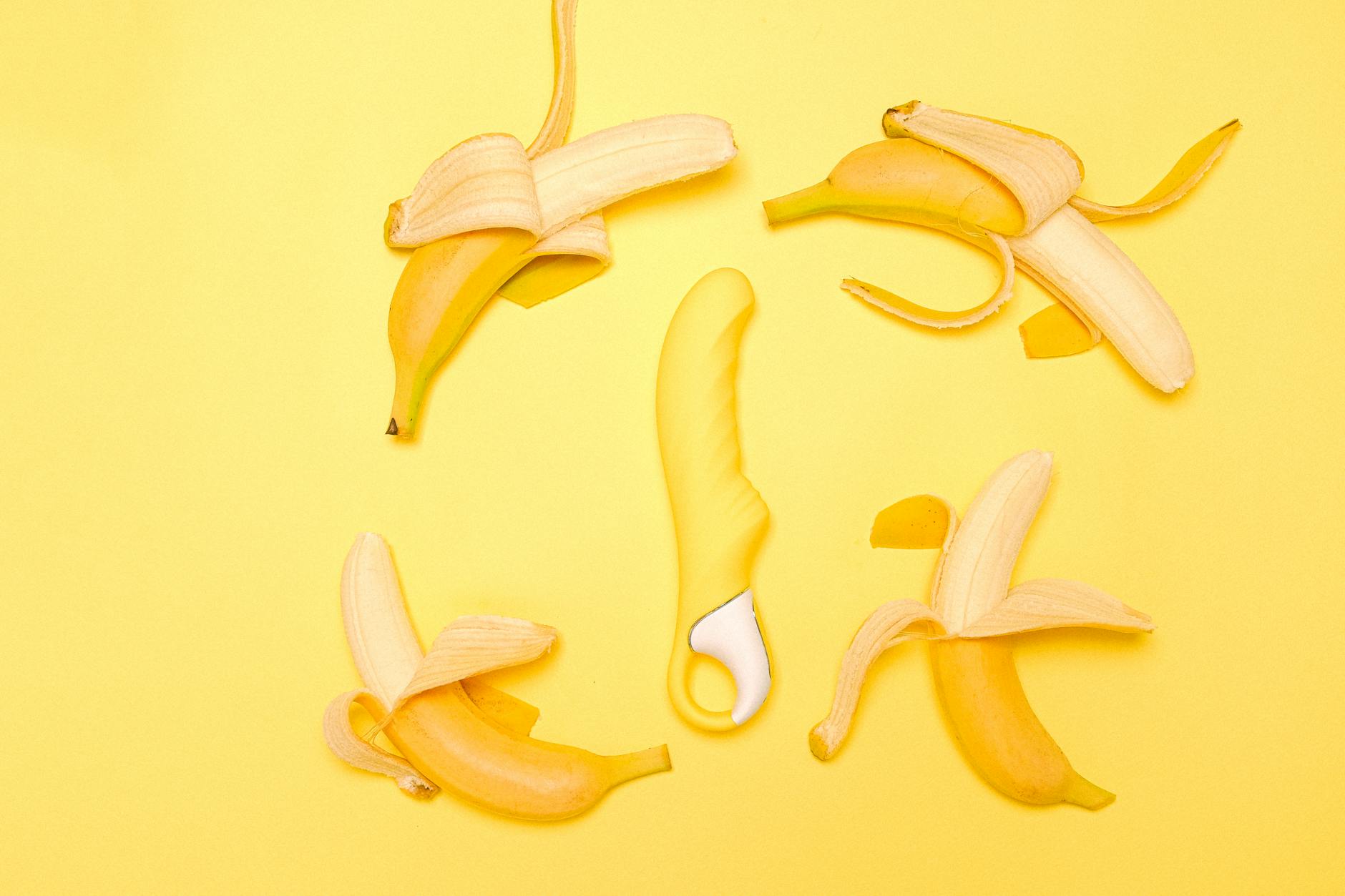
Let's name what's actually happening
Emotional distance and physical disconnection feed each other. You haven't touched your partner in months. They've stopped asking. You've stopped wanting. And now the idea of physical intimacy doesn't feel like pleasure. It feels like obligation, or worse, like starting from scratch with someone who's supposed to know you.
Here's the thing: your body isn't broken. It's protecting you. When emotional safety disappears, arousal doesn't just politely wait. It locks down. The nervous system reads distance as danger, and suddenly touch feels triggering instead of connecting.
But this is reversible. And lemon vibrators can be part of getting there.
Why emotional distance kills physical touch
There's solid neuroscience here. When you feel emotionally disconnected from a partner, your vagus nerve stays in a sympathetic state (fight, flight, freeze). That's the opposite of what your body needs to aroused, which is parasympathetic activation (rest, digest, connect).
You can't think your way into arousal, and you can't force your nervous system to relax through willpower alone. But you can create conditions where it wants to.
The problem with waiting for your partner to fix it first: intimacy needs to start somewhere. If both people are waiting for the other to initiate, you're stuck. One person has to move first. That person is often you, using tools like a lemon clitoral vibrator not to perform for your partner, but to rebuild trust with your own body.
Starting with solo pleasure as reconnection
I know this sounds counterintuitive. Shouldn't reconnection involve your partner?
Yes. Eventually. But not first.
When you've been emotionally distant, your nervous system needs to remember what safe arousal feels like. Solo pleasure with a lemon vibrator does something important: it reminds your body that you're in control. You set the pace. You choose what feels good. No performance. No watching for their reaction. Just sensation.
Start in a space where you feel genuinely safe. Not the bedroom (if that's where resentment lives). Not rushed. Maybe 20-30 minutes, phone off, door locked.
A lemon sucker like the Lem works beautifully here because suction stimulation is different from friction. It engages nerves without the intensity that can feel overwhelming when your nervous system is already activated. Low settings (pattern 1-2) give your body time to remember what pleasure actually feels like.
The goal isn't orgasm. The goal is sensation without pressure. Weirdly, when you release the pressure to come, orgasms often show up naturally.
How physical touch rebuilds emotional connection
Once you've reconnected with your own arousal, the nervous system is primed for something new. You're not coming to your partner from a place of "I have to want you." You're coming from a place of "I actually felt good, and I'm curious if that's possible with you too."
That's a completely different energy.
Now, introduce touch with your partner. This doesn't mean jumping to sex. It means slow, intentional physical contact: hands, skin, time. Many couples who've been emotionally distant need to rebuild basic affection first. Kiss hello. Sleep touching. A hand on your back.
If you want to bring a lemon clitoral vibrator into partner play, do it as an addition, not a replacement. Some partners worry that toys mean they're not enough. Frame it differently: "This helps me relax, which helps me enjoy you more." That's true, and it shifts the narrative from replacement to enhancement.
What safe reintegration looks like
Take this in steps.
Step 1: Solo reconnection. Two weeks minimum of solo play with your lemon vibrator, no partner involved. Just you learning what feels good again.
Step 2: Foreplay without expectation. Touch with your partner, maybe 15-20 minutes, with zero pressure to move toward sex. This is about rebuilding comfort with their hands, their presence.
Step 3: Introduction. If it feels right, use your lemon vibrator during foreplay. Let your partner watch. Let them understand that it's not about them failing you. It's about creating conditions where arousal can happen.
Step 4: Integration. Over time, the vibrator becomes one part of a bigger picture of touch. Sometimes solo. Sometimes with your partner. Sometimes during sex, sometimes not.
The timeline here matters. Rushing this creates pressure, which reactivates your nervous system's shutdown response. Slow is not lazy. Slow is how reconnection actually works.
Talking about it (finally)
None of this works without conversation. But here's what doesn't work: "I want us to have more sex." That leads directly to pressure and resentment.
What does work: "I've noticed I've felt disconnected from my own body. I'm working on that. I want us to rebuild this together, but I need to do some of this on my own first."
That tells your partner you're not blaming them. You're taking action. And you're inviting them in, but on a timeline that actually works.
Then, later: "I've been using a vibrator to help me reconnect with what feels good. Would you want to explore that together sometime?"
Simple. Clear. No performance energy. And it gives your partner the option to participate without pressure.
When professional help is worth it
If emotional distance has been going on for years, or if there's been infidelity, betrayal, or neglect underneath it, a sex therapist or couples counselor isn't a luxury. It's infrastructure.
A lemon vibrator helps with the physical piece. But if the emotional rupture is serious, you need someone trained to help both of you understand what happened and whether reconnection is actually possible.
That said, rebuilding physical intimacy (even with professional support) can actually accelerate emotional reconnection. Touch activates bonding neurochemistry. Pleasure builds safety. So using tools like clitoral vibrators while you're doing the deeper emotional work often speeds up the healing timeline.
The reality check
Emotional distance doesn't vanish because you have a good orgasm. It just doesn't. But reconnection often starts with the body finding its way back to pleasure and safety. Once your nervous system trusts that touch is okay again, the conversation and intimacy and partnership stuff becomes possible.
A lemon vibrator is a tool for that first step. It's permission to feel good. Permission to want again. Permission to rebuild something that maybe looked dead but was just asleep.
People also ask
Can using a vibrator alone make emotional distance go away?
No. Solo pleasure reconnects you with your own body and can help your nervous system shift out of protection mode. But emotional distance requires actual communication and often professional support to untangle. Think of the vibrator as clearing space in your body so that reconnection becomes possible. Not as the cure for the distance itself.
My partner feels threatened by the idea of me using a lemon vibrator. How do I handle that?
Their worry usually isn't about the vibrator. It's about fear that they're not enough, or that you're losing interest in them. Start by naming that: "I get why this feels scary." Then separate the two things: "This isn't about you. This is about me rebuilding connection with my own pleasure." If they stay resistant after that conversation, couples therapy can help both of you understand what's really underneath the resistance. Often it's about insecurity that deserves attention.
How long does it usually take to rebuild physical intimacy after emotional distance?
It depends on how deep the distance goes and whether both people want to rebuild it. Light distance might improve in 2-3 months of intentional work. Deep rupture might take 6-12 months, especially if there's been betrayal. The timeline matters less than consistency. Regular solo exploration with a lemon clitoral vibrator (weekly, even briefly) plus intentional touch with your partner shifts the needle faster than sporadic effort.
Is it weird to use a lemon vibrator if I've never used one before and things are already tense?
Not at all. Actually, sometimes starting fresh with a tool is easier than trying to recreate old patterns that aren't working. A lemon sucker like the Lem is intuitive and gentle. No complicated learning curve. And because it's new to both of you, it doesn't carry the baggage of "remember when we used to..." It's purely forward movement.
What if I don't want to reconnect with my partner, but I'm using this as a way to figure that out?
That's real and valid. Sometimes rebuilding physical connection shows you something important: that you actually want to rebuild the relationship. Sometimes it shows you the opposite. Solo pleasure with a lemon vibrator is also about listening to your own body and what it's telling you about whether this partnership is right for you. Trust that signal.
Can a lemon vibrator help if one partner wants intimacy and the other doesn't?
It can be part of the conversation, but it's not a solution for a fundamental mismatch in desire. If one person wants regular intimacy and the other feels nothing, that's a compatibility issue or sometimes a sign of depression, medication side effects, or relationship problems that need addressing. A toy helps with physical sensation. It doesn't fix desire gaps. That's when you need a therapist or sex educator to help you both figure out what's actually driving the mismatch.
The path forward
Reconnection after emotional distance starts with permission. Permission to want again. Permission to feel pleasure without guilt. Permission to take care of your own nervous system so that partnership becomes possible again.
A lemon vibrator is one way to give yourself that permission. It's not the whole solution, but it's often the first step that makes everything else feel possible.
If you're stuck in this pattern and want support thinking through next steps, reach out to us. We're here to help.