Let's talk about the thing nobody wants to name
Penetration hurts. For some people, it always has. For others, it started recently. Either way, the automatic assumption is that pleasure stops here. It doesn't. What stops is one particular route to sensation. Everything else remains wide open.
Pain during penetration comes from a lot of different sources: vaginismus, vulvodynia, endometriosis scar tissue, pelvic floor tension, hormonal shifts, or sometimes just anatomical fit. The cause matters for treatment, but it doesn't change what we're talking about right now: how to have extraordinary pleasure without that particular type of stimulation.
Here's what I've seen work over and over in my practice: when penetration is off the table, people often discover their most satisfying orgasms. Not as a consolation prize. As the real thing.
Why clitoral pleasure becomes the main event
The clitoris has 8,000 nerve endings concentrated in an area smaller than a pea. Penetration pleasure is real, but it's distributed across a much larger surface with fewer sensory receptors. If penetration is painful or impossible, you're not losing pleasure. You're redirecting focus to the most sensitive nerve cluster your body has.
This is not a downgrade. Ask anyone who's spent years chasing blended orgasms only to discover that clitoral stimulation alone hits harder.
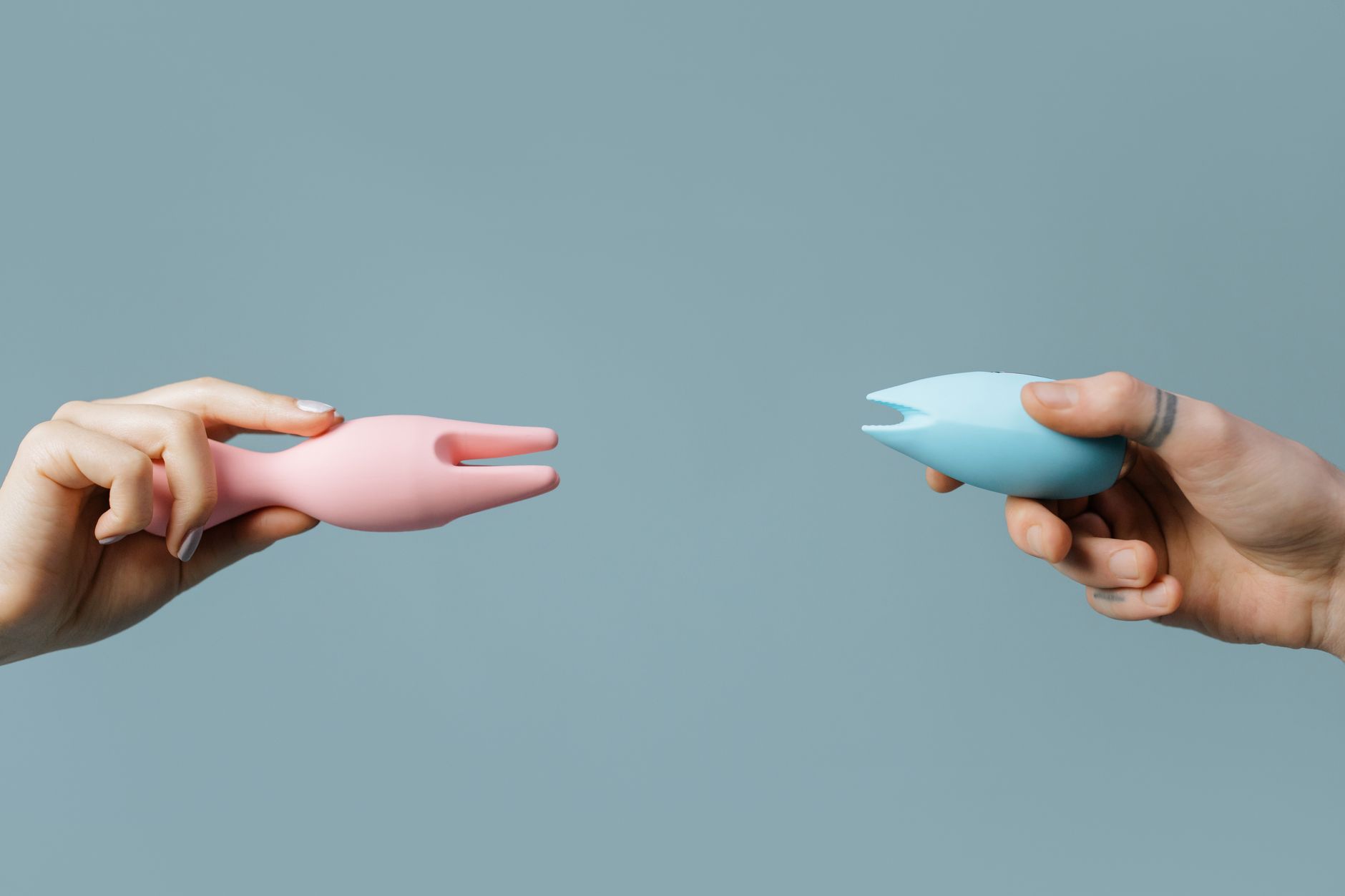
A quality lemon clitoral vibrator like the Lem uses suction technology rather than vibration. This matters when pain is present. Suction engages nerves without the friction or pressure that can feel sharp or triggering for someone with vulvodynia or vaginismus. You're stimulating with gentle negative pressure instead of contact force. The sensation is entirely different from a traditional vibrator, and for many people with penetration pain, it's the difference between manageable and blissful.
The nervous system reset that happens without pressure
When penetration causes pain, the pelvic floor learns to brace. Your body anticipates threat and tightens as protection. Over time, this becomes automatic. Even when you want to relax, the muscles don't cooperate.
What's counterintuitive: removing the triggering stimulus (penetration) can actually help the nervous system reset. When you experience pleasure without the threat signal, your brain starts uncoupling sex from pain. The pelvic floor gradually learns that this particular activity is safe.
Clitoral stimulation with a lemon sucker does something specific here. The sensation is localized, predictable, and controllable. You manage the pressure and intensity. Your partner isn't creating sensation you didn't ask for. This sense of control is neurologically calming. Your parasympathetic nervous system activates instead of staying locked in fight-or-flight mode.
After weeks or months of pleasure without pain, many people find that the pain response itself begins to soften. Not because the underlying condition changed, but because the nervous system learned a new association.
Building pleasure architecture that works with your body
If penetration is off limits, your pleasure landscape needs different scaffolding.
Start with external-only sessions. No expectation of partnered sex, no pressure to transition. Just you, a lemon vibrator, and however long you want to spend. Many people discover that the most intense orgasms of their lives come from this kind of focused clitoral work. You're not missing the "other part." You're finally getting all the attention.
Experiment with pattern and intensity. The Lem and other lemon clitoral vibrators typically have multiple suction intensities and patterns. Start at the gentlest setting. Your nervous system might be hypersensitive after months of protecting against pain. Let yourself adjust. You can always increase intensity. You can't un-feel overstimulation.
Layer in kegel work, but backward. Most guides tell you to squeeze. If you have vaginismus or pelvic floor tension, squeezing is what got you here. Instead, practice releasing. During pleasure with the vibrator, focus on the exhale. Let your pelvic floor soften on purpose. This rewires the automatic tightening pattern.
If you have a partner, build non-penetrative intimacy. Penetration isn't the only way to be intimate or sexual together. Mutual masturbation, oral sex, using toys on your partner while they use one on you, lots of skin contact without genital focus. Many couples who move away from penetration report their emotional intimacy actually deepens because the pressure lifts.
When pain says something needs to be checked
If penetration causes sharp pain, burning, or pain that's newly appeared, see a gynecologist or pelvic health specialist before assuming this is your baseline. Some causes of penetration pain are easily treatable. Vaginismus responds well to progressive exposure and physical therapy. Vulvodynia has topical and systemic treatments. Endometriosis scar tissue might be surgically addressable. Hormonal issues might need topical estrogen or other support.
None of this means you can't use a lemon clitoral vibrator in the meantime. It means getting clarity about what's actually happening so you can treat it properly if treatment exists.
The psychological shift that matters most
Here's what I see happen in couples counseling when one partner has pain and the other wants to maintain sexual connection: the relationship improves when they stop treating penetration like the "real sex" and everything else like the warm-up.
Clitoral pleasure is not foreplay. It's not a consolation. It's not something you do before "getting to the good part." For most people with clitorises, it IS the good part. For anyone with penetration pain, it's the path to pleasure that actually works.
When you stop fighting your body and start listening to it, something shifts. The vibrator becomes a tool for connection, not a workaround. The pleasure becomes yours, not a compromise.
Building a sustainable practice
If you're using a lemon vibrator as your primary pleasure tool, a few practical things:
Keep your toy clean. Silicone toys should be washed with warm soapy water before and after use, dried thoroughly, and stored in a cool place away from other silicone (which can degrade the material).
Battery management matters more when this is your main device. The Lem holds a charge well, but charge it monthly even if you're not using it. This keeps the battery healthy long-term.
Lubricant is still your friend, even without penetration. External stimulation benefits from a little water-based lube. It reduces friction and makes sensation smoother. Plus it signals to your nervous system that this is intentional self-care, not a rushed grab.
Variation prevents habituation. If the Lem becomes your only tool, mix in manual stimulation, different positions, different times of day. Novelty keeps arousal fresh.
Questions people actually ask about this
Will using a clitoral vibrator make penetration hurt less? Not directly. But if you're rewiring your nervous system by experiencing pleasure without pain, sometimes the anticipatory fear that makes pain worse does soften. Many people find that once they're no longer dreading sex, the pain itself feels different. Still there, but less emotionally charged.
Can I use a clitoral vibrator if I have vaginismus? Yes. Vaginismus is involuntary pelvic floor tightening. Clitoral stimulation avoids the trigger that causes the tightening. Over time, the nervous system may relax enough that penetration becomes possible. Some people find they never want it and that's completely fine. The goal is pleasure and comfort, not forcing penetration.
What if nothing feels good because I'm in pain or scared? This is normal. Your nervous system is in protection mode. See a pelvic health physical therapist. They can teach you nervous system reset practices. Then try pleasure work once your system feels safer. There's no timeline.
Can my partner use the lemon vibrator on me if penetration is painful? Absolutely. The boundary is just different. External clitoral stimulation is fair game. Make sure you're directing intensity and your partner knows to pause if anything feels wrong. Control stays with you.
Will penetration pain ever go away? Maybe, maybe not. Some people do recover fully. Others manage it long-term with physical therapy, medication, or lifestyle changes. Many find that once they stop centering penetration as the goal, the pressure lifts and pleasure becomes possible regardless. The pain doesn't disappear, but it matters less because you're not waiting for it to end to have sex.
Is there an alternative if the Lem doesn't work for me? Yes. Different lemon sexual toys and clitoral vibrators work for different bodies. Some people prefer rumble vibration over suction. Some want a smaller device, some larger. The principle stays the same: external clitoral stimulation, zero penetration pressure, full control over intensity.
The real foundation
Penetration pain is real. The limitation it creates is also real. But limitation doesn't mean the end of pleasure. It means redirecting toward what actually works for your body.
When you use a lemon clitoral vibrator specifically designed for external stimulation, you're not settling. You're getting serious about your own sensation. You're saying your pleasure matters enough to do it right instead of forcing a route that causes pain.
That shift. That's where the real satisfaction starts.
If you're dealing with ongoing pain, talk to a pelvic health specialist. And if you want to explore pleasure without pressure, we're here to help you figure out what works. Reach out anytime.