
Grief kills desire. Then slowly, it doesn't.
Let's start with the hardest part: when you're grieving, your body doesn't want sex. It wants to contract. It wants safety, numbness, the absence of demand. This is not weakness. It's a survival mechanism. Your nervous system is in a state of threat, and arousal feels wrong. Impossible. Even disrespectful.
Then, months or a year later, something shifts. You might feel guilty noticing it. Hungry for sensation again. Your body is telling you it's ready before your mind catches up. And here's where it gets complicated: reconnecting with pleasure after loss isn't about forcing your way back to normal. It's about meeting your body where it actually is.
What grief does to sensation
When you're processing loss, several things happen at once. Your nervous system gets stuck in a state of hypervigilance or shutdown. Cortisol and adrenaline stay elevated. Dopamine, the chemical that makes things feel good, tanks. Meanwhile, your pelvic floor tightens with the emotional weight of it all. You might notice your whole body feels less responsive. Touch feels distant. Pleasure feels impossible, even selfish.
This isn't depression necessarily. Even people handling grief well experience it. Your body is protecting you. It knows, at some level, that pleasure requires vulnerability. Right now, your nervous system is saying: we're not safe for that.
The timeline varies wildly. Some people feel this numbness for three months. Others, two years. There's no normal here. And jumping straight back to partnered sex or assuming you should feel "normal" by a certain date? That's how resentment builds.
Why sensation changes so much
Four systems are affected when grief is active. Your stress hormones stay high, which shrinks your capacity for arousal. Your attention is fragmented. Your pelvic floor becomes a tension vault. And emotionally, pleasure can feel like a betrayal of the person or life you've lost.
A clitoral vibrator like the Lem works specifically because it bypasses the need for sustained, internal arousal. You don't have to build slowly. The suction pattern does the work of creating sensation without requiring your full emotional presence. That matters when your mind is elsewhere. When you can only give forty percent of yourself, the Lem helps that forty percent feel something real.
Many of my clients describe it as a bridge. Not jumping back to "normal" pleasure, but finding a thread of sensation that says: your body is still here. Your nervous system is still capable of feeling good things.
The practical path back: three phases
Phase one: sensation without obligation. This is solo. No partner watching, no expectation. You're exploring whether your body can feel pleasure at all right now, without the emotional weight of connection. A lemon clitoral vibrator is ideal here because you can stop anytime. No rhythm to match. Just sensation on your terms. Many people spend weeks here. That's not a setback. That's essential.
Phase two: presence without penetration. Once you've noticed sensation returning, you might introduce your partner (if you have one). But keep it non-penetrative. Foreplay with a vibrator present. The Lem in your hand, their hand on you. Your nervous system gets to practice safety and pleasure at the same time. This phase can last months. Your body is relearning that touch can mean comfort and sensation, not just vulnerability.
Phase three: reconnection with boundaries. Only when you've both settled into phases one and two do you consider moving to penetration or more complex partnered sex. And even then, you're building it slowly. You're checking in. You're not "back to normal." You're building something new, because you've both changed.
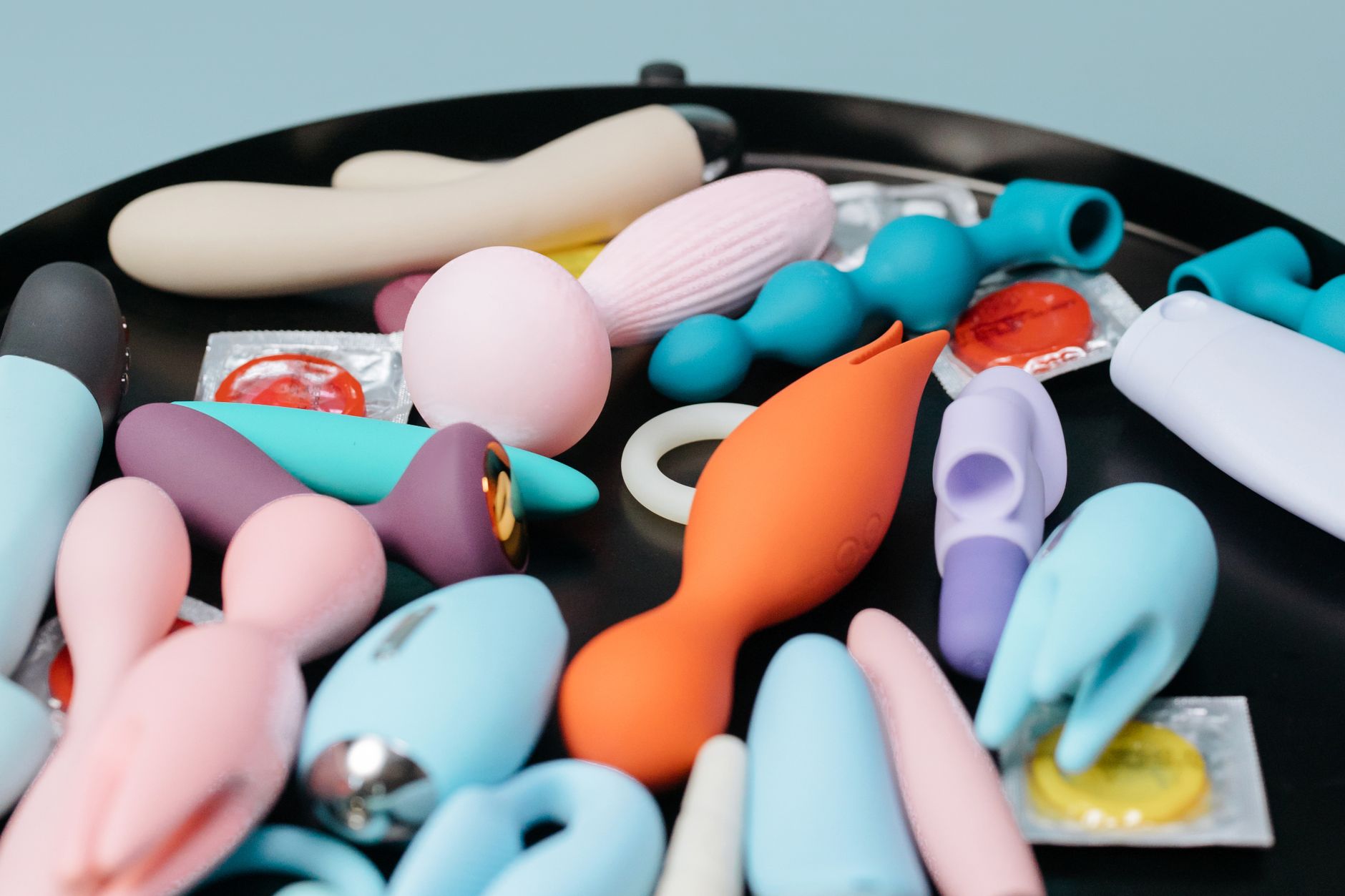
Photo by cottonbro studio on Pexels
How to actually use a lemon vibrator during this time
Start low. The Lem has multiple patterns and intensities. In grief, start at pattern one, lowest setting. Your nervous system is already stressed. You don't need to be blown away. You need to notice that sensation is available.
Set a time and stick with it. Ten or fifteen minutes, no more. Grief is exhausting. Your body needs rest. When you go in expecting twenty minutes and your mind shuts down at ten, you feel like you've failed. You haven't. You've just learned where you are right now.
Use water-based lubricant. Full stop. Grief often brings a shutdown of natural lubrication. This isn't a sign you're broken. Your body is protecting itself. Lubrication removes friction and signals safety to your nervous system. It works.
Don't chase the orgasm. Seriously. When you're in grief, an orgasm can feel jarring. Cruel, even. Some people describe it as shattering a carefully built wall of numbness. Your job isn't to come. Your job is to notice sensation. If an orgasm arrives, that's a bonus. If it doesn't, you've still reconnected with your body. That's the win.
Stop if you feel disconnected. Dissociation during grief is real. If you notice you're numb, watching yourself from outside your body, or feeling panicky, stop. Your nervous system is telling you something. This isn't weakness. This is important information. Put the vibrator down. Feel the floor under your feet. Come back.
When to involve a partner
Honestly: not until you've spent solo time first. Your partner may feel helpless watching you grieve. They might push toward sex as a way to reconnect or to feel less powerless. That pressure, even if unspoken, makes this harder.
When you do bring them in, set explicit boundaries. "I want to try this together, but I need us to keep it to touch and a vibrator for now. No penetration." Clarity sounds awkward but it removes ambiguity. Your partner doesn't have to guess whether you're ready. You're telling them.
If your partner is grieving the same loss, this gets more complex. Two people in shutdown aren't going to jumpstart each other back to desire. You might need professional support to navigate that. A therapist who understands grief and sexuality can help you both feel less alone in the numbness.
The guilt part nobody talks about
You might feel wrong for wanting pleasure again. Like wanting sensation betrays the person you've lost. Like you're supposed to suffer longer as proof of how much they mattered.
Here's the truth: your body finding pleasure again is not infidelity to grief. It's not disrespect to the dead. It's actually a sign you're healing. Pleasure is available. Your nervous system is learning it's safe enough to feel good things. That's not wrong. That's resilience.
Some people need to hear that from a therapist, not a friend. If the guilt is intense, talking to someone trained in grief and sexuality is worth the investment. You're not trying to "get over it." You're learning to hold both grief and sensation at the same time.
FAQ: Grief and lemon vibrators
Can I use a clitoral vibrator if I'm in early grief?
Yes, but probably not yet. Early grief (first month to three months) is usually a time when your body wants shutdown and rest. You're not broken if a vibrator feels impossible. Waiting until you notice the first flicker of curiosity about sensation is actually the right timing. That flicker says your nervous system is starting to feel safer.
What if I feel nothing when I use a lemon vibrator during grief?
Nothing is normal. Numbness is grief doing its job. Don't panic and don't push harder. A higher setting or longer session won't unlock sensation that isn't ready yet. Your body will signal when it's ready. That signal often comes as curiosity, not as desire. Notice the difference.
Is it normal to feel sad or cry during sex after grief?
Completely normal. Pleasure and grief often live very close together during healing. You might start experiencing sensation, feel a wave of sadness that you can feel anything at all, and cry. That's not a sign you should stop. That's your nervous system releasing what it was holding. Breathe. Let your partner know what's happening. Keep going, or pause. Whatever feels right.
Can a partner help me reconnect with pleasure if we're both grieving?
Maybe, but carefully. If you're both in the thick of it, partner sex might feel performative or pressured. You're both already emotionally raw. Adding the vulnerability of sexual connection can help or backfire. Some couples find that solo time with a vibrator, then slowly introducing touch with a partner, helps. Others need individual therapy first. Talk to your partner about what you both need.
What if using a lemon vibrator brings up trauma as well as grief?
Then you need a trauma-informed therapist, ideally one who also understands sexuality. Grief and trauma can activate at the same time, especially if the loss was sudden or violent. A vibrator isn't a substitute for that kind of support. It's a tool you use alongside professional help, not instead of it.
How do I know when I'm ready to move to partnered sex again?
You'll feel it as curiosity, not as obligation. You'll notice you want your partner's hands on you, not just your own. You'll feel a texture of desire that's different from the early phases. You'll also be able to talk about it without shame. That conversation is the green light, not the physical sensation alone.
The longer view
Grief doesn't follow a timeline. Neither does the return to pleasure. You might feel like you're healing, then lose someone else and go back into shutdown. That's not failure. That's being human in a world where loss keeps happening.
What a lemon clitoral vibrator offers is a tool for reconnection when your nervous system is ready. Not forcing it. Not shaming yourself for the numbness. Just: here's a way to notice sensation again, slowly, on your terms.
Your body is going to know when it's safe for pleasure. Listen to it. The Lem will still be there when you are.