Let's talk about the part nobody prepares you for
Pelvic floor surgery stops your life for a while. Then you're supposed to just jump back in. Nobody explains the middle part, which is messier: when you're physically cleared but emotionally unsure, when your body feels foreign, when pleasure feels like it might derail recovery instead of support it.
Here's the thing. Sexual pleasure and pelvic floor healing aren't enemies. Done right, they're on the same team.
The timeline nobody gives you clearly
Most pelvic floor surgeries (whether that's repair, prolapse correction, or other procedures) follow a similar return-to-activity arc. Week one through four is tissue immobilization. Don't do anything that creates pressure or stimulation. Week five through eight, light walking and gentle movement start. But sexual activity, especially any kind of penetration or external stimulation, typically gets cleared somewhere between week eight and twelve, depending on the specific procedure and your surgeon's protocol.
That's the medical green light. The emotional and physical readiness is different.
Here's what I typically see: people get cleared at week ten and think it should feel the same as before surgery. It won't. Your tissue is still tender. Your pelvic floor muscles are still waking up. Your nervous system has been in protective mode for months. Expecting yourself to feel normal is like expecting to run a marathon after a six-week gym hiatus.
Why lemon vibrators work better for post-surgery recovery than traditional vibration
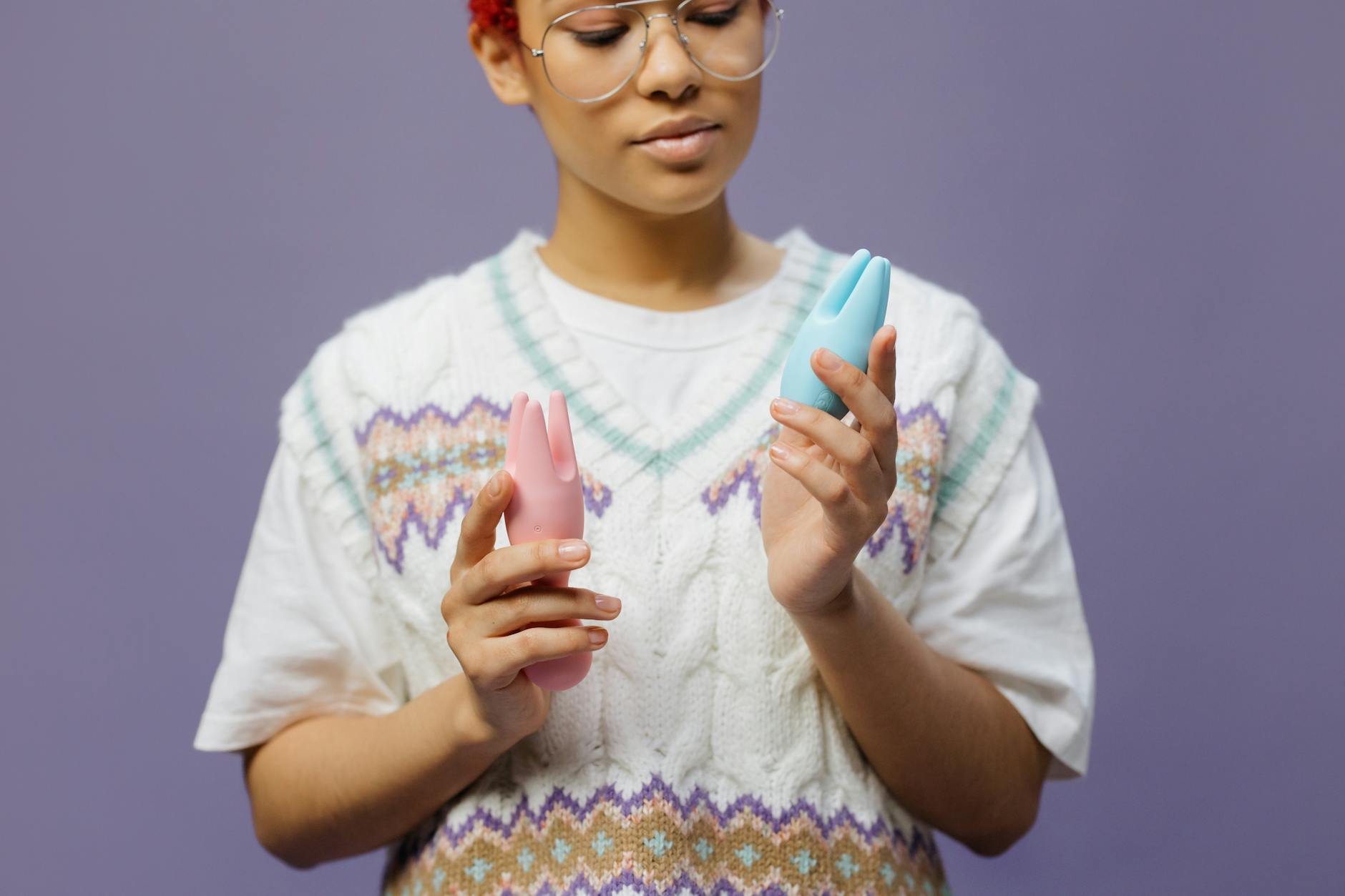
If you're going to restart with a toy, a lemon clitoral vibrator (suction-based stimulation like Hello Nancy's lemon suction toys) is genuinely better than traditional vibrators for post-surgery bodies. Here's why.
Traditional vibrators create mechanical friction. After pelvic floor surgery, tissue is still healing. Friction can trigger inflammation, discomfort, or even minor bleeding if you're not careful. It's not dangerous if you're mindful, but it's working against your recovery.
Lemon suction toys like the Lem work differently. Instead of grinding stimulation, they create gentle rhythmic suction that activates pleasure nerves without the friction component. The stimulation is broader, less intense per square millimeter, and doesn't require your tissues to absorb as much mechanical pressure. For post-surgery bodies, that's the difference between "this feels manageable" and "this feels like too much."
The other advantage: you control the intensity. Traditional vibrators are usually on or off, maybe with a few speed settings. Lemon vibrators have progressive intensity levels. You can start at pattern one (barely perceptible) and work up. Most post-surgery restarts happen at levels 2 or 3, nowhere near maximum.
When to actually start (and how to know you're ready)
Clear from your surgeon is the bare minimum, not the green light. Before you use any toy, internal or external, check yourself against these markers.
Physical readiness: No active pain with normal movement. That means walking without discomfort, sitting for an hour without tenderness, bearing down slightly without sharp pain. If you still have soreness when you cough or sneeze, you're probably not ready for stimulation yet.
Emotional readiness: You're curious instead of anxious. There's a difference between "I want to try this" and "I should be able to do this by now." One is genuine readiness. One is pressure. Only the first one matters.
Tissue healing: Check with your surgeon, but most protocols include an internal pelvic floor physical therapy exam around week 8. If that exam felt fine, external stimulation usually follows soon after. If there was tenderness or swelling, wait longer.
Wait until at least week nine post-surgery, even if your surgeon cleared you earlier. The tissue needs time to stop being active in the healing process. Pushing it too early can genuinely set back recovery.
Your first session with a lemon clitoral vibrator post-surgery
Honestly though, it won't feel the same as before, and that's normal.
Start with a full warm bath first. Heat relaxes the pelvic floor and increases blood flow to the area without direct stimulation. Spend 20 minutes in there. This primes the tissue and your nervous system.
Pad everything. Use a small towel under you. Keep water-based lube right there (silicone lube can trap warmth and bacteria; water-based is safer for healing tissue). You'll need more than usual. Healing tissue has less natural lubrication, and external stimulation can cause friction even when you're being careful.
Start at pattern one. Not "turn it on to the lowest setting I would normally use." Literally the lowest pulse. Spend five to ten minutes at that level. Your job is to notice what you're feeling, not to chase orgasm. Most post-surgery sessions don't reach climax, and that's fine. You're rehabbing your nervous system's connection to pleasure, not forcing an outcome.
If pattern one feels good, try pattern two for the second session (not the same session). Build across several sessions, maybe 4-5 over two weeks, before going higher. You're not being impatient. You're being smart about recovery.
Expect that sensation will feel different. The clitoris has thousands of nerve endings; some surgeries affect nerve pathways temporarily. Sensation might feel duller, sharper in specific areas, or distributed differently than before. This almost always normalizes by month three to five post-surgery, but in the meantime, meeting your body where it actually is beats fighting it.
What to watch for (and when to pause)
Stop immediately if you feel sharp pain, significant pressure, or bleeding. Light spotting is sometimes normal. Frank bleeding isn't. Put the toy away and contact your surgeon.
Soreness the next day that feels muscular (not sharp) is sometimes normal, especially if you've been immobilized. If it worsens over 24 hours or doesn't improve in 48 hours, that's a sign you did too much.
Increasing swelling, heat, or redness in the surgical area means infection or inflammation. Stop, call your surgeon.
Emotional resistance is worth honicing. If you find yourself dreading the session or feeling anxious beforehand, pause. Your nervous system is telling you something. That's not weakness. That's information. Push gently, but don't ignore it.
How to talk about this with a partner
If you're restarting with a partner involved, separate conversations help. "I'm cleared medically to restart sexual activity" is different from "I'm ready to have sex," which is different from "I want to use a lemon vibrator during sex." Don't mush them together.
Most partners want to know: (1) what's safe, (2) what doesn't feel good, and (3) whether their involvement is helpful or not. Those are answerable questions. "I'm scared" or "It doesn't feel right yet" are also answerable. What doesn't help is staying silent and hoping they read your mind.
Partners sometimes feel rejected during post-surgery recovery. It helps to say explicitly: "This isn't about you or attraction. My body is literally relearning how to do this." Reframe using a lemon vibrator not as replacement, but as a bridge back to partnered pleasure. That conversation matters as much as the physical restart.
The reality of month two and beyond
By week 12 post-surgery, most people are clearing higher intensity levels without discomfort. By month four, sensation usually normalizes. By month six, the surgery often feels like something that happened, not something that's still happening.
But that timeline is individual. Some people heal faster. Some need longer. Both are fine.
Here's what I've seen work: people who treat post-surgery pleasure restart as rehabilitation, not as a test they might fail. That means patience with your body, curiosity about what it can do now, and permission to stop when something doesn't feel right. A lemon clitoral vibrator is a tool. You're the expert on your own recovery.
If you have questions about your specific surgery or recovery timeline, your pelvic floor physical therapist is your best resource. They know what you had done and what tissue is healing. But if you're cleared, ready, and curious: your pleasure matters during recovery too. It's not frivolous. It's part of feeling like yourself again.
People also ask
Can I use a lemon vibrator three weeks after pelvic floor surgery?
No. Three weeks is still early in tissue healing. Most surgeons recommend waiting eight to twelve weeks before any external stimulation. Using a toy too early can cause bleeding, swelling, or inflammation that sets back your recovery. Even if your specific surgeon clears it earlier than week eight, external stimulation this soon is usually pushing it. Talk to your surgeon, but most will recommend waiting.
Will a lemon suction vibrator feel different after pelvic floor surgery?
Absolutely. Sensation often feels duller, sharper in specific spots, or distributed differently for several weeks post-surgery. This is temporary and usually normalizes by three to five months as nerve pathways heal. When you do restart, your lemon vibrator might feel less intense than you remember, and that's not because the toy changed. Your tissue and nervous system are still waking up. This normalizes.
Is it safe to reach orgasm after pelvic floor surgery with a lemon vibrator?
Organms involve pelvic floor muscle contractions, so technically they're doing work right after surgery. Most surgeons say wait until at least week eight or ten before even attempting one. Once you're further out (week ten to twelve), gentle orgasms with a tool like a lemon clitoral vibrator are generally safe if the rest of your body feels ready. Start with lower intensity patterns. If orgasm feels muscular but not painful, you're probably fine. If it causes sharp pain, pressure, or soreness afterward, you're not ready yet.
How long should my first post-surgery session with a clitoral vibrator last?
Start with 5 to 10 minutes at the lowest intensity level. You're not trying to achieve anything. You're checking in with your body and noticing sensation. Most early post-surgery sessions are short and exploratory. Extend the time gradually over several sessions as comfort increases. By week 12 or 14 post-surgery, people usually feel comfortable with 15 to 20-minute sessions. Listen to your body instead of watching the clock.
Do I need special lube for a lemon vibrator during post-surgery recovery?
Yes. Water-based lube only. Your healing tissue is more delicate and more prone to irritation. Silicone lube can trap warmth against your skin, which isn't ideal for recovery. You'll need more lube than you might normally use because post-surgery tissue produces less natural lubrication. Reapply as needed during your session. Keep it handy.
Can my partner use a lemon vibrator on me if I've had pelvic floor surgery?
Possibly, but start with solo sessions first. Partner involvement adds variables like pressure, pacing, and emotional load. Solo sessions with a lemon suction toy let you focus purely on what your body needs without coordinating with someone else's rhythm. Once you're comfortable at higher intensity levels solo, partner involvement becomes easier. Communication is key: tell your partner what intensity level you're at, what sensations feel good, and when to stop.
You deserve to feel good again
Pelvic floor surgery is the kind of recovery that's invisible to people around you but enormous to you. Clearing medical checkboxes is one thing. Feeling like yourself is another. Your pleasure isn't a luxury during recovery. It's part of remembering that your body is still capable, still worthy of attention, still yours.
A lemon clitoral vibrator can be part of that journey. Start slowly, listen carefully, and trust that healing and pleasure don't have to be separate projects. They can be the same one.
If you have lingering questions about restarting after surgery or navigating intimacy during recovery, reach out to us. We're here to help.