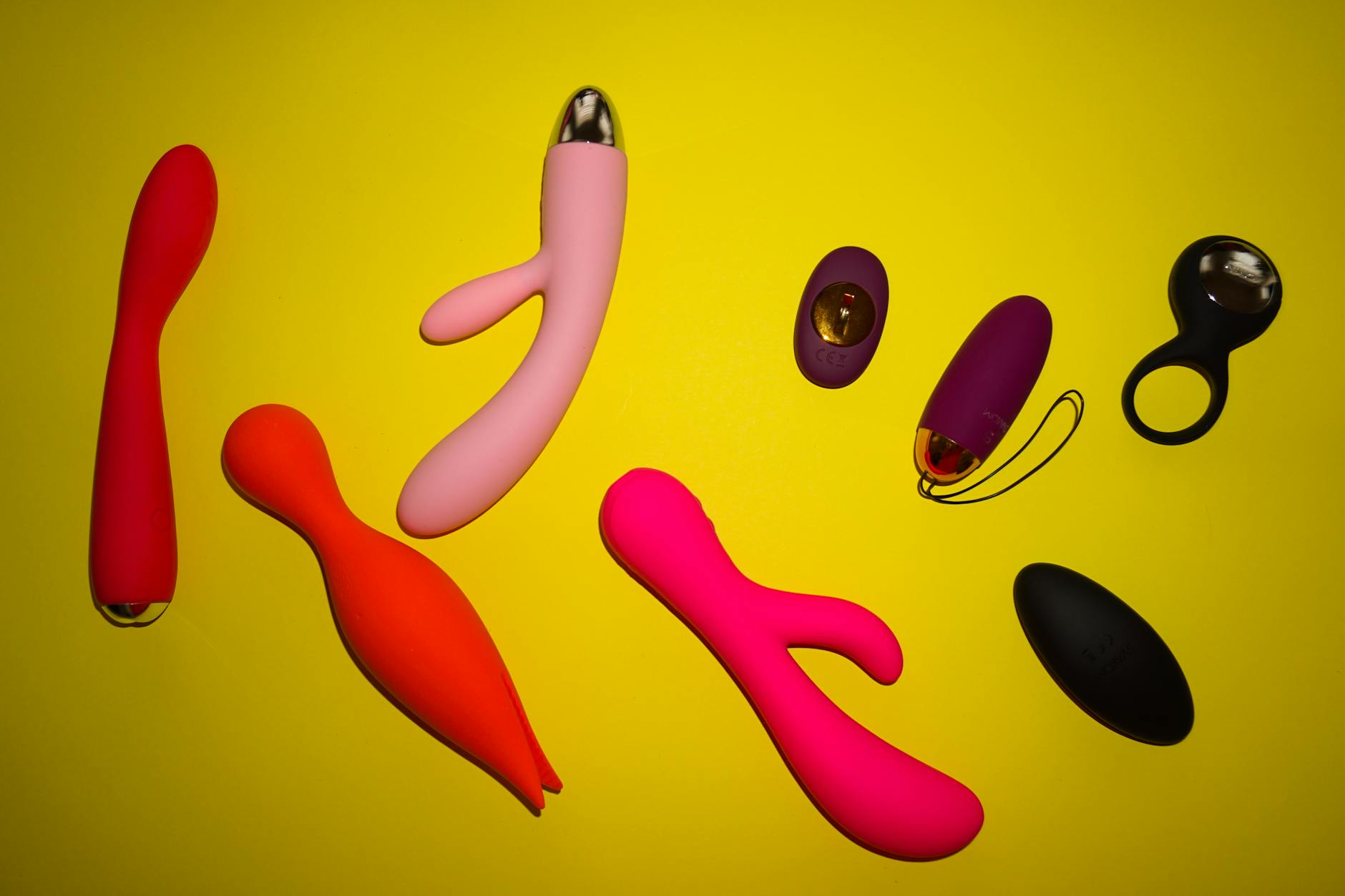
The antidepressant pleasure problem
Let's be real. SSRIs are lifesavers for mental health. They've pulled millions of people out of depression and anxiety spirals. But somewhere in the medical literature, between the black-box warnings and the efficacy rates, there's a quieter truth: antidepressants can flatten sexual sensation.
This isn't anecdotal. About 40 to 50 percent of people taking SSRIs experience some form of sexual dysfunction, and numbness or difficulty reaching orgasm tops that list. Your brain feels steadier, your mood lifts, and then you realize you can barely feel touch. It's a cruel trade-off, and it deserves a real solution, not a shrug from your doctor.
The good news: numbness from medication is different from numbness from low desire, trauma, or relationship strain. It's a specific neural problem with specific tools that work better than others. Clitoral vibrators, particularly lemon sucker-style toys with concentrated stimulation, can be the bridge that reconnects your body to sensation.
Why antidepressants numb sensation in the first place
SSRIs work by increasing serotonin in your brain. But serotonin doesn't just live upstairs. Your entire nervous system is wired with serotonin receptors, including the ones that register touch and pleasure.
When serotonin rises everywhere, the signal-to-noise ratio in your sensory system shifts. Touch that once felt electric now feels muted. Stimulation needs to be more intense, more sustained, or more specifically targeted to break through the numbness.
Here's the thing: this isn't your nerve endings failing. Your clitoris hasn't lost sensation. The signal is just harder for your brain to register. That's why generic vibration sometimes doesn't work. You need stimulation that cuts through the static.
Why lemon vibrators work better for medication-related numbness
Standard vibrators buzz. Lemon clitoral vibrators use suction. That's not just a marketing difference. Suction creates a pulling sensation that activates different nerve pathways than vibration alone.
When your serotonin-mediated numbness is muting pressure signals, suction can feel more distinct because it's not pure pressure. It's a rhythmic squeeze and release that engages both superficial and deeper nerve clusters.
Think of it this way: if vibration is like knocking on a door that sensation has stopped answering, suction is like ringing the doorbell, waiting, then knocking again. The rhythm plus the varied sensation is harder for a medicated nervous system to ignore.
Lemon sucker-style toys also let you control intensity in real time. You can start at the gentlest setting and layer sensation, which is crucial when you're unsure how much stimulation your body needs to wake up.
The staged approach to rebuilding sensation
Trying a clitoral vibrator when you're already numb can feel defeating if you expect instant fireworks. Here's a more realistic progression.
Week one: Touch mapping. Use your clitoral vibrator at the lowest setting, no expectations. Spend 10 to 15 minutes just noticing where you feel something. Not looking for orgasm. Just: where does the sensation register? Is it the inner labia? The hood? The side? Your map matters.
Week two: Timed sessions. Extend to 20 to 25 minutes. Stay at a low setting and notice whether sensation increases over time as blood flow builds. Many people find that numbness is worst in the first 10 minutes and improves with patience.
Week three: Pattern layering. If your toy has multiple patterns, move between them. Alternate between suction and gentle pulsing. The variation itself can wake up nerve endings that have gotten used to a single stimulus.
Week four and beyond: Integration. Try a clitoral vibrator during partnered sex or as foreplay. Some people find that combining lemon vibrator stimulation with penetration, or with hand contact from a partner, creates enough total sensory input to push past the numbness.
Settings that actually work for medication numbness
When you're using a lemon vibrator, pattern matters more than power.
If your toy has settings, start with the pulsing or intermittent patterns rather than continuous modes. Constant vibration can feel numbing itself when your nervous system is already dampened. A rhythm with breaks gives your sensory nerves a chance to reset between stimulations.
Increasing intensity slowly across a session is more effective than jumping straight to high. Start at setting one or two and gradually move up over 20 minutes. This allows blood flow to build and sensation to layer. You're teaching your nervous system to pay attention again.
Many people also find that moving the toy slightly, rather than holding it static, helps. Even a small shift in angle or position engages different nerve clusters. The lemon's design actually supports this because the head is compact enough to move precisely without losing contact.
What to tell your doctor (and what probably won't help)
If sexual numbness is severe, talk to your prescriber. That's not drama. Sexual function matters, and there are real options.
Some doctors suggest lowering your dose, but that's risky if the medication is working for your mental health. Others propose switching to an antidepressant with fewer sexual side effects, like bupropion. That's worth exploring, but it takes weeks to transition and isn't right for everyone.
Don't expect them to suggest a vibrator, even though it's probably the most effective immediate tool. That's just not part of most doctors' training. But you can bring the problem to the conversation: "The numbness is affecting my quality of life. What options do we have?"
In the meantime, a lemon clitoral vibrator isn't a medical intervention. It's a practical tool that works with your body's current sensitivity threshold while you're figuring out the medication piece.
The patience factor
Recovering sensation from antidepressant numbness isn't instant. Some people feel a shift within a few weeks of consistent exploration. Others take two or three months. A few find that sensation comes back gradually as their body adjusts to the medication, independent of tools.
The mistake most people make is trying once, feeling nothing, and concluding it won't work. Numbness from medication is stubborn specifically because your nervous system has adapted. It needs sustained, varied stimulation to remember how to register pleasure.
One session with a lemon vibrator isn't a test. Twenty sessions with patience and curiosity is closer to the real experiment.
When to consider partnered exploration
If you have a partner, they can be part of the solution. Not in a performance sense, but in the sensory sense.
Partnered touch registers differently in your nervous system than solo touch. Hand stimulation from someone else can activate different nerve pathways. Some people find that combining manual touch from a partner with lemon vibrator suction creates enough sensory complexity to push past medication-related numbness.
The conversation is simple: "My antidepressant has made it harder to feel sensation. I want to explore this together, with no pressure to reach a specific outcome. Can we try some things?" If your partner is willing, their hands plus your clitoral vibrator is actually one of the most effective combinations for rebuilding sensation.
FAQ
Can I use a clitoral vibrator every day if I'm trying to rebuild sensation?
Yes, but with strategy. Daily use can help if you're truly exploring sensation rather than chasing an outcome. Once or twice daily for 15 to 20 minutes is reasonable. If daily feels like pressure or obligation, pull back. Forced pleasure defeats the purpose.
Does the type of lemon vibrator matter if I have antidepressant numbness?
It does somewhat. Suction-based designs activate different nerves than vibration alone, which is why lemon-style clitoral vibrators often work better for medication-related numbness. Patterns that pulse rather than run continuously are also more effective because your nervous system gets a rhythm to track. Start there before investing in multiple toys.
How long before I notice a difference?
Some people feel a shift in sensation within a few weeks of consistent use. Others take two to three months. The real variable is how long you've been on the medication and how completely the numbness set in. Patience is the active ingredient here.
Should I stop taking my antidepressant if the sexual side effects are too severe?
Absolutely not without talking to your prescriber first. Depression and anxiety are serious, and medication keeps you safe. The conversation with your doctor should be about finding a medication or dosage that works for both your mental health and your sexual function. That's possible in many cases, but it requires professional input.
What if a clitoral vibrator doesn't help?
If after consistent use over two to three months you're still completely numb, that's worth bringing back to your doctor. You might genuinely need a different medication. You might also benefit from a sex therapist who specializes in medication-related dysfunction. There are tools beyond vibrators, and you don't have to accept permanent numbness as the trade-off for mental health.
Can I use a lemon vibrator while I'm on antidepressants and also working with a therapist?
Completely. In fact, that's often the most effective approach. Therapy addresses any psychological or relationship factors affecting pleasure. A lemon vibrator addresses the mechanical, sensory piece. The medication keeps your mental health stable while you're doing both. They're not in competition.
The bottom line
Antidepressant numbness is real, it sucks, and it's not something you have to accept as permanent. Your sensory system didn't break. It adapted to chemistry. Lemon clitoral vibrators work better than many alternatives for this specific problem because suction-based stimulation activates nerve pathways that plain vibration misses.
Start with low expectations and genuine curiosity. Give it time. Talk to your doctor. And remember that rebuilding sensation isn't about reaching some spectacular orgasm. It's about feeling alive in your own skin again. That's worth the patience.